


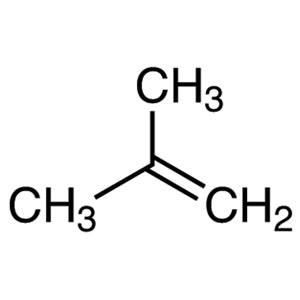

Isobutene is a chemical compound widely used in various synthetic chemical reactions. It is a key reagent in organic chemistry due to its unique molecular structure, which features a single carbon-carbon double bond. This structure allows it to participate in addition and substitution reactions, making it a versatile component in laboratory settings. In the lab, Isobutene serves as a foundational building block for the synthesis of organic compounds, including polymers and industrial chemicals. Its utility spans across multiple research areas, supporting both academic and industrial applications.
The properties of Isobutene make it a preferred choice for many laboratory applications. It is non-polar and highly volatile, which allows it to be used in reactions that require mild conditions and minimal reactivity. Its solubility in hexane provides a stable and consistent solution for chemical processes. The approximately 9% concentration in hexane ensures that the compound remains effective without being overly concentrated, offering a balance between reactivity and usability. These characteristics make it ideal for controlled environments where precise chemical behavior is essential.
In Indonesian laboratories, Isobutene is commonly used in chemical research, including the synthesis of organic compounds, polymer development, and chemical quality testing. It is also relevant in educational settings, supporting hands-on learning in chemistry courses. Its availability and reliability make it a staple in both academic and industrial research environments across Indonesia.
Related TCI products
- TCI I0909 115-11-7 Isobutene (ca. 8% in Dichloromethane)
- TCI I0910 115-11-7 Isobutene (ca. 10% in Isopropyl Ether)
- TCI I0911 115-11-7 Isobutene (ca. 15% in Tetrahydrofuran)
- TCI I1082 115-11-7 Isobutene (ca. 6% in Toluene)
- TCI B4410 106-98-9 1-Butene (ca. 10% in Hexane)
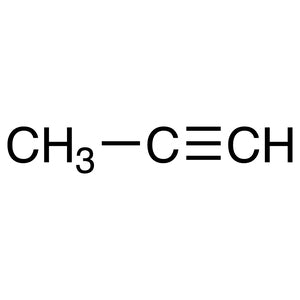
- TCI P3067 74-99-7 Propyne (ca 2% in Hexane, ca 03 mol/L)
- Organic synthesis reactions benefit from Isobutene's ability to participate in addition and substitution processes, enabling the creation of complex organic molecules.
- Polymer development relies on Isobutene as a building block for producing various types of synthetic polymers used in industrial applications.
- Chemical quality testing uses Isobutene to assess the purity and reactivity of other compounds in controlled environments.
- Atmospheric control processes utilize Isobutene due to its volatility, allowing precise manipulation of chemical environments in closed systems.
- Educational laboratories incorporate Isobutene to demonstrate fundamental chemical reactions and properties to students in chemistry courses.
| Brand | TCI |
|---|---|
| CAS number | 115-11-7 |
| Molecular formula | — |
| Purity | — |
| Category | Chemistry > Synthetic Reagents > Specialty Gases [Synthetic Reagents] |
| Pack sizes | — |
| Physical form | Liquid in hexane solution |
| Storage | Store in a cool, dark place away from heat and direct sunlight |
Isobutene should be stored in a cool, dark location, away from heat and direct sunlight to maintain its stability and prevent degradation. It is recommended to use sealed containers made of materials compatible with organic solvents to avoid contamination and evaporation. Due to its volatility, it is essential to handle Isobutene in a well-ventilated area or fume hood to ensure safe working conditions. Always wear appropriate personal protective equipment, such as gloves and safety goggles, when handling this compound. Proper storage and handling are crucial to maintaining the integrity of the product and ensuring the safety of laboratory personnel.
—
Produk Terkait
-
Isobutene(ca.8%inDichloromethane) TCI I0909
Regular price From Rp 1.060.500,00Regular price -
Isobutene(ca.10%inIsopropylEther) TCI I0910
Regular price From Rp 848.400,00Regular price -
Isobutene(ca.15%inTetrahydrofuran) TCI I0911
Regular price From Rp 903.000,00Regular price -
Isobutene(ca.6%inToluene) TCI I1082
Regular price From Rp 823.200,00Regular price -
1-Butene(ca.10%inHexane) TCI B4410
Regular price From Rp 955.500,00Regular price -
Propyne(ca2%inHexane,ca03mol/L) TCI P3067
Regular price From Rp 1.087.800,00Regular price -
tert-Butyl6-Oxa-3-azabicyclo[3.1.0]hexane-3-carboxylate TCI B5385
Regular price From Rp 689.850,00Regular price -
1,6-Bis(acryloyloxy)hexane(stabilizedwithMEHQ) TCI B2936
Regular price From Rp 505.050,00Regular price



![114214-49-2 tert-Butyl 6-Oxa-3-azabicyclo[3.1.0]hexane-3-carboxylate - AMI Scientific](http://amiscientific.com/cdn/shop/files/TCI2510B5385_5494a0f2-ca27-4c7c-b2aa-345805a88f08.jpg?v=1767861794&width=533)
