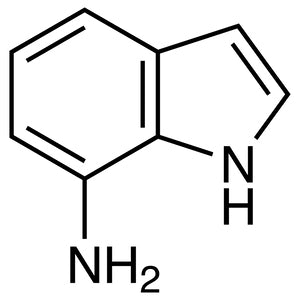
1-(1H-Indol-1-yl)ethanone is a chemical compound widely used in organic synthesis reactions. It serves as a key building block in the development of complex heterocyclic compounds, making it essential for researchers in chemical laboratories. This compound is commonly found in synthetic pathways where structural diversity and functional group versatility are required. Its role extends beyond mere reactivity, as it provides a foundation for the creation of more intricate molecular architectures.
The compound’s unique structure, featuring an indole ring, contributes to its stability and reactivity. These properties make it highly desirable for a variety of chemical transformations, including acylation, coupling reactions, and substitution processes. Its ability to interact with multiple reagents enhances its utility in synthetic chemistry. The indole core also offers a platform for further modification, enabling the design of compounds with tailored biological activities.
In Indonesian laboratories, 1-(1H-Indol-1-yl)ethanone is a popular choice for both organic chemistry and pharmacological research. Its availability and chemical properties make it a go-to material for developing new compounds with potential therapeutic applications. Researchers in Indonesia frequently use this compound to explore novel synthetic strategies and biological interactions.
Related TCI products
- TCI A3255 1021426-42-5 1-[4-(4-Amino-3-methoxyphenyl)piperazin-1-yl]ethanone
- TCI T4294 63666-10-4 3-(1,1,2-Trimethyl-1H-benzo[e]indol-3-ium-3-yl)propane-1-sulfonate
- TCI T4291 63149-24-6 4-(1,1,2-Trimethyl-1H-benzo[e]indol-3-ium-3-yl)butane-1-sulfonate
- TCI T2376 35308-68-0 1,5,6,7-Tetrahydro-2-methyl-4H-indol-4-one
- TCI T1435 13754-86-4 1,5,6,7-Tetrahydro-4H-indol-4-one
- TCI B3023 130-00-7 Benzo[cd]indol-2(1H)-one
- Organic synthesis applications benefit from this compound's structural versatility, allowing for the construction of complex heterocyclic frameworks.
- Pharmacological research utilizes it to explore interactions with biological targets, aiding in drug discovery and development.
- Heterocyclic compound synthesis relies on its ability to participate in various chemical reactions, enhancing molecular diversity.
- Academic research institutions use it as a fundamental building block for teaching and experimental purposes.
- Industrial chemical development incorporates it for the creation of specialized compounds with specific functional properties.
| Brand | TCI |
|---|---|
| CAS number | 576-15-8 |
| Molecular formula | — |
| Purity | — |
| Category | Chemistry > Building Blocks > Heterocyclic Building Blocks |
| Pack sizes | Available in various quantities as per standard chemical supply practices |
| Physical form | Solid or liquid, depending on the specific product formulation |
| Storage | Store in a cool, dry place away from direct sunlight and incompatible materials |
This compound should be stored in a cool, dry environment to maintain its chemical integrity. It is recommended to use airtight containers to prevent exposure to moisture and air, which could lead to degradation. Proper labeling of storage containers is essential for safety and traceability. Laboratory personnel should wear appropriate personal protective equipment when handling this material. It should be kept away from incompatible substances such as strong oxidizers. Regular monitoring of storage conditions ensures the compound remains stable and suitable for use in research applications.
—
Produk Terkait
-
1-[4-(4-Amino-3-methoxyphenyl)piperazin-1-yl]ethanone TCI A3255
Regular price From Rp 1.193.850,00Regular price -
3-(1,1,2-Trimethyl-1H-benzo[e]indol-3-ium-3-yl)propane-1-sulfonate TCI T4294
Regular price From Rp 505.050,00Regular price -
4-(1,1,2-Trimethyl-1H-benzo[e]indol-3-ium-3-yl)butane-1-sulfonate TCI T4291
Regular price From Rp 505.050,00Regular price -
1,5,6,7-Tetrahydro-2-methyl-4H-indol-4-one TCI T2376
Regular price From Rp 1.405.950,00Regular price -
1,5,6,7-Tetrahydro-4H-indol-4-one TCI T1435
Regular price From Rp 769.650,00Regular price -
Benzo[cd]indol-2(1H)-one TCI B3023
Regular price From Rp 743.400,00Regular price -
1H-Indol-7-amine TCI A3517
Regular price From Rp 3.232.950,00Regular price -
2-(1H-Indol-3-yl)-2-oxoaceticAcid TCI I1306
Regular price From Rp 1.035.300,00Regular price
![1021426-42-5 1-[4-(4-Amino-3-methoxyphenyl)piperazin-1-yl]ethanone - AMI Scientific](http://amiscientific.com/cdn/shop/files/TCI2510A3255.jpg?v=1768358872&width=533)
![63666-10-4 3-(1,1,2-Trimethyl-1H-benzo[e]indol-3-ium-3-yl)propane-1-sulfonate - AMI Scientific](http://amiscientific.com/cdn/shop/files/TCI2510T4294.jpg?v=1767145030&width=533)
![63149-24-6 4-(1,1,2-Trimethyl-1H-benzo[e]indol-3-ium-3-yl)butane-1-sulfonate - AMI Scientific](http://amiscientific.com/cdn/shop/files/TCI2510T4291.jpg?v=1767145022&width=533)


![130-00-7 Benzo[cd]indol-2(1H)-one - AMI Scientific](http://amiscientific.com/cdn/shop/files/TCI2510B3023_272de0fc-eeab-4cf4-9095-3bc195e62a91.jpg?v=1767339999&width=533)