1-[4-(4-Amino-3-methoxyphenyl)piperazin-1-yl]ethanone is a versatile chemical compound widely used in laboratory settings for the synthesis of complex molecules. As a building block in organic chemistry, it plays a crucial role in the development of new compounds with specific biological activities. Its unique structure allows it to participate in various chemical reactions, making it an essential tool for researchers working in pharmaceutical and industrial chemistry. This compound is particularly valuable for its ability to form heterocyclic structures, which are common in many bioactive molecules.
The compound's reactivity and functional groups—such as the amino and methoxy groups—make it a preferred choice for synthetic chemists. These groups enable it to interact with a wide range of chemical functionalities, facilitating the construction of more complex molecular architectures. Its stability under controlled laboratory conditions further enhances its usability, allowing for precise and reproducible results. The presence of piperazine in its structure adds to its versatility, as it can serve as a scaffold for further modifications and derivatization.
In Indonesian laboratories, this compound is commonly used in research related to medicinal chemistry, pharmaceutical development, and biochemistry. It is a key component in the synthesis of compounds with potential therapeutic applications. Academic and research institutions in Indonesia rely on this material to advance their studies and contribute to the development of new chemical entities. Its availability and reliability make it a staple in both educational and industrial research environments.
Related TCI products
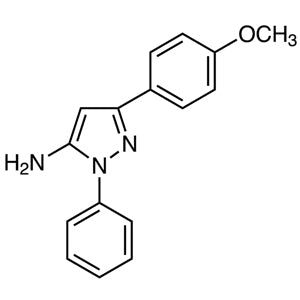
- TCI A3055 19652-13-2 5-Amino-3-(4-methoxyphenyl)-1-phenylpyrazole
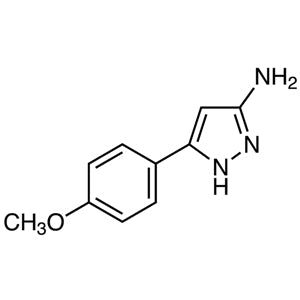
- TCI A2953 19541-95-8 3-Amino-5-(4-methoxyphenyl)pyrazole
- TCI P2910 34803-68-4 2-(Piperazin-1-yl)pyrazine
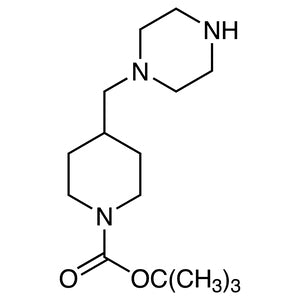
- TCI D5966 381722-48-1 tert-Butyl 4-(Piperazin-1-ylmethyl)piperidine-1-carboxylate
- TCI C3850 59878-57-8 Cyclopropyl(piperazin-1-yl)methanone
- TCI I1249 576-15-8 1-(1H-Indol-1-yl)ethanone
- Organic synthesis applications benefit from this compound's ability to form heterocyclic structures, enabling the creation of complex molecules with biological activity.
- Pharmaceutical research utilizes it as a building block for the development of new drugs, particularly those targeting specific biological pathways.
- Biochemical studies leverage its reactivity to modify molecular structures, aiding in the investigation of enzyme interactions and metabolic processes.
- Industrial chemical synthesis incorporates it for the production of specialty chemicals, where precise molecular control is essential.
- Academic research relies on its versatility to explore new synthetic routes and chemical transformations in both undergraduate and graduate studies.
| Brand | TCI |
|---|---|
| CAS number | 1021426-42-5 |
| Molecular formula | — |
| Purity | — |
| Category | Chemistry > Building Blocks > Heterocyclic Building Blocks |
| Pack sizes | Available in various quantities as per supplier specifications |
| Physical form | Solid, crystalline appearance |
| Storage | Store in a cool, dry place away from light and moisture |
This compound should be stored in a cool, dry environment, away from direct sunlight and sources of heat. It is recommended to use airtight containers to prevent moisture absorption and maintain its chemical integrity. Due to its reactivity, it should be handled in a well-ventilated area, ideally under a fume hood, to minimize exposure. Proper personal protective equipment, such as gloves and safety goggles, should be worn when handling the material. Avoid contact with incompatible substances, and ensure that storage conditions are consistent with standard laboratory safety protocols. Regular monitoring of storage conditions is advised to ensure the compound remains stable and suitable for use in research applications.
—
Produk Terkait
-
5-Amino-3-(4-methoxyphenyl)-1-phenylpyrazole TCI A3055
Regular price From Rp 1.140.300,00Regular priceRp 812.700,00Sale price From Rp 1.140.300,00 -
3-Amino-5-(4-methoxyphenyl)pyrazole TCI A2953
Regular price From Rp 1.113.000,00Regular priceRp 793.800,00Sale price From Rp 1.113.000,00 -
2-(Piperazin-1-yl)pyrazine TCI P2910
Regular price From Rp 1.988.700,00Regular priceRp 1.405.950,00Sale price From Rp 1.988.700,00 -
tert-Butyl4-(Piperazin-1-ylmethyl)piperidine-1-carboxylate TCI D5966
Regular price From Rp 1.563.450,00Regular priceRp 1.108.800,00Sale price From Rp 1.563.450,00 -
Cyclopropyl(piperazin-1-yl)methanone TCI C3850
Regular price From Rp 955.500,00Regular priceRp 683.550,00Sale price From Rp 955.500,00 -
1-(1H-Indol-1-yl)ethanone TCI I1249
Regular price From Rp 2.782.500,00Regular priceRp 1.961.400,00Sale price From Rp 2.782.500,00 -
N,N,N',N'-Tetrakis(4-methoxyphenyl)-9H-carbazole-3,6-diamine TCI T3642
Regular price From Rp 9.778.650,00Regular priceRp 6.853.350,00Sale price From Rp 9.778.650,00 -
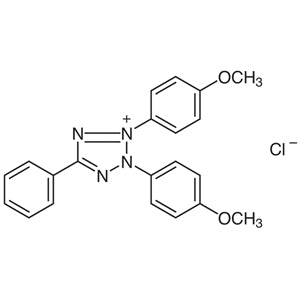
2,3-Bis(4-methoxyphenyl)-5-phenyltetrazoliumChloride TCI B1056
Regular price Rp 6.651.750,00Regular priceRp 4.667.250,00Sale price Rp 6.651.750,00