2-(Piperazin-1-yl)pyrazine from TCI (product code P2910, CAS 34803-68-4) is a heterocyclic compound that joins an aromatic pyrazine ring to a saturated piperazine ring. The two rings are linked through one of the piperazine nitrogen atoms. The other nitrogen stays free as a secondary amine. In the laboratory, this compound is a heterocyclic building block widely used in medicinal chemistry. Arylpiperazine and heteroarylpiperazine motifs often appear in molecules designed to interact with central nervous system receptors and many other biological targets.
Chemists choose this compound because it has one clear reactive site: the free NH nitrogen on the piperazine ring. This nitrogen can be acylated, alkylated or sulfonylated, or used in reductive amination, with no extra protection step needed. The pyrazine ring is electron-poor and has two nitrogen atoms that can act as hydrogen-bond acceptors. These nitrogens affect the molecule's solubility and basicity, and how it interacts with biological targets. Together, these features make the compound a practical way to add a heteroarylpiperazine fragment to a target molecule in a single synthetic step.
In Indonesian laboratories, this building block is mainly used in university organic and medicinal chemistry research groups, pharmaceutical research and development units, and contract synthesis laboratories. Researchers use it to prepare compound series for structure–activity relationship studies, where the piperazine nitrogen is the attachment point for different substituents. It also suits student research projects and thesis work focused on heterocyclic synthesis, where a reliable starting material with a single, predictable reactive site helps keep synthetic routes short and easy to follow.
Related TCI products
- TCI A3255 1021426-42-5 1-[4-(4-Amino-3-methoxyphenyl)piperazin-1-yl]ethanone
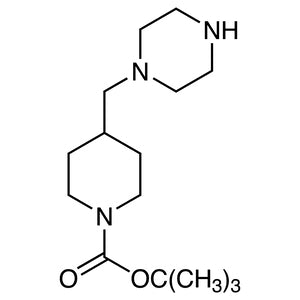
- TCI D5966 381722-48-1 tert-Butyl 4-(Piperazin-1-ylmethyl)piperidine-1-carboxylate
- TCI C3850 59878-57-8 Cyclopropyl(piperazin-1-yl)methanone
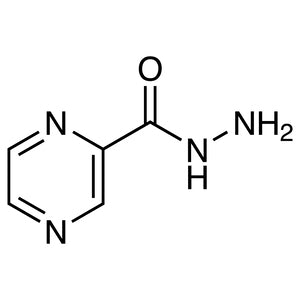
- TCI P2961 768-05-8 Pyrazine-2-carbohydrazide
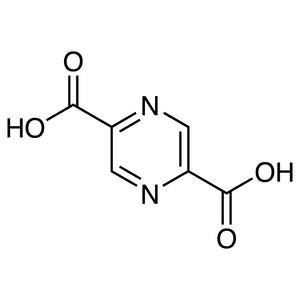
- TCI P2932 122-05-4 Pyrazine-2,5-dicarboxylic Acid
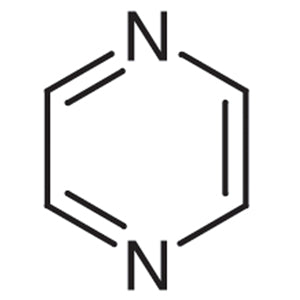
- TCI P0544 290-37-9 Pyrazine
- Medicinal chemistry library synthesis: the free secondary amine allows quick attachment of many acyl, alkyl or sulfonyl groups, which makes building analogue series efficient.
- Amide and sulfonamide formation: the NH nitrogen reacts directly with acid chlorides, activated acids or sulfonyl chlorides without a protection step, which keeps synthetic routes short.
- Reductive amination reactions: the secondary amine of the piperazine ring can be coupled with aldehydes or ketones to add new substituents in a single, controlled step.
- Structure–activity relationship studies: the electron-poor pyrazine ring with two hydrogen-bond-accepting nitrogens changes solubility, basicity and target interaction, which helps researchers study how properties change across a series.
- Central nervous system target research: heteroarylpiperazine motifs are common in molecules designed for central nervous system receptors, so this compound is a relevant starting fragment for that work.
| Brand | TCI (product code P2910) |
|---|---|
| CAS number | 34803-68-4 |
| Molecular formula | — |
| Purity | — |
| Category | Chemistry > Building Blocks > Heterocyclic Building Blocks |
| Pack sizes | please check the product page or contact AMI Scientific for available pack sizes |
| Physical form | see the TCI specification sheet and Certificate of Analysis |
| Storage | follow the storage conditions on the TCI label and Safety Data Sheet |
Store 2-(Piperazin-1-yl)pyrazine in its original, tightly closed container in a cool, dry, well-ventilated area, away from direct sunlight, heat sources and incompatible substances such as strong oxidizing agents and acids. Close the container promptly after each use to keep out moisture and air. Handle the compound in a fume hood or another well-ventilated area, wearing suitable personal protective equipment: safety glasses, chemical-resistant gloves and a laboratory coat. Avoid breathing dust or vapour, and avoid contact with skin and eyes. Read the TCI Safety Data Sheet before use for specific hazard, first-aid and disposal information, and dispose of waste according to local regulations.
—
Produk Terkait
-
1-[4-(4-Amino-3-methoxyphenyl)piperazin-1-yl]ethanone TCI A3255
Regular price From Rp 1.193.850,00Regular price -
tert-Butyl4-(Piperazin-1-ylmethyl)piperidine-1-carboxylate TCI D5966
Regular price From Rp 1.510.950,00Regular price -
Cyclopropyl(piperazin-1-yl)methanone TCI C3850
Regular price From Rp 903.000,00Regular price -
Pyrazine-2-carbohydrazide TCI P2961
Regular price Rp 1.724.100,00Regular price -
Pyrazine-2,5-dicarboxylicAcid TCI P2932
Regular price From Rp 1.326.150,00Regular price -
Pyrazine TCI P0544
Regular price From Rp 1.060.500,00Regular price -
(2-Mercaptoethyl)pyrazine TCI M1845
Regular price From Rp 1.670.550,00Regular price -
2-(Methylthio)pyrazine TCI M1821
Regular price Rp 584.850,00Regular price
![1021426-42-5 1-[4-(4-Amino-3-methoxyphenyl)piperazin-1-yl]ethanone - AMI Scientific](http://amiscientific.com/cdn/shop/files/TCI2510A3255.jpg?v=1768358872&width=533)