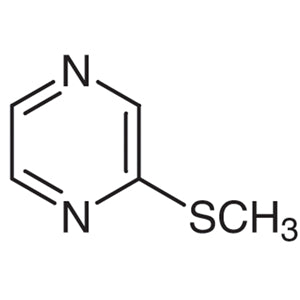
TCI M1821 2-(Methylthio)pyrazine is an aromatic heterocyclic compound built around a pyrazine ring carrying two nitrogen atoms in opposite positions, with a methylthio group attached at one of the ring positions. In the laboratory it is recognised both as a heterocyclic building block and as a distinctly flavour- and aroma-active compound that is widely studied in food chemistry research. Its role is fairly broad, ranging from a starting material for the synthesis of pyrazine derivatives through to a reference compound in the analysis of volatile components formed during heating processes and Maillard reactions in food materials.
The property that makes this compound a preferred choice is the dual role played by the methylthio group. On one hand, the sulfur atom imparts a very strong aroma character, so the compound is detectable at low concentrations in gas chromatographic analysis. On the other hand, the methylthio group can be oxidised to the corresponding sulfoxide or sulfone, which are converted into good leaving groups and thereby open a nucleophilic aromatic substitution route for installing amines, alkoxides, or other nucleophiles onto the pyrazine ring. The electron-poor pyrazine ring supports this reactivity, and the generally liquid form of the material makes volumetric handling straightforward.
In Indonesian laboratories, this compound is typically encountered in synthetic organic chemistry groups preparing pyrazine derivatives, and in food chemistry and flavour research units examining volatile compounds generated by thermal processing. It is handled at the bench scale in fume hoods, measured volumetrically for reaction set-up, and used as an identification reference when volatile profiles are worked up by gas chromatography. Academic, research institute, and industrial quality-control laboratories all make use of it in these contexts.
- Synthesis of pyrazine derivatives — serves as a heterocyclic starting material whose electron-poor ring and substitutable methylthio position allow systematic construction of a family of related structures.
- Nucleophilic aromatic substitution chemistry — after oxidation of the methylthio group to sulfoxide or sulfone, the resulting good leaving group permits clean installation of amines, alkoxides, or other nucleophiles.
- Volatile compound analysis by gas chromatography — the strong sulfur-derived aroma character makes the compound detectable at low concentrations, so it works well as an analytical reference substance.
- Maillard reaction and thermal processing studies — used as a reference compound when identifying the volatile components that develop in food materials during heating and browning reactions.
- Flavour and aroma research in food chemistry — its distinctly flavour-active character supports studies on how sulfur-containing pyrazines contribute to the sensory profile of processed foods.
| Brand | TCI |
|---|---|
| CAS number | 21948-70-9 |
| Molecular formula | — |
| Purity | — |
| Category | Chemistry > Building Blocks > Heterocyclic Building Blocks |
| Pack sizes | available in standard TCI research pack sizes; please confirm the currently listed options when ordering. |
| Physical form | generally supplied as a liquid. |
| Storage | keep in a tightly closed original container under the conditions stated on the product label and in the accompanying safety data sheet. |
Store the container tightly closed in a cool, dry, and well-ventilated area, away from heat sources, ignition sources, and incompatible materials, following the conditions given on the product label and in the safety data sheet. Keep the material in its original supplier container or in a chemically compatible sealed bottle; because the compound is strongly odorous, containers should be opened and dispensed inside a functioning fume hood to limit the escape of vapour into the laboratory. Wear a laboratory coat, safety glasses, and suitable chemical-resistant gloves during handling, transfer volumetrically with clean dry glassware, and close the container immediately after use. Label all secondary containers clearly, avoid spills on the open bench, and dispose of residues and contaminated materials through the laboratory's designated chemical waste channel rather than into the sink.
—
Produk Terkait
-
2-Ethyl-3-(methylthio)pyrazine TCI E0719
Regular price Rp 1.988.700,00Regular price -
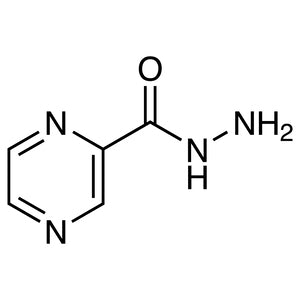
Pyrazine-2-carbohydrazide TCI P2961
Regular price Rp 1.724.100,00Regular price -
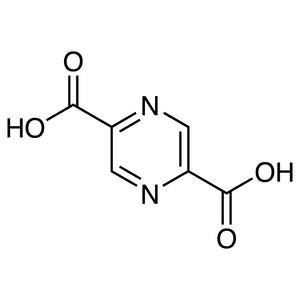
Pyrazine-2,5-dicarboxylicAcid TCI P2932
Regular price From Rp 1.326.150,00Regular price -
2-(Piperazin-1-yl)pyrazine TCI P2910
Regular price From Rp 1.936.200,00Regular price -
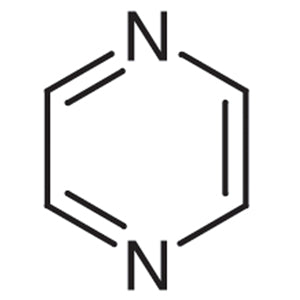
Pyrazine TCI P0544
Regular price From Rp 1.060.500,00Regular price -
(2-Mercaptoethyl)pyrazine TCI M1845
Regular price From Rp 1.670.550,00Regular price -
4,5-Bis(methylthio)-1,3-dithiole-2-thione TCI B1778
Regular price Rp 3.605.700,00Regular price -
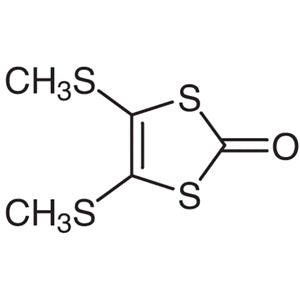
4,5-Bis(methylthio)-1,3-dithiol-2-one TCI B1777
Regular price Rp 3.155.250,00Regular price