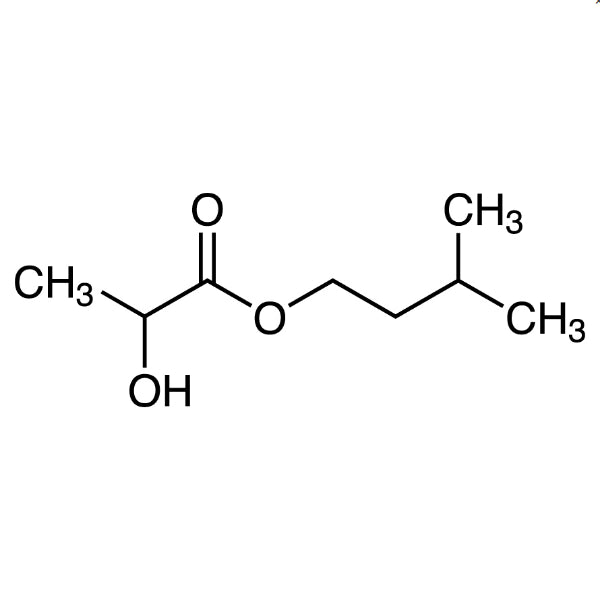
Isoamyl Lactate (TCI L0117), with CAS number 19329-89-6, is a chemical compound widely used in laboratory settings for its versatility in organic synthesis and ester-based chemical production. As a building block in chemistry, it plays a crucial role in the development of various organic compounds, particularly in the field of esterification reactions. Its molecular structure, composed of a hydrocarbon chain and an ester group, contributes to its chemical stability and moderate reactivity, making it a reliable reagent in controlled laboratory environments. This compound is commonly found in research laboratories across Indonesia, where it supports a wide range of chemical investigations and industrial applications.
The compound's non-polar nature and volatility make it ideal for applications requiring evaporation or controlled reaction conditions. These properties allow it to be easily manipulated in chemical processes, enhancing its utility in both academic and industrial research. Additionally, its non-corrosive nature and relative safety in proper handling make it a preferred choice for laboratory use. It is also environmentally friendly due to its non-toxicity and ease of disposal, aligning with sustainable laboratory practices. These characteristics ensure that Isoamyl Lactate remains a valuable resource in chemical research and development.
In Indonesian laboratories, Isoamyl Lactate is frequently used in organic chemistry research, especially in the synthesis of ester compounds and esterification reactions. It is a key reagent in the development of pharmaceuticals, cosmetics, and food additives. Its role in these industries highlights its importance in both academic and industrial settings, supporting innovation and product development across multiple sectors.
Related TCI products
- Organic synthesis is a primary application where Isoamyl Lactate is used to create ester derivatives due to its reactivity and stability.
- Esterification reactions benefit from its non-polar nature, allowing it to participate in reactions under controlled conditions.
- Pharmaceutical research utilizes this compound to develop compounds with specific functional groups that enhance drug efficacy.
- Cosmetic formulation relies on its volatility and non-corrosive properties, making it suitable for creating fragrance and texture components.
- Food additive development incorporates Isoamyl Lactate for its ability to contribute to flavor and aroma in edible products.
| Brand | TCI |
|---|---|
| CAS number | 19329-89-6 |
| Molecular formula | — |
| Purity | — |
| Category | Chemistry > Building Blocks > Non-Heterocyclic Building Blocks |
| Pack sizes | Available in various sizes as per supplier specifications |
| Physical form | Liquid |
| Storage | Store in a cool, dry place away from direct sunlight |
Isoamyl Lactate should be stored in a cool, dry location, away from direct sunlight and sources of heat. It is recommended to use sealed containers made of glass or high-density polyethylene to prevent evaporation and contamination. Due to its volatility, it is important to ensure proper ventilation in the laboratory when handling this compound. While it is non-corrosive and relatively safe, standard laboratory safety protocols should be followed, including the use of personal protective equipment such as gloves and safety goggles. Proper disposal methods should be implemented to maintain environmental safety and compliance with local regulations.
—
Produk Terkait
-
TetradecylLactate TCI T2231
Regular price Rp 848.400,00Regular price -
PropylLactate TCI L0121
Regular price Rp 2.545.200,00Regular price -
HexadecylLactate TCI H1159
Regular price From Rp 584.850,00Regular price -
Sodium3-(4-Hydroxy-3-methoxyphenyl)lactate TCI H0538
Regular price From Rp 3.392.550,00Regular price -
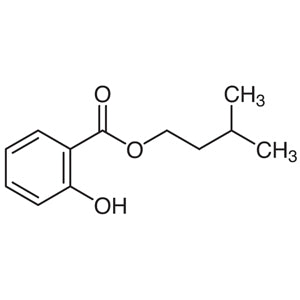
IsoamylSalicylate(contains2-MethylbutylSalicylate) TCI S0012
Regular price From Rp 505.050,00Regular price -
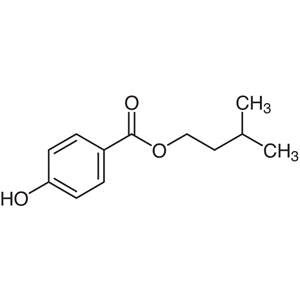
Isoamyl4-Hydroxybenzoate TCI H0214
Regular price From Rp 2.306.850,00Regular price -
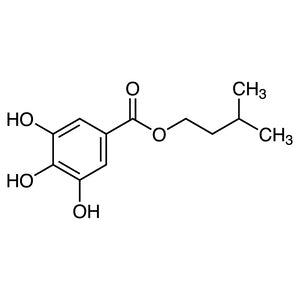
IsoamylGallate TCI G0012
Regular price From Rp 1.829.100,00Regular price -
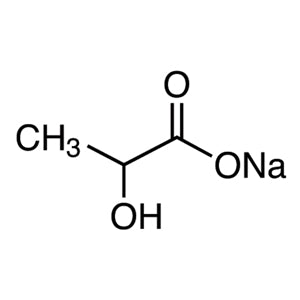
SodiumDL-Lactate(60%inWater) TCI S0928
Regular price Rp 823.200,00Regular price