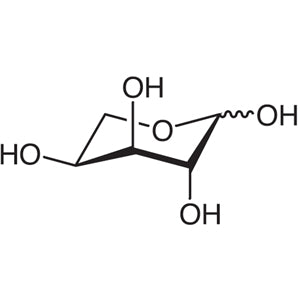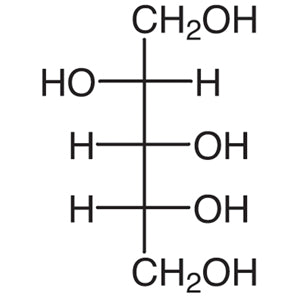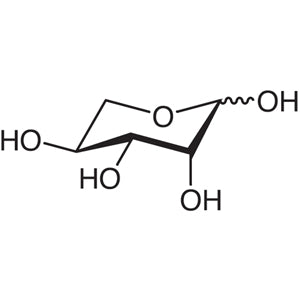
TCI L0153 1949-78-6 L-(+)-Lyxose is a carbohydrate compound widely used in chemical and biochemical experiments within laboratory settings. As a key component in glycoscience, it plays a crucial role in studying the structure and function of carbohydrate molecules. This compound is essential for various research applications, including enzyme and protein interactions, as well as the synthesis of complex chemical structures. Its presence in laboratory workflows supports both fundamental and applied research in multiple scientific disciplines.
The properties of L-(+)-Lyxose make it a preferred choice for researchers. It is water-soluble and has a stable melting point, ensuring consistent performance under different experimental conditions. Its high reactivity and specific molecular structure allow it to participate effectively in a wide range of chemical reactions. These characteristics make it suitable for use in both routine and specialized laboratory procedures. Additionally, its non-toxic nature and availability contribute to its widespread adoption in research environments.
In Indonesian laboratories, L-(+)-Lyxose is commonly used in biomedical, pharmacological, and organic chemistry research. It is particularly valuable in studies related to carbohydrate metabolism, drug development, and molecular interaction analysis. Its versatility and reliability make it a key reagent for scientists and researchers in Indonesia, supporting both academic and industrial research initiatives.
TCI brochures (PDF)
- Biomedical research utilizes L-(+)-Lyxose to study metabolic pathways and cellular responses to carbohydrate-based compounds.
- Pharmacological studies benefit from its role as a substrate in enzyme assays, aiding in drug mechanism and efficacy analysis.
- Organic chemistry experiments rely on its reactivity to synthesize complex molecules and test reaction conditions.
- Glycoscience research employs it to investigate carbohydrate structures and their functional roles in biological systems.
- Molecular interaction studies use it to explore binding affinities between carbohydrates and proteins or enzymes.
| Brand | TCI |
|---|---|
| CAS number | 1949-78-6 |
| Molecular formula | — |
| Purity | — |
| Category | Chemistry > Chemical Biology > Glycoscience |
| Pack sizes | Available in various quantities as per standard laboratory supply |
| Physical form | Solid crystalline powder |
| Storage | Store in a cool, dry place away from direct sunlight |
L-(+)-Lyxose should be stored in a cool, dry environment to maintain its stability and prevent degradation. It is recommended to keep it in a sealed container to avoid moisture absorption, which can affect its purity and reactivity. Due to its water solubility, it should be handled in a well-ventilated area to minimize exposure. Standard laboratory safety practices, such as wearing gloves and goggles, should be followed during handling. Avoid contact with incompatible substances and ensure proper disposal according to local regulations. Proper storage ensures the compound remains effective for use in various experimental applications.
—
Product Categories
Produk Terkait
-
D-(-)-Lyxose TCI L0073
Regular price From Rp 689.850,00Regular price -
D-(-)-Arabinose TCI A0513
Regular price From Rp 1.140.300,00Regular price -
L-(+)-Arabinose TCI A0515
Regular price From Rp 1.115.100,00Regular price -
D-(+)-Arabitol TCI A0516
Regular price Rp 717.150,00Regular price -
L-(-)-Arabitol TCI A0518
Regular price From Rp 557.550,00Regular price -
N-Acetyl-D-glucosamine TCI A0092
Regular price From Rp 928.200,00Regular price -
L-(-)-Xylose TCI X0021
Regular price From Rp 1.458.450,00Regular price -
D-(+)-Xylose TCI X0019
Regular price From Rp 452.550,00Regular price