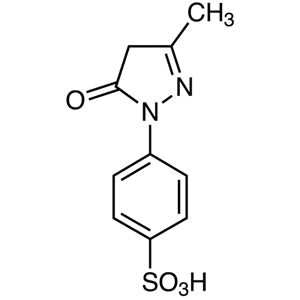
3-Methyl-1-(4-sulfophenyl)-2-pyrazolin-5-one is a versatile organic compound widely used in synthetic chemistry applications. As a heterocyclic building block, it plays a crucial role in the development of complex molecular structures. Its unique chemical structure, featuring a pyrazolin ring with a sulfonate group at the 4-position, makes it a valuable reagent in various organic transformations. This compound is commonly employed in research settings to facilitate reactions such as substitution, coupling, and structural modifications. Its stability and controlled reactivity make it a reliable choice for synthetic chemists seeking to create bioactive compounds.
The compound's sulfonate group imparts high polarity, enhancing its solubility in organic solvents and facilitating its interaction with a wide range of reagents. This property is particularly beneficial in synthetic processes that require efficient mixing and reaction conditions. Additionally, its solubility characteristics allow for straightforward purification and isolation of final products. These physical and chemical attributes contribute to its popularity among researchers working on drug development and industrial chemical synthesis.
In Indonesian laboratories, this compound is extensively used in organic chemistry research, especially in academic and research institutions. It is a key component in projects aimed at developing new compounds with potential applications in pharmaceuticals and specialty chemicals. Its availability and reliability make it a preferred choice for scientists engaged in synthetic chemistry and molecular design.
Related TCI products
- TCI A1034 4149-06-8 3-Amino-1-phenyl-2-pyrazolin-5-one
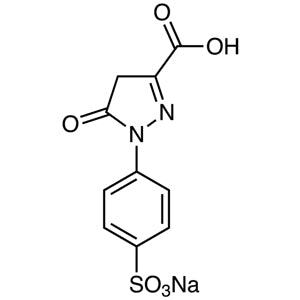
- TCI C0845 52126-51-9 3-Carboxy-1-(4-sulfophenyl)-5-pyrazolone Sodium Salt
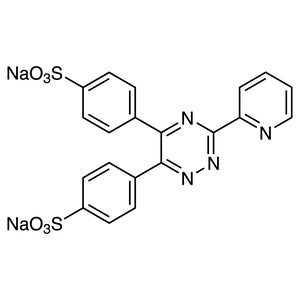
- TCI P0830 28048-33-1 3-(2-Pyridyl)-5,6-bis(4-sulfophenyl)-1,2,4-triazine Disodium Salt
- TCI D0604 23647-14-5 Trisodium 2-(4-Sulfophenylazo)-1,8-dihydroxynaphthalene-3,6-disulfonate
- Organic synthesis is a primary application where this compound serves as a key intermediate in the creation of complex molecules.
- Drug development projects often incorporate this compound due to its ability to participate in diverse chemical reactions.
- Industrial chemical synthesis benefits from its reactivity and stability, making it suitable for large-scale production processes.
- Structural modification studies rely on its heterocyclic framework to explore new molecular configurations.
- Research in bioactive compound design utilizes its functional groups for the synthesis of pharmaceutical intermediates.
| Brand | TCI |
|---|---|
| CAS number | 89-36-1 |
| Molecular formula | — |
| Purity | — |
| Category | Chemistry > Building Blocks > Heterocyclic Building Blocks |
| Pack sizes | Available in various quantities as per standard laboratory supply |
| Physical form | Solid |
| Storage | Store in a cool, dry place away from moisture and direct sunlight |
This compound should be stored in a cool, dry environment to maintain its chemical integrity. It is recommended to keep it in a sealed container to prevent exposure to moisture and air. Due to its polar nature, it is advisable to use glass or high-density polyethylene containers for storage. Laboratory personnel should handle the compound with care, using appropriate personal protective equipment when necessary. Proper ventilation should be ensured during handling to minimize any potential exposure. The compound is generally stable under standard laboratory conditions, provided it is stored correctly.
—
Produk Terkait
-
3-Amino-1-phenyl-2-pyrazolin-5-one TCI A1034
Regular price Rp 1.246.350,00Regular price -
3-Carboxy-1-(4-sulfophenyl)-5-pyrazoloneSodiumSalt TCI C0845
Regular price Rp 1.405.950,00Regular price -
3-(2-Pyridyl)-5,6-bis(4-sulfophenyl)-1,2,4-triazineDisodiumSalt TCI P0830
Regular price Rp 1.035.300,00Regular price -
Trisodium2-(4-Sulfophenylazo)-1,8-dihydroxynaphthalene-3,6-disulfonate TCI D0604
Regular price Rp 1.298.850,00Regular price