3-Methylcrotonic Acid is a chemical compound widely used in laboratory settings for the synthesis of complex molecules. It serves as a fundamental building block in organic chemistry, enabling the creation of both heterocyclic and non-heterocyclic compounds. This versatile reagent is essential in research and development, where its ability to interact with various functional groups makes it a valuable tool for chemists. Its stability and moderate reactivity allow it to be used in a range of chemical reactions, including esterification, reduction, and substitution reactions.
The compound’s chemical properties make it a preferred choice for synthetic applications. Its simple molecular structure facilitates easy modification through various chemical transformations, making it ideal for the development of more complex compounds. The stability of 3-Methylcrotonic Acid ensures that it remains effective under a variety of reaction conditions, while its moderate reactivity allows for controlled chemical processes. These characteristics make it a reliable and efficient reagent for organic synthesis in both academic and industrial research environments.
In Indonesian laboratories, 3-Methylcrotonic Acid is commonly used in fields such as organic chemistry, pharmaceutical research, and material science. Its availability in different packaging options makes it convenient for use in both small-scale and larger laboratory settings. The compound is particularly relevant for drug development, industrial chemical production, and the synthesis of synthetic compounds. Its role in these areas highlights its importance as a key reagent in chemical research and innovation.
TCI brochures (PDF)
- Terpenes 2025-09-22 · p. 3
- Colloidal Quantum Dot (QD) Research Reagents 2026-05-21 · p. 5
- Organic synthesis is a key application where 3-Methylcrotonic Acid is used to build complex molecules through various chemical reactions.
- Pharmaceutical research benefits from this compound as it is used in the development of new drugs and medicinal compounds.
- Material science applications include the synthesis of polymers and other synthetic materials that require functional group modifications.
- Industrial chemical production utilizes this reagent for the creation of specialized chemicals and intermediates.
- Analytical chemistry laboratories use it as a standard reference material for testing and calibration purposes.
| Brand | TCI |
|---|---|
| CAS number | 541-47-9 |
| Molecular formula | — |
| Purity | — |
| Category | Chemistry > Building Blocks > Non-Heterocyclic Building Blocks |
| Pack sizes | Available in various sizes to suit different laboratory needs |
| Physical form | Solid or liquid, depending on the specific product variant |
| Storage | Store in a cool, dry place away from direct sunlight |
3-Methylcrotonic Acid should be stored in a cool, dry environment to maintain its chemical stability. It is recommended to keep the compound in a tightly sealed container to prevent exposure to moisture and air. Suitable storage containers include glass or high-density polyethylene (HDPE) bottles that are resistant to chemical degradation. In laboratory settings, it is important to handle the compound with care, using appropriate personal protective equipment such as gloves and safety goggles. Proper labeling of containers is essential to ensure safe handling and prevent accidental exposure. Regular monitoring of storage conditions helps maintain the integrity of the compound and ensures its effectiveness for research applications.
—
Product Categories
Produk Terkait
-
TiglicAcid TCI T0246
Regular price From Rp 928.200,00Regular priceRp 664.650,00Sale price From Rp 928.200,00 -
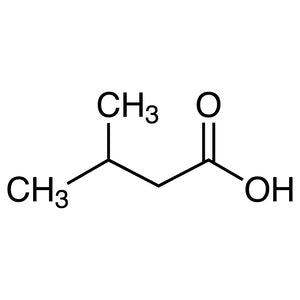
IsovalericAcid TCI M0182
Regular price Rp 505.050,00Regular priceRp 352.800,00Sale price Rp 505.050,00 -
Ethyl3-Methylcrotonate TCI M1441
Regular price From Rp 1.087.800,00Regular priceRp 775.950,00Sale price From Rp 1.087.800,00 -
ValericAcid TCI V0003
Regular price From Rp 610.050,00Regular priceRp 426.300,00Sale price From Rp 610.050,00 -
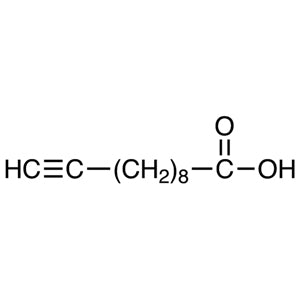
10-UndecynoicAcid TCI U0054
Regular price From Rp 1.060.500,00Regular priceRp 757.050,00Sale price From Rp 1.060.500,00 -
10-UndecenoicAcid TCI U0007
Regular price From Rp 557.550,00Regular priceRp 405.300,00Sale price From Rp 557.550,00 -
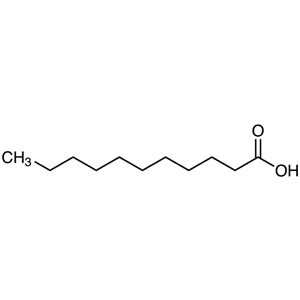
UndecanoicAcid TCI U0004
Regular price From Rp 1.008.000,00Regular priceRp 720.300,00Sale price From Rp 1.008.000,00 -
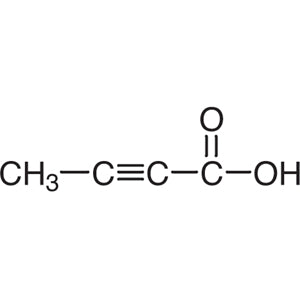
TetrolicAcid TCI T1199
Regular price From Rp 1.192.800,00Regular priceRp 849.450,00Sale price From Rp 1.192.800,00