Tiglic Acid (TCI T0246), with CAS number 80-59-1, is a chemical compound widely used in laboratory settings for its versatility in organic synthesis. It serves as a key building block in the creation of complex organic molecules, particularly in reactions involving carbonyl groups. This compound is essential for chemists seeking to develop new materials, pharmaceuticals, and specialty chemicals. Its reactivity and structural simplicity make it a valuable tool in synthetic chemistry, enabling the formation of various functional groups through substitution and other chemical transformations.
The chemical properties of Tiglic Acid make it a preferred choice for laboratory applications. It exhibits stability under controlled conditions but remains highly reactive towards strong bases and organic solvents. This reactivity allows for precise control in chemical reactions, which is crucial in laboratory environments where accuracy is paramount. Additionally, its relatively high melting and boiling points facilitate ease of handling during heating and cooling processes, making it suitable for a wide range of experimental setups.
In Indonesian laboratories, Tiglic Acid is commonly used in organic chemistry research, particularly in academic and research institutions focused on the synthesis of new compounds. Its availability and consistent quality make it a reliable choice for experimental work, supporting both undergraduate and advanced research projects. The compound's role in developing new chemical structures underscores its importance in the scientific community across Indonesia.
TCI brochures (PDF)
- Terpenes 2025-09-22 · p. 3
- Colloidal Quantum Dot (QD) Research Reagents 2026-05-21 · p. 5
- Organic synthesis is a primary application where Tiglic Acid is used to create complex molecules through substitution and functional group transformations.
- Pharmaceutical research benefits from Tiglic Acid as it contributes to the development of new drugs and therapeutic agents.
- Material science applications leverage its chemical properties to design and synthesize advanced materials with specific characteristics.
- Educational institutions use Tiglic Acid in teaching laboratories to demonstrate fundamental chemical reactions and synthesis techniques.
- Industrial research labs incorporate Tiglic Acid in the formulation of specialty chemicals and polymers for various applications.
| Brand | TCI |
|---|---|
| CAS number | 80-59-1 |
| Molecular formula | — |
| Purity | — |
| Category | Chemistry > Building Blocks > Non-Heterocyclic Building Blocks |
| Pack sizes | Available in various quantities as per standard laboratory supply |
| Physical form | Solid at room temperature |
| Storage | Store in a cool, dry place away from strong bases and organic solvents |
Tiglic Acid should be stored in a cool, dry environment to maintain its chemical stability. It is recommended to keep the compound in airtight containers to prevent exposure to moisture and air, which may affect its reactivity. Due to its sensitivity to strong bases and organic solvents, it should be stored separately from incompatible materials. Laboratory personnel should handle the compound with care, using appropriate personal protective equipment such as gloves and safety goggles. Proper labeling of storage containers is essential to ensure safe handling and prevent accidental exposure. Regular inspection of storage conditions is advised to maintain the integrity of the compound throughout its shelf life.
—
Product Categories
Produk Terkait
-
3-MethylcrotonicAcid TCI M0543
Regular price From Rp 742.350,00Regular priceRp 534.450,00Sale price From Rp 742.350,00 -
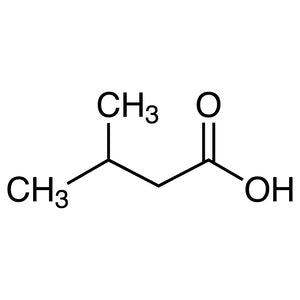
IsovalericAcid TCI M0182
Regular price Rp 505.050,00Regular priceRp 352.800,00Sale price Rp 505.050,00 -
ValericAcid TCI V0003
Regular price From Rp 610.050,00Regular priceRp 426.300,00Sale price From Rp 610.050,00 -
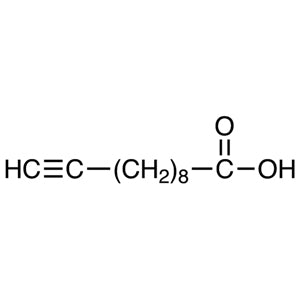
10-UndecynoicAcid TCI U0054
Regular price From Rp 1.060.500,00Regular priceRp 757.050,00Sale price From Rp 1.060.500,00 -
10-UndecenoicAcid TCI U0007
Regular price From Rp 557.550,00Regular priceRp 405.300,00Sale price From Rp 557.550,00 -
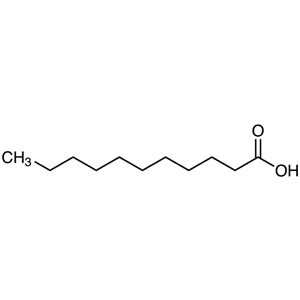
UndecanoicAcid TCI U0004
Regular price From Rp 1.008.000,00Regular priceRp 720.300,00Sale price From Rp 1.008.000,00 -
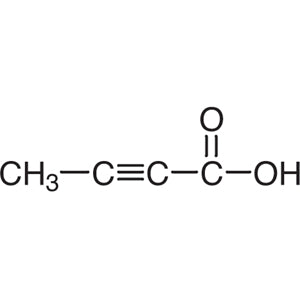
TetrolicAcid TCI T1199
Regular price From Rp 1.192.800,00Regular priceRp 849.450,00Sale price From Rp 1.192.800,00 -
BehenicAcid TCI B1747
Regular price Rp 4.028.850,00Regular priceRp 2.832.900,00Sale price Rp 4.028.850,00