Methoxyacetic Acid TCI M0827, with CAS number 625-45-6, is a chemical compound widely used in laboratory settings as a building block for various chemical reactions. It serves as a versatile reagent in organic synthesis, contributing to the formation of complex molecules through its reactivity. This compound is particularly valuable in the development of heterocyclic structures, esters, and other functional groups that are essential in pharmaceutical and material science research. Its role in laboratory work is critical for researchers aiming to create new compounds with specific properties.
The compound's high reactivity and solubility in organic solvents such as ethyl acetate and ethanol make it a preferred choice for synthetic chemists. Its relatively high boiling point facilitates controlled heating and distillation processes, enhancing the precision of chemical reactions. Additionally, its chemical stability under normal conditions ensures that it remains effective during storage and use, minimizing the risk of degradation. These properties collectively make Methoxyacetic Acid a reliable and efficient reagent in laboratory environments.
In Indonesian laboratories, Methoxyacetic Acid is extensively used by researchers and educational institutions for both research and development purposes. It is a key component in various organic synthesis experiments, especially in the field of pharmaceutical chemistry. Its availability and reliability make it an essential tool for scientists working on the synthesis of new compounds and materials. Its consistent performance supports the advancement of scientific studies in Indonesia.
- Organic synthesis is a key application where Methoxyacetic Acid is used to create complex organic molecules due to its reactivity and versatility.
- Pharmaceutical research benefits from this compound as it is involved in the synthesis of various drug-related compounds and functional groups.
- Material science applications rely on Methoxyacetic Acid for the development of new materials with specific chemical properties.
- Educational institutions use it for teaching and research purposes to demonstrate chemical reactions and synthesis techniques.
- Industrial chemical processes incorporate this compound for the production of esters and other derivatives in controlled environments.
| Brand | TCI |
|---|---|
| CAS number | 625-45-6 |
| Molecular formula | — |
| Purity | — |
| Category | Chemistry > Building Blocks > Non-Heterocyclic Building Blocks |
| Pack sizes | Available in various quantities as per supplier specifications |
| Physical form | Liquid |
| Storage | Store in a cool, dry place away from direct sunlight and incompatible materials |
Methoxyacetic Acid should be stored in a cool, dry location away from direct sunlight and sources of heat. It is recommended to use sealed containers made of materials compatible with its chemical properties, such as glass or high-density polyethylene. Proper ventilation is essential when handling this compound to minimize exposure to vapors. Laboratory personnel should wear appropriate personal protective equipment, including gloves and safety goggles, to ensure safe handling. The compound should not be stored near incompatible substances such as strong oxidizers or acids. Regular monitoring of storage conditions is advised to maintain its stability and effectiveness.
—
Produk Terkait
-
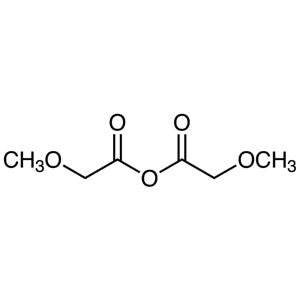
2-MethoxyaceticAnhydride TCI M3180
Regular price Rp 1.485.750,00Regular price -
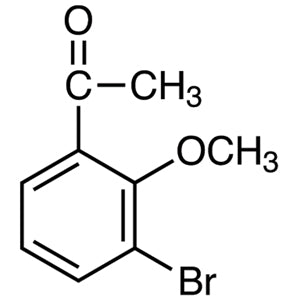
3'-Bromo-2'-methoxyacetophenone TCI B5498
Regular price From Rp 1.087.800,00Regular price -
2'-Amino-3'-methyl-4'-methoxyacetophenone TCI A3027
Regular price From Rp 2.677.500,00Regular price -
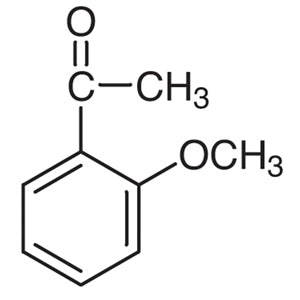
2'-Methoxyacetophenone TCI M1445
Regular price From Rp 2.094.750,00Regular price -
4'-Methoxyacetophenone TCI M0105
Regular price From Rp 557.550,00Regular price -
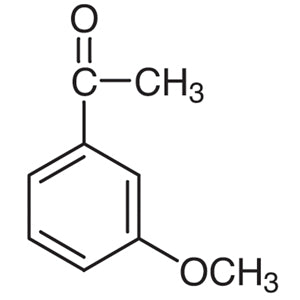
3'-Methoxyacetophenone TCI M0104
Regular price From Rp 1.035.300,00Regular price -
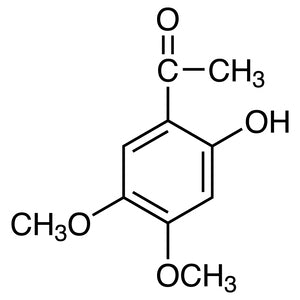
2'-Hydroxy-4',5'-dimethoxyacetophenone TCI H1206
Regular price Rp 5.009.550,00Regular price -
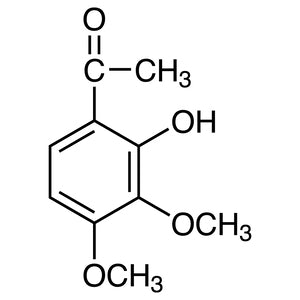
2'-Hydroxy-3',4'-dimethoxyacetophenone TCI H1205
Regular price From Rp 1.829.100,00Regular price