Methylaluminum Bis(2,6-di-tert-butyl-4-methylphenoxide) is a synthetic reagent commonly used in chemical laboratories for its unique reactivity and versatility. This compound, available at a concentration of 0.4 mol/L in toluene, plays a crucial role in various chemical reactions, particularly those involving metal-based mechanisms. Its ability to participate in substitution reactions and alkyl metal-based processes makes it an essential tool for chemists working on complex organic synthesis. The compound’s reactivity allows for the formation of new bonds and the activation of carbon atoms, which are key steps in the development of advanced organic compounds.
This reagent is preferred due to its high reactivity and stability under controlled conditions. Its solubility in toluene enables it to be easily integrated into organic reactions that require a suitable solvent. The 0.4 mol/L concentration provides a balance between reactivity and stability, ensuring consistent performance in laboratory settings. This makes it ideal for applications that demand precision and control, such as in the synthesis of complex organic molecules. Its chemical properties make it a reliable choice for researchers aiming to achieve specific reaction outcomes with minimal side reactions.
In Indonesian laboratories, this reagent is frequently used in organic chemistry research, particularly in institutions focused on synthetic chemistry. It is a staple in laboratories conducting studies on metal-based reactions and organic synthesis. Its availability and effectiveness have made it a preferred choice among researchers looking to explore new chemical pathways and develop novel compounds. Its role in both academic and industrial research settings underscores its importance in the chemical sciences.
- Organic synthesis reactions benefit from this reagent's ability to activate carbon atoms and form new bonds, making it ideal for complex molecule creation.
- Metal-based substitution reactions often require alkyl metal reagents, and this compound provides the necessary reactivity and stability for such processes.
- Research in catalytic chemistry frequently uses this material due to its capacity to participate in controlled and selective chemical transformations.
- Industrial chemical processes that require high reactivity and precision often incorporate this reagent for its consistent performance in organic synthesis.
- Advanced chemical research in Indonesian laboratories relies on this compound for its role in creating novel organic compounds with specific functional groups.
| Brand | TCI |
|---|---|
| CAS number | 56252-55-2 |
| Molecular formula | — |
| Purity | — |
| Category | Chemistry > Synthetic Reagents > Acids, Bases [Synthetic Reagents] |
| Pack sizes | 0.4 mol/L in toluene (as listed) |
| Physical form | Liquid solution in toluene |
| Storage | — |
This reagent should be stored in a cool, dry, and well-ventilated area away from direct sunlight and sources of heat. It is recommended to use sealed, glass containers to prevent evaporation and contamination. Due to its reactivity, it should be handled with care, using appropriate personal protective equipment such as gloves and safety goggles. It is important to ensure that the container is tightly closed when not in use to maintain its stability and prevent unwanted reactions. Storage in a fume hood is advisable when handling larger quantities to minimize exposure to vapors. Always follow standard laboratory safety protocols when working with this compound to ensure a safe and controlled environment.
—
Produk Terkait
-
TCI B5774 5,10-Bis(4,4,5,5-tetramethyl-1,3,2-dioxaborolan-2-yl)naphtho[1,2-c:5,6-c']bis([1,2,5]oxadiazole)
Regular price Rp 10.255.350,00Regular price -
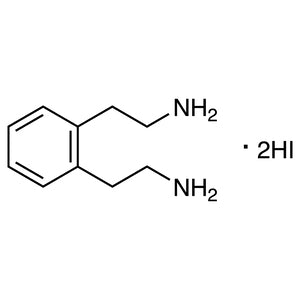
Dihydroiodide TCI B6569
Regular price From Rp 1.936.200,00Regular price -
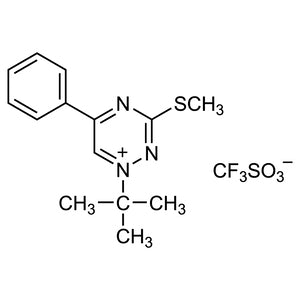
Trifluoromethanesulfonate TCI B7003
Regular price From Rp 1.936.200,00Regular price
![5,10-Bis(4,4,5,5-tetramethyl-1,3,2-dioxaborolan-2-yl)naphtho[1,2-c:5,6-c']bis([1,2,5]oxadiazole) - TCI B5774 - AMI Scientific](http://amiscientific.com/cdn/shop/files/TCI2510B5774.jpg?v=1769180228&width=533)