TCI M1485 2-Methylindole-3-carboxaldehyde is an indole derivative carrying a methyl group at the second position and an aldehyde group at the third position. The combination of these two substituents makes it a highly versatile heterocyclic building block, because the aldehyde group is one of the most reactive functional groups in organic chemistry and offers the widest range of transformation pathways. In the laboratory, this material serves as a starting point for constructing larger molecules through condensation reactions, reductive amination, olefination, and multicomponent reactions that generate new heterocyclic frameworks.
The property that makes this compound a frequent choice is the high reactivity of the aldehyde at the third position combined with the steric and electronic protection provided by the methyl group at the second position. The methyl group blocks position two, so side reactions at that point can be avoided, while at the same time it increases electron density on the pyrrole ring. The N-H group remains available for alkylation or protection whenever a synthetic route requires it. Indole aldehydes are generally relatively stable solids that are easy to weigh out, unlike many aliphatic aldehydes that oxidize quickly on standing.
In Indonesian laboratories, this building block is typically used in synthetic organic chemistry groups at universities, in research institutes working on bioactive heterocyclic compounds, and in analytical or formulation development settings that require a well-defined indole scaffold. The reagent-grade quality from TCI helps maintain consistency between batches, which matters for reproducing published procedures and for work where the identity and behaviour of the starting material must remain predictable across repeated experiments.
- Heterocyclic scaffold construction: the reactive aldehyde at position three allows chemists to assemble larger fused or linked heterocyclic frameworks from a single well-defined indole starting material.
- Condensation reactions: the aldehyde readily forms carbon-nitrogen and carbon-carbon bonds with amines, hydrazines, and active methylene partners, making it a dependable partner in classical condensation chemistry.
- Reductive amination routes: the carbonyl can be converted into a substituted aminomethyl group, giving access to amine-bearing indole derivatives that are common targets in medicinal chemistry programmes.
- Olefination chemistry: the aldehyde functions as the electrophilic component in olefination reactions, extending the indole core with alkene linkages for further elaboration or cross-coupling work.
- Multicomponent reaction studies: its stability as a solid and its single reactive carbonyl site make it well suited to one-pot multicomponent procedures that build molecular complexity efficiently.
| Brand | TCI |
|---|---|
| CAS number | 5416-80-8 |
| Molecular formula | — |
| Purity | — |
| Category | Chemistry > Building Blocks > Heterocyclic Building Blocks |
| Pack sizes | available in standard TCI research and laboratory pack sizes |
| Physical form | solid indole aldehyde |
| Storage | keep in the closed original container, protected from light and moisture |
Store the material in its original tightly closed container in a cool, dry place away from direct sunlight and sources of heat. Amber glass or the supplied container is suitable, since aldehydes are best kept protected from light and from prolonged exposure to air. Weigh the solid in a well-ventilated area or fume hood and avoid generating dust. Standard laboratory personal protective equipment should be used, including gloves, safety glasses, and a laboratory coat. Keep the container closed when not in use to limit moisture uptake, return it promptly to its designated storage location, and consult the manufacturer's safety data sheet before handling.
—
Produk Terkait
-
2,3,3,5-Tetramethylindolenine TCI T3458
Regular price From Rp 1.856.400,00Regular priceRp 1.313.550,00Sale price From Rp 1.856.400,00 -
5-Amino-2-methylindole TCI A1539
Regular price From Rp 1.405.950,00Regular priceRp 998.550,00Sale price From Rp 1.405.950,00 -
2,3,3-Trimethylindolenine TCI T0766
Regular price From Rp 1.458.450,00Regular priceRp 1.035.300,00Sale price From Rp 1.458.450,00 -
4-Methylindole TCI M1745
Regular price Rp 1.351.350,00Regular priceRp 960.750,00Sale price Rp 1.351.350,00 -
7-Methylindole TCI M1702
Regular price From Rp 875.700,00Regular priceRp 627.900,00Sale price From Rp 875.700,00 -
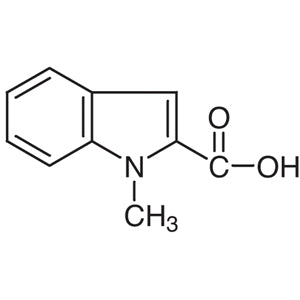
1-Methylindole-2-carboxylicAcid TCI M1519
Regular price From Rp 1.246.350,00Regular priceRp 887.250,00Sale price From Rp 1.246.350,00 -
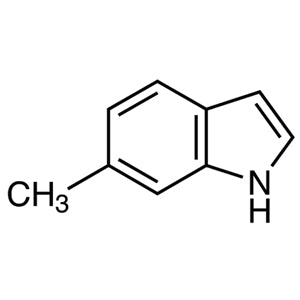
6-Methylindole TCI M1430
Regular price From Rp 1.618.050,00Regular priceRp 1.146.600,00Sale price From Rp 1.618.050,00 -
3-Methoxymethylindole TCI M1305
Regular price From Rp 848.400,00Regular priceRp 609.000,00Sale price From Rp 848.400,00