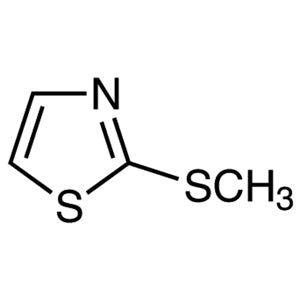
2-(Methylthio)thiazole is a chemical compound widely used in laboratory settings for its versatility in organic synthesis. As a heterocyclic building block, it plays a crucial role in the development of complex molecules, particularly in pharmaceutical and material sciences. Its unique structure, featuring a thiazole ring with a methylthio group, makes it an essential component in the creation of bioactive compounds. This compound is frequently employed in research to facilitate functional group transformations and ring formation processes. Its chemical stability combined with reactivity allows it to be a reliable reagent in various synthetic pathways.
The compound’s reactivity stems from its sulfur and nitrogen atoms, which are central to its chemical behavior. These atoms enable it to participate in a wide range of reactions, including substitution and cyclization, making it a preferred choice for chemists. The presence of the methylthio group enhances its ability to interact with other reagents, contributing to the synthesis of diverse organic structures. Its compatibility with various reaction conditions and its ability to form stable intermediates further solidify its position as a valuable tool in synthetic chemistry.
In Indonesian laboratories, 2-(Methylthio)thiazole is extensively used in organic chemistry, pharmaceutical research, and material development. It is a common reagent in academic and industrial settings, supporting studies aimed at discovering new drugs and advanced materials. Its application spans from basic research to applied projects, making it a sought-after compound among scientists and researchers in Indonesia.
- Organic synthesis is a primary application where 2-(Methylthio)thiazole is used to build complex molecules due to its heterocyclic structure and reactivity.
- Pharmaceutical research benefits from this compound as it is used in the development of bioactive compounds and drug candidates.
- Material science applications rely on this compound for the synthesis of advanced polymers and functional materials.
- Academic research in chemistry utilizes it for teaching and experimental purposes to demonstrate heterocyclic chemistry principles.
- Industrial chemical processes incorporate it in the production of specialty chemicals and intermediates for various industries.
| Brand | TCI |
|---|---|
| CAS number | 5053-24-7 |
| Molecular formula | — |
| Purity | — |
| Category | Chemistry > Building Blocks > Heterocyclic Building Blocks |
| Pack sizes | Available in various quantities as per supplier specifications |
| Physical form | Solid or liquid, depending on the specific product variant |
| Storage | Store in a cool, dry place away from light and moisture |
This compound should be stored in a cool, dry environment, away from direct sunlight and moisture to maintain its chemical integrity. It is recommended to use airtight containers made of glass or polyethylene to prevent contamination and degradation. Due to its reactivity, it should be handled with care, using appropriate personal protective equipment such as gloves and safety goggles. In laboratory settings, it should be stored separately from strong oxidizing agents to avoid potential chemical interactions. Proper labeling and storage conditions are essential to ensure safety and maintain the compound’s effectiveness for research applications.
—
Produk Terkait
-
2-(Methylthio)naphtho[1,2-d]thiazole TCI M1827
Regular price Rp 3.790.500,00Regular price -
Thiazole-5-carboxylicAcid TCI T2495
Regular price From Rp 1.644.300,00Regular price -
Thiazole-4-carboxylicAcid TCI T2494
Regular price From Rp 1.431.150,00Regular price -
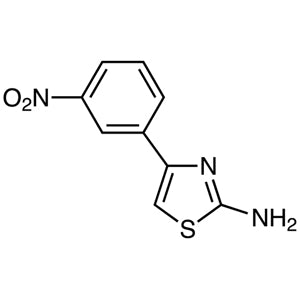
2-Amino-4-(3-nitrophenyl)thiazole TCI A3086
Regular price From Rp 664.650,00Regular price -
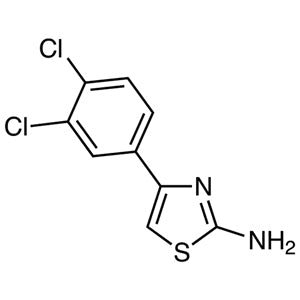
2-Amino-4-(3,4-dichlorophenyl)thiazole TCI A2906
Regular price Rp 4.347.000,00Regular price -
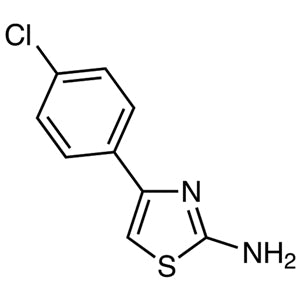
2-Amino-4-(4-chlorophenyl)thiazole TCI A2841
Regular price From Rp 557.550,00Regular price -
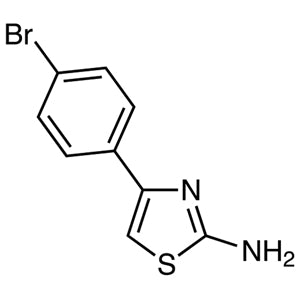
2-Amino-4-(4-bromophenyl)thiazole TCI A2829
Regular price Rp 1.087.800,00Regular price -
2-Amino-4-(p-tolyl)thiazole TCI A2666
Regular price From Rp 2.094.750,00Regular price
![51769-43-8 2-(Methylthio)naphtho[1,2-d]thiazole - AMI Scientific](http://amiscientific.com/cdn/shop/files/TCI2510M1827.jpg?v=1767125642&width=533)