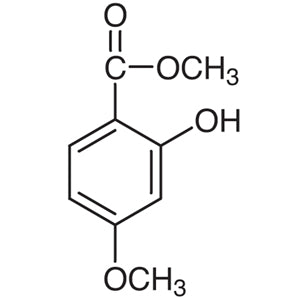
TCI M1797 Methyl 4-Methoxysalicylate is the methyl ester of 4-methoxysalicylic acid, combining an ester group, a phenolic hydroxyl group, and a methoxy group on a single aromatic framework. This arrangement of functional groups makes it a valuable building block in organic synthesis, particularly when researchers require a salicylate skeleton whose carboxyl function is already protected in ester form. In the laboratory, the compound serves as a synthetic intermediate for aromatic derivatives, as a reference material in analytical work, and as a substrate in studies of phenolic group reactivity.
The advantage that makes this compound a frequent choice lies in the acid protection that is present from the outset. With the carboxylate already in methyl ester form, researchers can carry out reactions on the phenolic hydroxyl group — etherification or esterification, for example — without interference from the acidity of a free carboxyl group. Internal hydrogen bonding between the ortho hydroxyl and the ester carbonyl confers additional stability while also influencing spectroscopic behaviour. The methoxy group increases electron density on the ring, which shapes the regiochemical outcome of subsequent electrophilic substitution.
Its good solubility in common organic solvents supports routine handling in Indonesian laboratories, where the compound is typically weighed out and dissolved for small-scale synthetic work. It is well suited to university research groups, contract research settings, and industrial R&D units engaged in the preparation of aromatic derivatives, as well as to analytical laboratories that require a defined organic substrate for method work and comparative studies.
- Synthesis of aromatic derivatives — the protected carboxyl function allows chemists to build onto the salicylate framework selectively without competing acid–base reactivity complicating the transformation.
- Selective phenolic group chemistry — the free hydroxyl remains available for etherification or esterification, making this compound a convenient substrate when only that position should react.
- Electrophilic aromatic substitution studies — the electron-donating methoxy group raises ring electron density, providing a clear system for examining directing effects and regioselectivity in substitution reactions.
- Analytical reference material — the defined structure and combination of functional groups make it useful as a comparison standard when identifying or characterising related aromatic compounds.
- Spectroscopic investigation of hydrogen bonding — internal hydrogen bonding between the ortho hydroxyl and the ester carbonyl makes this molecule a suitable model for such studies.
| Brand | TCI |
|---|---|
| CAS number | 5446-02-6 |
| Molecular formula | — |
| Purity | — |
| Category | Chemistry > Building Blocks > Non-Heterocyclic Building Blocks |
| Pack sizes | available in standard TCI research packaging; please confirm the required size when ordering |
| Physical form | — |
| Storage | store in a closed container under the conditions indicated on the manufacturer's label |
- Product code: M1797
Store the container tightly closed in a cool, dry, well-ventilated area away from direct sunlight, heat sources, and incompatible materials, following the conditions stated on the manufacturer's label. Keep the material in its original container or in a chemically compatible sealed vessel such as amber glass, and reclose it promptly after each use to limit exposure to moisture and air. Handle the compound in a fume hood while wearing a laboratory coat, safety goggles, and suitable chemical-resistant gloves. Avoid inhalation of dust and contact with skin and eyes, use clean and dry spatulas when weighing, and consult the manufacturer's safety data sheet before use and for waste disposal guidance.
—
Produk Terkait
-
Methyl5-Allyl-3-methoxysalicylate TCI M2204
Regular price Rp 1.749.300,00Regular price -
Methyl3-Methoxysalicylate TCI M2167
Regular price From Rp 769.650,00Regular price -
Methyl5-Methoxysalicylate TCI M2127
Regular price Rp 1.988.700,00Regular price -
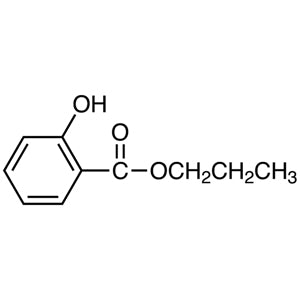
PropylSalicylate TCI S0441
Regular price Rp 2.094.750,00Regular price -
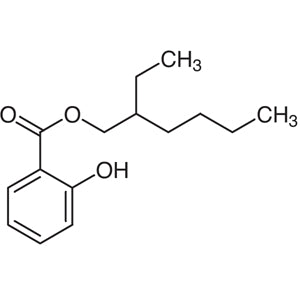
2-EthylhexylSalicylate TCI S0387
Regular price From Rp 903.000,00Regular price -
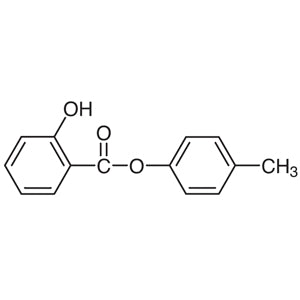
p-TolylSalicylate TCI S0018
Regular price Rp 1.803.900,00Regular price -
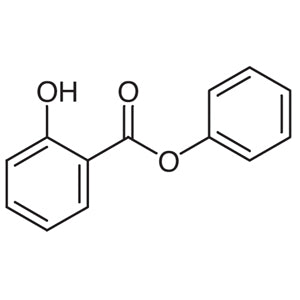
PhenylSalicylate TCI S0017
Regular price From Rp 505.050,00Regular price -
MethylSalicylate TCI S0015
Regular price From Rp 452.550,00Regular price