Methyl 5-Allyl-3-methoxysalicylate is a chemical compound widely used in laboratory settings for its versatility in organic synthesis. This compound plays a crucial role in the development of complex molecules, particularly in the field of organic chemistry. Its unique molecular structure allows it to participate in various chemical reactions, making it a valuable reagent for researchers aiming to create new compounds with specific functional groups. In Indonesian laboratories, it is frequently used as a building block in the synthesis of bioactive and aromatic compounds.
The compound is known for its chemical stability under controlled conditions, yet it retains sufficient reactivity to engage in essential reactions such as esterification, hydrolysis, and substitution. These properties make it a preferred choice for chemists working on synthetic pathways that require precise control over reaction outcomes. Its ability to interact with different functional groups enhances its utility in the creation of diverse chemical structures, supporting both academic and industrial research efforts.
In Indonesian laboratories, Methyl 5-Allyl-3-methoxysalicylate is commonly utilized in organic chemistry research, especially in the development of new compounds with biological activity. It is a favored material among researchers involved in the synthesis of complex molecules, owing to its structural versatility and reactivity. Its use is particularly prominent in studies focused on bioactive compounds and aromatic structures, contributing to advancements in chemical research in the region.
- Used in the synthesis of aromatic compounds due to its structural versatility and reactivity in organic reactions.
- Applied in the development of bioactive molecules as it can participate in various functional group transformations.
- Utilized in esterification reactions because of its methyl ester functionality, enabling the formation of new ester derivatives.
- Employed in substitution reactions due to its allyl group, which can undergo various chemical modifications.
- Integrated into research projects involving complex molecule synthesis, offering a reliable building block for structural diversity.
| Brand | TCI |
|---|---|
| CAS number | 85614-43-3 |
| Molecular formula | — |
| Purity | — |
| Category | Chemistry > Building Blocks > Non-Heterocyclic Building Blocks |
| Pack sizes | Available in standard laboratory quantities |
| Physical form | Solid or liquid, depending on the specific product variant |
| Storage | Store in a cool, dry place away from direct sunlight |
Methyl 5-Allyl-3-methoxysalicylate should be stored in a cool, dry environment to maintain its chemical stability. It is recommended to keep the compound in a sealed container to prevent exposure to moisture and air, which may affect its reactivity. Suitable storage containers include glass or high-density polyethylene vessels that are resistant to chemical degradation. In laboratory settings, it is important to handle the compound with care, using appropriate personal protective equipment such as gloves and safety goggles. Proper labeling of storage containers is essential to ensure safe handling and prevent accidental exposure. The compound should be kept away from incompatible substances to avoid any potential chemical reactions. Regular inspection of storage conditions is advised to ensure the compound remains in optimal condition for use.
—
Produk Terkait
-
Methyl3-Methoxysalicylate TCI M2167
Regular price From Rp 769.650,00Regular price -
Methyl5-Methoxysalicylate TCI M2127
Regular price Rp 1.988.700,00Regular price -
Methyl4-Methoxysalicylate TCI M1797
Regular price From Rp 717.150,00Regular price -
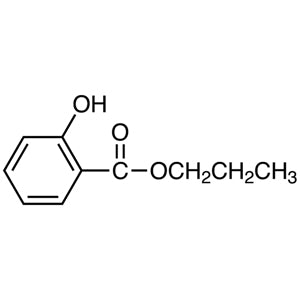
PropylSalicylate TCI S0441
Regular price Rp 2.094.750,00Regular price -
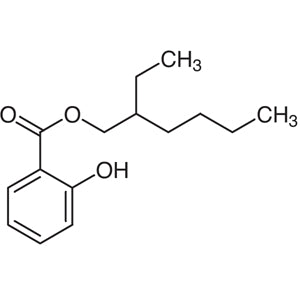
2-EthylhexylSalicylate TCI S0387
Regular price From Rp 903.000,00Regular price -
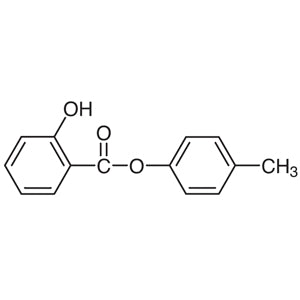
p-TolylSalicylate TCI S0018
Regular price Rp 1.803.900,00Regular price -
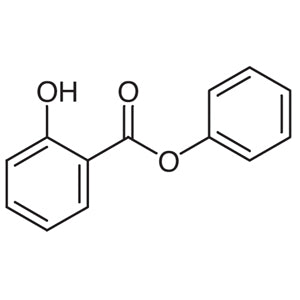
PhenylSalicylate TCI S0017
Regular price From Rp 505.050,00Regular price -
MethylSalicylate TCI S0015
Regular price From Rp 452.550,00Regular price