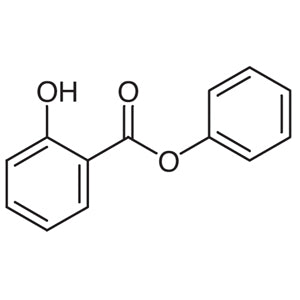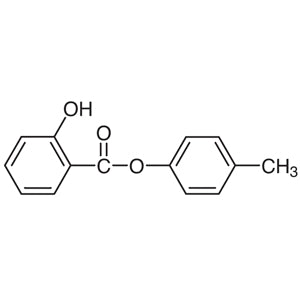
p-Tolyl Salicylate is a chemical compound widely used in laboratory settings for its versatility in organic synthesis. As a non-heterocyclic building block, it serves as a key intermediate in the creation of various organic compounds. Its molecular structure consists of a salicylate group attached to a tolyl chain, making it a valuable component in chemical reactions. This compound is commonly found in research laboratories where it is used to develop new materials, pharmaceuticals, and cosmetic products. Its role in chemical experimentation is critical due to its stability and controlled reactivity, allowing for precise and reproducible results in synthetic processes.
The chemical properties of p-Tolyl Salicylate make it a preferred choice for laboratory use. It exhibits stable chemical behavior, which minimizes unwanted side reactions during synthesis. Its solubility in organic solvents such as ethyl acetate and ether further enhances its usability in a variety of experimental conditions. Additionally, its consistent physical and chemical characteristics ensure reliability across different experimental scales. These properties contribute to its popularity among chemists and researchers who require a dependable reagent for their work.
In Indonesian laboratories, p-Tolyl Salicylate is frequently used in both fundamental and applied chemical research. It is a common requirement for researchers in the fields of pharmacy and organic chemistry. Due to its availability and high quality, it is an essential material for conducting experiments that require precise chemical intermediates. Its use is widespread in academic and industrial research settings, supporting the development of new compounds and formulations.
Related TCI products
- Organic synthesis is a primary application where p-Tolyl Salicylate is used as a building block for creating complex organic molecules.
- Pharmaceutical research benefits from its use in the development of new drug compounds due to its chemical stability and reactivity.
- Cosmetic formulation relies on p-Tolyl Salicylate for its ability to contribute to the creation of stable and effective ingredients.
- Material science applications utilize this compound for synthesizing polymers and other advanced materials with specific properties.
- Analytical chemistry experiments use p-Tolyl Salicylate as a reference standard for identifying and quantifying chemical compounds.
| Brand | TCI |
|---|---|
| CAS number | 607-88-5 |
| Molecular formula | — |
| Purity | — |
| Category | Chemistry > Building Blocks > Non-Heterocyclic Building Blocks |
| Pack sizes | Available in various quantities as per supplier specifications |
| Physical form | Solid |
| Storage | Store in a cool, dry place away from direct sunlight |
p-Tolyl Salicylate should be stored in a cool, dry environment to maintain its chemical stability. It is recommended to keep the compound in a sealed container to prevent moisture absorption and contamination. Suitable storage containers include glass or high-density polyethylene vessels that are resistant to chemical reactions. In laboratory settings, it is important to handle the compound with care, using appropriate personal protective equipment such as gloves and safety goggles. Avoid exposure to heat and direct light to preserve its integrity. Proper labeling of containers is essential for safe handling and easy identification. This ensures that the compound remains effective and safe for use in chemical experiments.
—
Produk Terkait
-
MethylAcetylsalicylate TCI A0114
Regular price From Rp 1.035.300,00Regular price -
3,3,5-TrimethylcyclohexylSalicylate(cis-andtrans-mixture) TCI T2278
Regular price From Rp 664.650,00Regular price -
TetrabutylammoniumSalicylate TCI T1276
Regular price Rp 3.658.200,00Regular price -
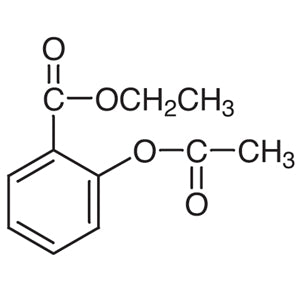
EthylAcetylsalicylate TCI A1592
Regular price Rp 2.359.350,00Regular price -
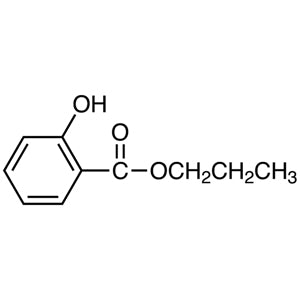
PropylSalicylate TCI S0441
Regular price Rp 2.094.750,00Regular price -
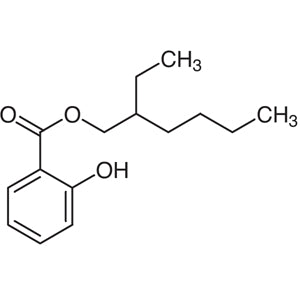
2-EthylhexylSalicylate TCI S0387
Regular price From Rp 903.000,00Regular price -
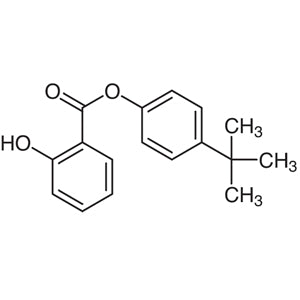
4-tert-ButylphenylSalicylate TCI S0274
Regular price From Rp 505.050,00Regular price -
PhenylSalicylate TCI S0017
Regular price From Rp 505.050,00Regular price