Phenyl Salicylate (TCI S0017, CAS 118-55-8) is a chemical compound widely used as a building block in various laboratory applications. It is a key reagent in organic synthesis due to its structural composition, which includes a salicylate group attached to a phenyl ring. This structure provides it with both reactivity and stability, making it a versatile material for chemical reactions. Its role in the laboratory extends beyond basic synthesis, as it is also used in the development of pharmaceuticals and other specialized chemical products.
The chemical properties of Phenyl Salicylate make it a preferred choice for laboratory use. It is chemically stable under normal conditions but remains reactive under specific chemical environments. Its non-toxic and odorless nature enhances its usability in both research and industrial settings. These characteristics contribute to its reliability in chemical processes, ensuring consistent results without the need for extensive safety measures. Additionally, its molecular stability allows for long-term storage and use in multiple applications.
In Indonesian laboratories, Phenyl Salicylate is commonly used in both pure and applied chemical research. It is a popular choice due to its availability and effectiveness in various synthetic reactions. Its role in the development of new compounds and its compatibility with different reaction conditions make it an essential material for chemists in Indonesia. Its practicality and reliability have made it a standard component in many laboratory workflows.
Related TCI products
- Organic synthesis: Phenyl Salicylate is widely used in the synthesis of organic compounds due to its reactive functional groups and compatibility with various reaction conditions.
- Pharmaceutical research: It serves as a building block in the development of pharmaceutical compounds, particularly in the synthesis of drugs and medicinal agents.
- Analytical chemistry: Its stable chemical properties make it suitable for use in analytical procedures where precision and consistency are required.
- Industrial chemical processes: Phenyl Salicylate is employed in industrial applications where chemical stability and reactivity are essential for producing specialized products.
- Teaching and educational labs: It is commonly used in academic settings to demonstrate chemical reactions and synthetic techniques to students.
| Brand | TCI |
|---|---|
| CAS number | 118-55-8 |
| Molecular formula | — |
| Purity | — |
| Category | Chemistry > Building Blocks > Non-Heterocyclic Building Blocks |
| Pack sizes | Available in various pack sizes to suit different laboratory needs |
| Physical form | Solid |
| Storage | Store in a cool, dry place away from direct sunlight |
Phenyl Salicylate should be stored in a cool, dry place away from direct sunlight to maintain its chemical stability. It is recommended to use airtight containers to prevent moisture absorption and contamination. Since it is non-toxic and odorless, it does not require special handling beyond standard chemical safety protocols. However, it is advisable to keep it in a well-ventilated area to ensure safe laboratory conditions. Proper storage ensures the material remains effective for use in various chemical applications without degradation. Always follow general laboratory safety practices when handling and storing chemical compounds.
—
Produk Terkait
-
MethylAcetylsalicylate TCI A0114
Regular price From Rp 1.087.800,00Regular priceRp 775.950,00Sale price From Rp 1.087.800,00 -
3,3,5-TrimethylcyclohexylSalicylate(cis-andtrans-mixture) TCI T2278
Regular price From Rp 664.650,00Regular priceRp 464.100,00Sale price From Rp 664.650,00 -
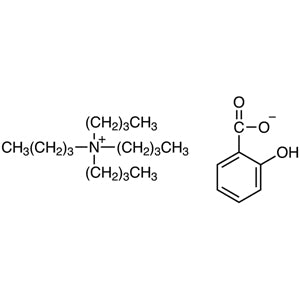
TetrabutylammoniumSalicylate TCI T1276
Regular price Rp 3.710.700,00Regular priceRp 2.610.300,00Sale price Rp 3.710.700,00 -
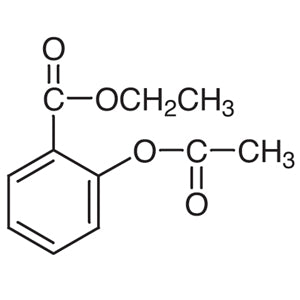
EthylAcetylsalicylate TCI A1592
Regular price Rp 2.411.850,00Regular priceRp 1.702.050,00Sale price Rp 2.411.850,00 -
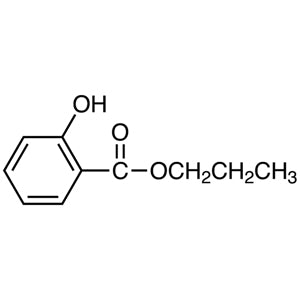
PropylSalicylate TCI S0441
Regular price Rp 2.094.750,00Regular priceRp 1.464.750,00Sale price Rp 2.094.750,00 -
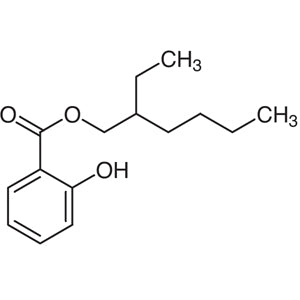
2-EthylhexylSalicylate TCI S0387
Regular price From Rp 903.000,00Regular priceRp 631.050,00Sale price From Rp 903.000,00 -
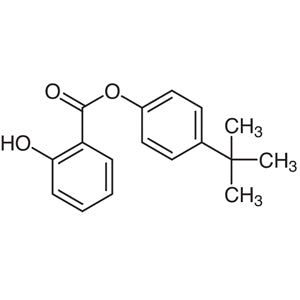
4-tert-ButylphenylSalicylate TCI S0274
Regular price From Rp 505.050,00Regular priceRp 352.800,00Sale price From Rp 505.050,00 -
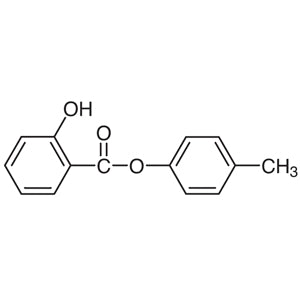
p-TolylSalicylate TCI S0018
Regular price Rp 1.803.900,00Regular priceRp 1.261.050,00Sale price Rp 1.803.900,00