4-Tert-Butylphenyl Salicylate is a chemical compound widely used in laboratory settings for constructing complex molecular structures. It serves as a key building block in organic chemistry, enabling the synthesis of various active compounds. This material is particularly valued for its versatility and reactivity, making it a fundamental component in research and development processes. Its ability to participate in substitution and esterification reactions enhances its utility in synthetic pathways, supporting the creation of bioactive molecules with specific functional groups.
The compound's stability and reactivity make it a preferred choice for researchers seeking reliable and efficient chemical intermediates. Its molecular structure allows for controlled modifications, which is essential in the development of pharmaceuticals and specialty chemicals. The compound’s predictable behavior under different reaction conditions ensures consistent results, reducing the risk of experimental failure. These properties contribute to its widespread use in both academic and industrial laboratories.
In Indonesian laboratories, 4-Tert-Butylphenyl Salicylate is commonly used in pharmaceutical and organic chemistry research. Its availability and reliability make it a favored material for scientists working on drug development and chemical synthesis. The compound is integral to projects that require high reactivity and structural versatility, supporting innovation in both academic and applied research settings.
- Active Compound Synthesis: This material is ideal for synthesizing bioactive compounds due to its reactivity and structural adaptability.
- Organic Chemistry Research: It supports a wide range of organic reactions, making it essential for synthetic pathway development.
- Pharmaceutical Development: Its use in drug synthesis allows for the creation of compounds with specific therapeutic properties.
- Molecular Structure Modification: The compound's ability to participate in substitution and esterification reactions enables precise molecular tailoring.
- Chemical Innovation Projects: It is a key component in research focused on creating new chemical entities with desired functionalities.
| Brand | TCI |
|---|---|
| CAS number | 87-18-3 |
| Molecular formula | — |
| Purity | — |
| Category | Chemistry > Building Blocks > Non-Heterocyclic Building Blocks |
| Pack sizes | Available in various quantities as per standard laboratory supply formats |
| Physical form | Solid, crystalline appearance |
| Storage | Store in a cool, dry place away from direct sunlight and moisture |
This compound should be stored in a cool, dry environment to maintain its chemical stability. It is recommended to keep it in airtight containers to prevent exposure to moisture and air, which could affect its reactivity. Proper labeling of storage containers is essential for safe handling and easy identification. Laboratory personnel should wear appropriate personal protective equipment when handling the material to ensure safety. The compound should be kept away from incompatible substances to avoid any potential chemical interactions. Regular inspection of storage conditions ensures the material remains in optimal condition for use in research applications.
—
Produk Terkait
-
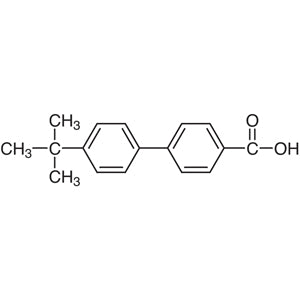
4-(4-tert-Butylphenyl)benzoicAcid TCI B1986
Regular price From Rp 2.677.500,00Regular price -
4-tert-ButylphenylAcetate TCI B0962
Regular price Rp 2.359.350,00Regular price -
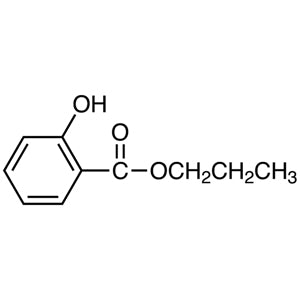
PropylSalicylate TCI S0441
Regular price Rp 2.094.750,00Regular price -
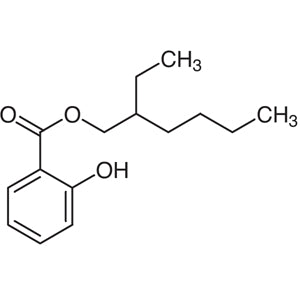
2-EthylhexylSalicylate TCI S0387
Regular price From Rp 903.000,00Regular price -
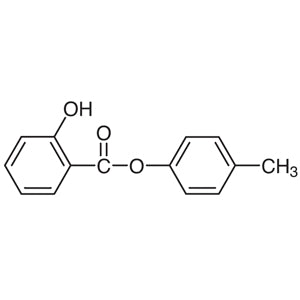
p-TolylSalicylate TCI S0018
Regular price Rp 1.803.900,00Regular price -
PhenylSalicylate TCI S0017
Regular price From Rp 505.050,00Regular price -
MethylSalicylate TCI S0015
Regular price From Rp 452.550,00Regular price -
IsopropylSalicylate TCI S0014
Regular price Rp 1.405.950,00Regular price