Isopropyl Salicylate (CAS No. 607-85-2) is an organic compound widely used in chemical and pharmaceutical applications. It serves as a fundamental building block in laboratory settings, particularly in the synthesis of complex molecules. This compound is commonly found in research laboratories where it is utilized for esterification reactions and substitution processes. Its role is critical in the development of new chemical entities and pharmaceutical compounds. Due to its versatility and chemical stability, Isopropyl Salicylate is a key reagent for chemists working on various synthetic pathways.
The chemical properties of Isopropyl Salicylate make it a preferred choice for many laboratory applications. It exhibits good solubility in organic solvents such as ethyl acetate and ethanol, which facilitates its use in diverse reaction conditions. Its stability under specific temperature and pH conditions enhances its reliability in synthetic processes. Additionally, the compound’s aromatic nature and pleasant scent make it suitable for applications beyond chemistry, such as in the cosmetic and fragrance industries. These characteristics contribute to its widespread use in both academic and industrial research environments.
In Indonesian laboratories, Isopropyl Salicylate is a vital component for chemical research, especially in pharmacology and organic synthesis. It is frequently employed in studies aimed at developing new drugs or modifying existing compounds to enhance their efficacy and safety. Its availability and chemical properties make it an essential material for researchers working on pharmaceutical and chemical projects. The compound’s role in laboratory settings underscores its importance in advancing scientific knowledge and innovation.
Related TCI products
- TCI T2278 118-56-9 3,3,5-Trimethylcyclohexyl Salicylate (cis- and trans- mixture)
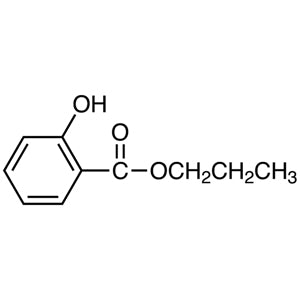
- TCI S0441 607-90-9 Propyl Salicylate
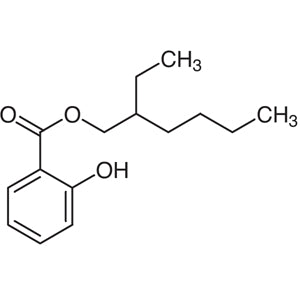
- TCI S0387 118-60-5 2-Ethylhexyl Salicylate
- TCI S0015 119-36-8 Methyl Salicylate
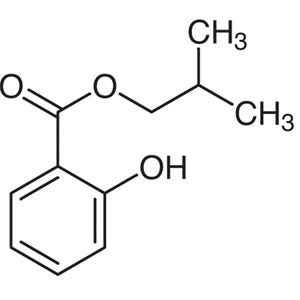
- TCI S0013 87-19-4 Isobutyl Salicylate
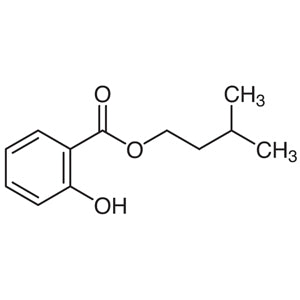
- TCI S0012 87-20-7 Isoamyl Salicylate (contains 2-Methylbutyl Salicylate)
- Pharmaceutical Research – Isopropyl Salicylate is used in drug development for its chemical versatility and ability to participate in esterification reactions.
- Organic Synthesis – This compound is a key reagent in the synthesis of complex organic molecules due to its stability and reactivity.
- Cosmetic Formulation – Its aromatic properties make it suitable for use in fragrance and cosmetic products, particularly in perfumery.
- Analytical Chemistry – It serves as a standard compound for calibration and identification in analytical procedures.
- Environmental Testing – Its chemical stability and solubility make it useful in environmental studies for detecting and analyzing organic pollutants.
| Brand | — |
|---|---|
| CAS number | — |
| Molecular formula | — |
| Purity | — |
| Category | — |
| Pack sizes | — |
| Physical form | — |
| Storage | — |
- Brand – TCI
- CAS Number – 607-85-2
- Category – Chemistry > Building Blocks > Non-Heterocyclic Building Blocks
- Pack Sizes – Available in various quantities as per standard laboratory supply
- Physical Form – Liquid
- Storage Note – Store in a cool, dry place away from direct sunlight
Isopropyl Salicylate should be stored in a cool, dry environment to maintain its chemical stability. It is recommended to keep the compound in a tightly sealed container to prevent exposure to air and moisture. Due to its organic nature, it should be stored away from incompatible materials such as strong oxidizing agents. Proper labeling of containers is essential for safe handling and to prevent accidental exposure. Laboratory personnel should wear appropriate personal protective equipment when handling this compound. Regular monitoring of storage conditions ensures the integrity and safety of the material during long-term use.
—
Produk Terkait
-
3,3,5-TrimethylcyclohexylSalicylate(cis-andtrans-mixture) TCI T2278
Regular price From Rp 664.650,00Regular price -
PropylSalicylate TCI S0441
Regular price Rp 2.094.750,00Regular price -
2-EthylhexylSalicylate TCI S0387
Regular price From Rp 903.000,00Regular price -
MethylSalicylate TCI S0015
Regular price From Rp 452.550,00Regular price -
IsobutylSalicylate TCI S0013
Regular price From Rp 505.050,00Regular price -
IsoamylSalicylate(contains2-MethylbutylSalicylate) TCI S0012
Regular price From Rp 505.050,00Regular price -
ButylSalicylate TCI S0010
Regular price From Rp 689.850,00Regular price -
PhenethylSalicylate TCI P2165
Regular price Rp 848.400,00Regular price