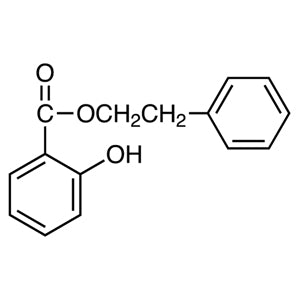
Phenethyl Salicylate (CAS 87-22-9) is an organic compound widely used in chemical reactions for the synthesis of complex molecules. As a key building block in organic chemistry, it plays a crucial role in various laboratory processes, particularly in the development of aromatic compounds and derivatives of salicylic acid. This compound is essential for researchers aiming to create new substances with specific biological activities. Its versatility makes it a valuable tool in both academic and industrial research settings.
Phenethyl Salicylate is known for its chemical stability and reactivity under different reaction conditions. It is a colorless solid with a distinctive aroma, making it easy to identify and handle. Its solubility in organic solvents enhances its usability in purification and reaction processes. The compound’s ability to withstand various reaction conditions ensures consistent results in laboratory experiments. These properties make it a preferred choice for chemists and researchers working on complex synthetic pathways.
In Indonesian laboratories, Phenethyl Salicylate is commonly used in organic chemistry, pharmaceutical research, and cosmetic industries. Its applications span from drug development to the formulation of fragrance compounds. Due to its stability and reactivity, it is a staple in both academic and industrial laboratories, supporting a wide range of chemical investigations and product development efforts.
Related TCI products
- Organic synthesis applications benefit from Phenethyl Salicylate’s reactivity and structural versatility, enabling the creation of complex aromatic compounds.
- Pharmaceutical research utilizes this compound for the development of new drugs with specific biological activities, leveraging its chemical stability.
- Cosmetic formulation processes rely on its solubility and fragrance properties, making it ideal for creating aromatic and therapeutic products.
- Analytical chemistry experiments use Phenethyl Salicylate as a standard reference material for accurate chemical identification and quantification.
- Industrial chemical processes incorporate it as a building block for producing derivatives of salicylic acid and other aromatic compounds.
| Brand | TCI |
|---|---|
| CAS number | 87-22-9 |
| Molecular formula | — |
| Purity | — |
| Category | Chemistry > Building Blocks > Non-Heterocyclic Building Blocks |
| Pack sizes | Available in standard laboratory quantities as per supplier specifications |
| Physical form | Solid |
| Storage | Store in a cool, dry place away from direct sunlight |
Phenethyl Salicylate should be stored in a cool, dry environment to maintain its chemical stability. It is recommended to keep the compound in airtight containers to prevent moisture absorption and contamination. Due to its aromatic nature, it should be handled in a well-ventilated area to avoid inhalation of vapors. While it is generally stable, it is advisable to avoid prolonged exposure to high temperatures or direct sunlight. Proper labeling and storage conditions ensure the compound remains effective for use in laboratory applications. Always follow standard laboratory safety protocols when handling this material.
—
Produk Terkait
-
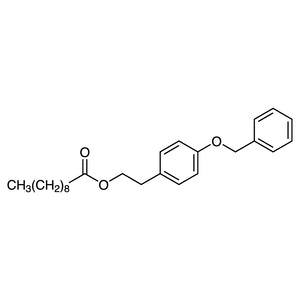
4-(Benzyloxy)phenethylDecanoate TCI D6128
Regular price Rp 1.353.450,00Regular price -
3,3,5-TrimethylcyclohexylSalicylate(cis-andtrans-mixture) TCI T2278
Regular price From Rp 664.650,00Regular price -
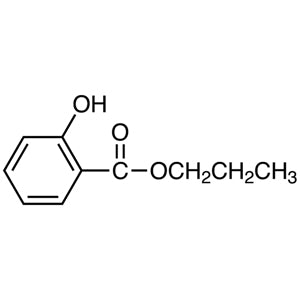
PropylSalicylate TCI S0441
Regular price Rp 2.094.750,00Regular price -
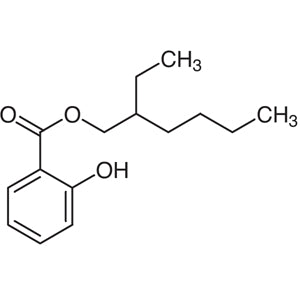
2-EthylhexylSalicylate TCI S0387
Regular price From Rp 903.000,00Regular price -
MethylSalicylate TCI S0015
Regular price From Rp 452.550,00Regular price -
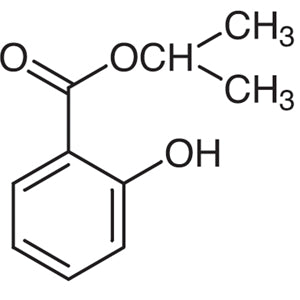
IsopropylSalicylate TCI S0014
Regular price Rp 1.405.950,00Regular price -
IsobutylSalicylate TCI S0013
Regular price From Rp 505.050,00Regular price -
IsoamylSalicylate(contains2-MethylbutylSalicylate) TCI S0012
Regular price From Rp 505.050,00Regular price