Butyl Salicylate is a chemical compound widely used in laboratory settings, particularly in organic synthesis and chemical formulation processes. As a key building block in chemistry, it plays a crucial role in the development of compounds with specific biological activities. Its simple molecular structure contributes to its versatility in various chemical reactions. This compound is commonly employed as a precursor in the production of substances with anti-inflammatory or antimicrobial properties. Its chemical stability and solubility in organic solvents make it an essential material for researchers seeking reliable and reactive reagents.
The chemical properties of Butyl Salicylate, including its stability and solubility, make it a preferred choice for laboratory applications. It is compatible with a wide range of solvents, which simplifies its integration into different synthetic pathways. Its consistent performance and predictable behavior in chemical reactions ensure reproducibility in experiments. Additionally, its pleasant aroma adds value in applications where sensory properties are important, such as in cosmetic and pharmaceutical formulations. These characteristics make it a reliable and versatile reagent for both academic and industrial research.
In Indonesian laboratories, Butyl Salicylate is extensively used in chemical research, especially in the fields of pharmacy and cosmetics. It is a fundamental component in the development of new products, including pharmaceuticals and personal care items. Its availability and compliance with international quality standards make it a trusted material for researchers. The compound’s role in both academic and industrial settings underscores its importance in the chemical industry within Indonesia.
- Organic synthesis is a primary application where Butyl Salicylate is used to create complex molecules with specific biological activities.
- Pharmaceutical research benefits from Butyl Salicylate due to its role in developing anti-inflammatory and antimicrobial compounds.
- Cosmetic formulation relies on Butyl Salicylate for its pleasant aroma and solubility, making it ideal for fragrance and skin care products.
- Analytical chemistry uses Butyl Salicylate as a standard reference material for spectroscopic and chromatographic analyses.
- Industrial chemical production incorporates Butyl Salicylate as a key intermediate in the manufacturing of specialty chemicals and fine chemicals.
| Brand | TCI |
|---|---|
| CAS number | 2052-14-4 |
| Molecular formula | — |
| Purity | — |
| Category | Chemistry > Building Blocks > Non-Heterocyclic Building Blocks |
| Pack sizes | Available in various quantities to meet different laboratory needs |
| Physical form | Liquid |
| Storage | Store in a cool, dry place away from direct sunlight |
Butyl Salicylate should be stored in a cool, dry environment to maintain its chemical stability and prevent degradation. It is recommended to keep the compound in tightly sealed containers to minimize exposure to air and moisture. Due to its solubility in organic solvents, it should be stored away from incompatible materials to avoid potential chemical interactions. In laboratory settings, proper ventilation is essential when handling this compound to ensure safe working conditions. Always use appropriate personal protective equipment, such as gloves and safety goggles, to prevent direct contact with the skin or eyes. Regular inspection of storage containers is advised to ensure their integrity and prevent any accidental spills or leaks.
—
Produk Terkait
-
3,3,5-TrimethylcyclohexylSalicylate(cis-andtrans-mixture) TCI T2278
Regular price From Rp 664.650,00Regular priceRp 464.100,00Sale price From Rp 664.650,00 -
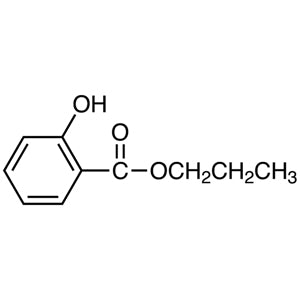
PropylSalicylate TCI S0441
Regular price Rp 2.094.750,00Regular priceRp 1.464.750,00Sale price Rp 2.094.750,00 -
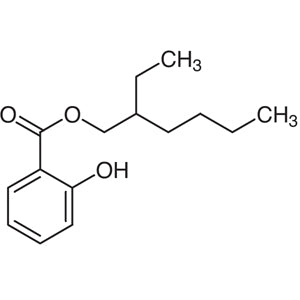
2-EthylhexylSalicylate TCI S0387
Regular price From Rp 903.000,00Regular priceRp 631.050,00Sale price From Rp 903.000,00 -
MethylSalicylate TCI S0015
Regular price From Rp 452.550,00Regular priceRp 316.050,00Sale price From Rp 452.550,00 -
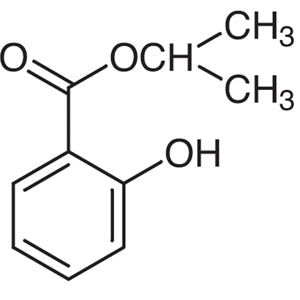
IsopropylSalicylate TCI S0014
Regular price Rp 1.405.950,00Regular priceRp 982.800,00Sale price Rp 1.405.950,00 -
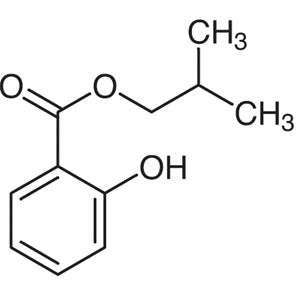
IsobutylSalicylate TCI S0013
Regular price From Rp 505.050,00Regular priceRp 352.800,00Sale price From Rp 505.050,00 -
IsoamylSalicylate(contains2-MethylbutylSalicylate) TCI S0012
Regular price From Rp 505.050,00Regular priceRp 352.800,00Sale price From Rp 505.050,00 -
PhenethylSalicylate TCI P2165
Regular price Rp 848.400,00Regular priceRp 593.250,00Sale price Rp 848.400,00