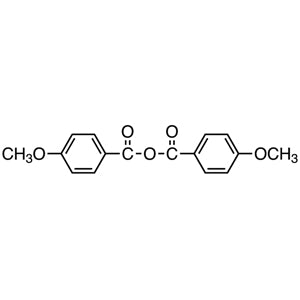
TCI M1973 4-Methoxybenzoic Anhydride is a symmetrical carboxylic acid anhydride built from two 4-methoxybenzoic acid units, also known as anisoyl anhydride. In organic synthesis laboratories, this compound serves as an acylation reagent that transfers the 4-methoxybenzoyl group to nucleophiles such as alcohols, amines, or phenols. Having a ready-to-use anhydride on hand saves working steps, because chemists do not need to activate a carboxylic acid beforehand with a coupling reagent. The synthetic route therefore becomes more concise, and handling is simpler than working with the far more aggressive acid chlorides.
The characteristic that makes this reagent a preferred choice is its moderate acylation reactivity, which makes reactions easier to control. The methoxy group is electron-donating and reduces the aggressiveness of the carbonyl centre compared with unsubstituted aromatic anhydrides, an advantage when the substrate contains other sensitive functional groups. As a solid, this reagent is generally more convenient to weigh out and store than liquid acid chlorides, which release acidic fumes. The 4-methoxybenzoyl group installed on the product is also useful because it adds chromophore absorption, aiding detection.
In Indonesian laboratories, this type of reagent is typically used in organic synthesis and building-block work, where the 4-methoxybenzoyl fragment is introduced into a target molecule as part of a multi-step route. Research groups in universities, as well as chemistry and pharmaceutical development laboratories, generally prefer a solid acylating reagent of this kind because it is easier to weigh, store, and handle in a standard fume hood than corrosive liquid alternatives.
Related TCI products
- TCI B5262 101084-39-3 3-Bromo-2-methoxybenzoic Acid
- TCI B4741 2476-35-9 5-Bromo-2-methoxybenzoic Acid
- TCI B3846 22921-68-2 2-Bromo-5-methoxybenzoic Acid
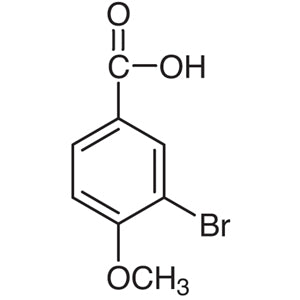
- TCI B3336 99-58-1 3-Bromo-4-methoxybenzoic Acid
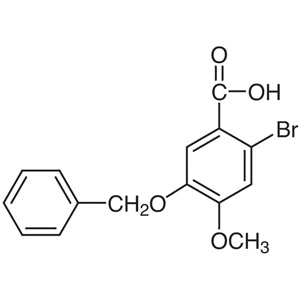
- TCI B3332 24958-42-7 5-Benzyloxy-2-bromo-4-methoxybenzoic Acid
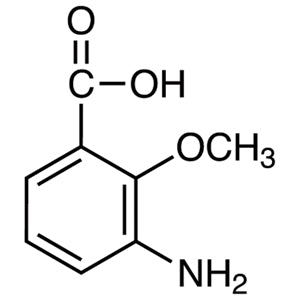
- TCI A2938 861306-04-9 3-Amino-2-methoxybenzoic Acid
- Acylation of alcohols and phenols: the anhydride transfers the 4-methoxybenzoyl group directly to the hydroxyl nucleophile without requiring a separate carboxylic acid activation step beforehand.
- Amide formation from amines: reaction with primary or secondary amines yields the corresponding 4-methoxybenzamide, with moderate reactivity that keeps the transformation controllable on sensitive substrates.
- Building-block synthesis: the reagent installs a 4-methoxybenzoyl fragment into target molecules as part of a multi-step organic synthesis route in research work.
- Chromophore introduction: the 4-methoxybenzoyl group attached to the product adds chromophore absorption, which assists detection of the derivative during analytical monitoring.
- Selective derivatisation of multifunctional substrates: the electron-donating methoxy group tempers the carbonyl centre, which is advantageous when other sensitive functional groups are present.
| Brand | TCI |
|---|---|
| CAS number | 794-94-5 |
| Molecular formula | — |
| Purity | — |
| Category | Chemistry > Building Blocks > Non-Heterocyclic Building Blocks |
| Pack sizes | available in the manufacturer's standard catalogue pack sizes; please confirm the available option when ordering. |
| Physical form | solid |
| Storage | keep in a tightly closed container, protected from moisture, in accordance with the manufacturer's instructions on the product label. |
Store this reagent in its original, tightly closed container in a cool, dry place, away from moisture, since carboxylic acid anhydrides are sensitive to hydrolysis. Keep the container away from water sources, and close it immediately after weighing to limit exposure to humid air. Handle the solid inside a fume hood, using gloves, safety glasses, and a laboratory coat, and avoid contact with skin, eyes, and inhalation of dust. Keep it separate from incompatible materials such as strong bases, amines, alcohols, and oxidising agents. Always consult the manufacturer's safety data sheet before use, and follow local institutional rules for chemical waste disposal.
—
Produk Terkait
-
3-Bromo-2-methoxybenzoicAcid TCI B5262
Regular price From Rp 928.200,00Regular price -
5-Bromo-2-methoxybenzoicAcid TCI B4741
Regular price From Rp 584.850,00Regular price -
2-Bromo-5-methoxybenzoicAcid TCI B3846
Regular price From Rp 610.050,00Regular price -
3-Bromo-4-methoxybenzoicAcid TCI B3336
Regular price From Rp 769.650,00Regular price -
5-Benzyloxy-2-bromo-4-methoxybenzoicAcid TCI B3332
Regular price From Rp 2.386.650,00Regular price -
3-Amino-2-methoxybenzoicAcid TCI A2938
Regular price From Rp 1.565.550,00Regular price -
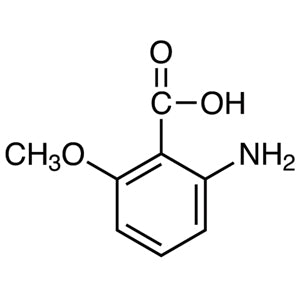
2-Amino-6-methoxybenzoicAcid TCI A2847
Regular price From Rp 2.942.100,00Regular price -
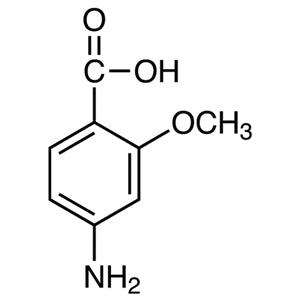
4-Amino-2-methoxybenzoicAcid TCI A2840
Regular price From Rp 505.050,00Regular price