


TCI M2030 26131-32-8, known as Methyl 2,5-Bis(trifluoromethyl)-3,6-dioxaundecafluorononanoate (mixture of isomers), is a fluorinated building block used in advanced chemical applications. This compound is a complex fluorinated molecule that plays a crucial role in the synthesis of organofluorine compounds. Its unique molecular structure makes it a valuable resource for researchers aiming to develop materials with specific chemical properties. Due to its fluorine content, it exhibits high stability and controlled reactivity, which are essential for precise chemical synthesis.
The compound’s high fluorine content contributes to its chemical stability and controlled reactivity, making it a preferred choice in specialized chemical research. Its molecular structure allows for versatile applications in the development of compounds with unique properties, such as heat resistance and chemical inertness. These characteristics are especially important in fields where chemical stability and reactivity control are critical. The compound’s ability to serve as a building block for more complex fluorinated molecules enhances its utility in advanced chemical research.
In Indonesian laboratories, this compound is widely used in scientific research for the development of new compounds with unique properties. It is commonly employed in pharmaceutical and material science research, where its stability and reactivity are key factors. Many research institutions and universities in Indonesia utilize this compound for advanced chemical experiments, particularly in the fields of pharmacology and material science. Its role in synthesizing complex fluorinated compounds makes it an essential tool for researchers in these areas.
TCI brochures (PDF)
- Fluorous Chemistry 2025-01-21 · p. 8
Related TCI products
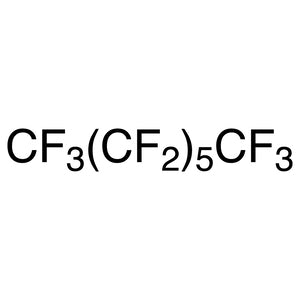
- TCI P0851 335-57-9 Hexadecafluoroheptane (mixture of isomers)
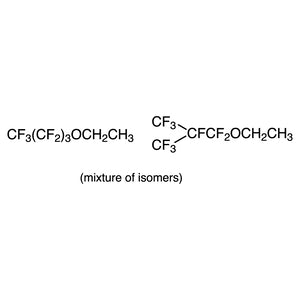
- TCI E0528 813458-04-7 Ethyl Nonafluorobutyl Ether (mixture of isomers)
- TCI T3678 56287-83-3 3-(Trifluoromethyl)cyclohexylamine (cis- and trans- mixture)
- TCI T3613 58665-70-6 4-(Trifluoromethyl)cyclohexylamine (cis- and trans- mixture)
- TCI T2896 361393-85-3 [[4-(Trifluoromethyl)cyclohexyl]methyl]amine (cis- and trans- mixture)
- TCI T2885 883731-58-6 4-(Trifluoromethyl)cyclohexanemethanol (cis- and trans- mixture)
- Advanced Organic Synthesis: This compound is ideal for creating complex fluorinated molecules due to its stable structure and controlled reactivity, enabling precise chemical modifications.
- Pharmaceutical Research: Its fluorine content enhances the stability and bioavailability of drug candidates, making it valuable in drug development processes.
- Material Science Development: The compound's resistance to heat and chemical degradation makes it suitable for synthesizing advanced materials with enhanced durability.
- Fluorinated Compound Synthesis: It serves as a foundational building block for producing various fluorinated compounds with tailored properties for specific applications.
- Research in Chemical Stability: Its high stability allows researchers to study the behavior of fluorinated compounds under different chemical conditions.
| Brand | TCI |
|---|---|
| CAS number | 26131-32-8 |
| Molecular formula | — |
| Purity | — |
| Category | Chemistry > Building Blocks > Fluorinated Building Blocks |
| Pack sizes | Available in various quantities as per standard laboratory supply |
| Physical form | Liquid |
| Storage | Store in a cool, dry place away from light and moisture |
This compound should be stored in a cool, dry place, away from direct light and moisture to maintain its stability and prevent degradation. It is recommended to use airtight containers made of glass or high-density polyethylene to ensure containment and prevent contamination. Due to its fluorinated nature, it is important to handle the compound with appropriate personal protective equipment, including gloves and safety goggles, to avoid direct contact. In laboratory settings, it should be stored separately from incompatible materials to ensure safety. Proper labeling and storage conditions are essential to maintain the compound’s integrity and ensure safe handling during experiments.
—
Produk Terkait
-
Hexadecafluoroheptane(mixtureofisomers) TCI P0851
Regular price Rp 955.500,00Regular price -
EthylNonafluorobutylEther(mixtureofisomers) TCI E0528
Regular price From Rp 1.035.300,00Regular price -
3-(Trifluoromethyl)cyclohexylamine(cis-andtrans-mixture) TCI T3678
Regular price From Rp 1.936.200,00Regular price -
4-(Trifluoromethyl)cyclohexylamine(cis-andtrans-mixture) TCI T3613
Regular price From Rp 1.246.350,00Regular price -
[[4-(Trifluoromethyl)cyclohexyl]methyl]amine(cis-andtrans-mixture) TCI T2896
Regular price Rp 1.431.150,00Regular price -
4-(Trifluoromethyl)cyclohexanemethanol(cis-andtrans-mixture) TCI T2885
Regular price Rp 3.949.050,00Regular price -
4-(Trifluoromethyl)cyclohexanol(cis-andtrans-mixture) TCI T2706
Regular price Rp 4.347.000,00Regular price -
4-(Trifluoromethyl)cyclohexanecarboxylicAcid(cis-andtrans-mixture) TCI T2417
Regular price From Rp 664.650,00Regular price


![361393-85-3 [[4-(Trifluoromethyl)cyclohexyl]methyl]amine (cis- and trans- mixture) - AMI Scientific](http://amiscientific.com/cdn/shop/files/TCI2510T2896.jpg?v=1768363497&width=533)


