TCI M2126 Methyl 5-Chloropyrazine-2-carboxylate is a heterocyclic building block based on a pyrazine ring that carries two reactive functional groups at opposing positions: a methyl ester at position 2 and a chlorine atom at position 5. Pyrazine is a symmetrical, strongly electron-deficient diazine, and this scaffold is widely encountered in pharmaceutical compounds, agrochemical materials, and molecules with specialised electronic properties. In the synthetic laboratory, this compound serves as a practical starting point for constructing doubly substituted pyrazine derivatives through two reaction pathways that can be executed in sequence.
The property that makes this material a preferred choice is the complementary reactivity of its two functional groups. The electron-poor pyrazine ring strongly activates the chlorine atom toward nucleophilic aromatic substitution, allowing amines, alkoxides, or thiols to be installed at position 5 without requiring a metal catalyst. The methyl ester group, meanwhile, is readily hydrolysed to the carboxylic acid, converted to an amide through direct aminolysis, or reduced to the alcohol. The chlorine atom can also be employed as a partner in palladium-catalysed cross-coupling reactions, so that a single starting material opens several divergent routes.
In Indonesian laboratories, this building block is typically used in academic and industrial synthetic chemistry settings where substituted pyrazine derivatives are prepared on a research or development scale. It is appropriate for medicinal chemistry groups exploring heterocyclic scaffolds, for agrochemical research programmes, and for university laboratories teaching or investigating nucleophilic aromatic substitution and ester transformation chemistry. Supplied under the TCI brand, it is normally handled in standard fume-hood conditions using conventional glassware and anhydrous technique where the intended reaction requires it.
Related TCI products
- Nucleophilic aromatic substitution studies: the electron-deficient pyrazine ring activates the 5-chloro position so amines, alkoxides, and thiols can be installed without any metal catalyst present.
- Palladium-catalysed cross-coupling chemistry: the chlorine atom functions as a coupling partner, allowing carbon–carbon bond formation at position 5 to build extended pyrazine frameworks.
- Medicinal chemistry scaffold preparation: the pyrazine core appears frequently in pharmaceutical compounds, making this a convenient entry point for preparing substituted analogue libraries.
- Carboxylic acid and amide synthesis: the methyl ester is readily hydrolysed to the free acid or converted directly to amides through straightforward aminolysis procedures.
- Agrochemical and functional materials research: the pyrazine scaffold occurs in agrochemical actives and in molecules designed for specialised electronic properties requiring electron-poor aromatic rings.
| Brand | TCI |
|---|---|
| CAS number | 33332-25-1 |
| Molecular formula | — |
| Purity | — |
| Category | Chemistry > Building Blocks > Heterocyclic Building Blocks |
| Pack sizes | available in standard TCI research-scale packaging; please confirm the required size when ordering. |
| Physical form | — |
| Storage | store in a tightly closed container in a cool, dry, well-ventilated place away from incompatible materials. |
- Product code: M2126
Store this product in its original tightly closed container in a cool, dry, and well-ventilated area, protected from direct sunlight, moisture, and sources of ignition. Amber glass bottles or the manufacturer's supplied packaging are suitable for keeping the material dry and shielded from light. Handle all weighing and transfer operations inside a properly functioning fume hood, wearing safety goggles, chemical-resistant gloves, and a laboratory coat. Avoid inhalation of dust and contact with skin or eyes. Keep the compound separated from strong oxidising agents, strong bases, and sources of moisture that may promote ester hydrolysis. Always consult the manufacturer's safety data sheet before use, and dispose of residues and contaminated materials through an approved chemical waste route.
—
Produk Terkait
-
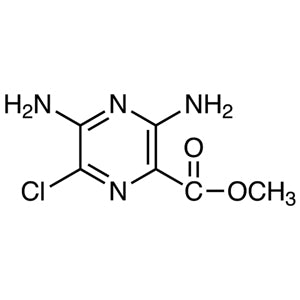
Methyl3,5-Diamino-6-chloropyrazine-2-carboxylate TCI M2322
Regular price From Rp 1.115.100,00Regular price -
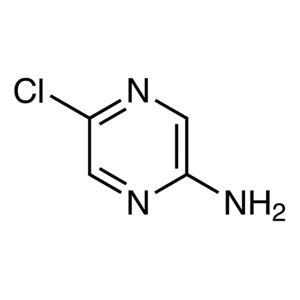
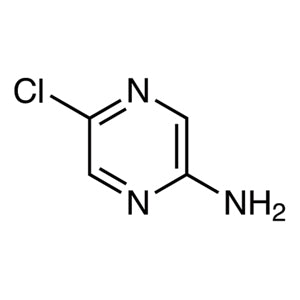
2-Amino-5-chloropyrazine TCI A2790
Regular price From Rp 1.087.800,00Regular price -
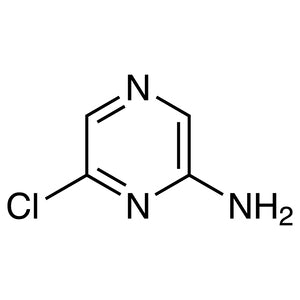
2-Amino-6-chloropyrazine TCI A2145
Regular price Rp 823.200,00Regular price -
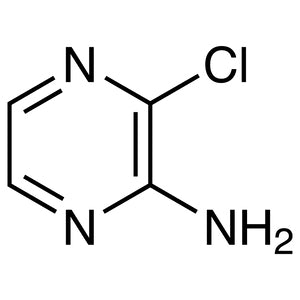
2-Amino-3-chloropyrazine TCI A2143
Regular price From Rp 477.750,00Regular price -
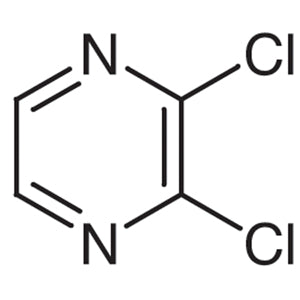
2,3-Dichloropyrazine TCI D3061
Regular price From Rp 769.650,00Regular price -
2,6-Dichloropyrazine TCI D1867
Regular price From Rp 1.458.450,00Regular price -
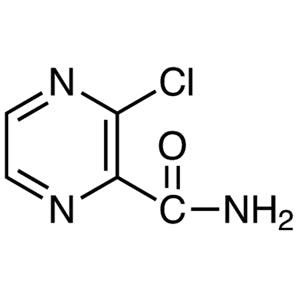
3-Chloropyrazine-2-carboxamide TCI C3376
Regular price From Rp 717.150,00Regular price -
5-Chloropyrazine-2-carboxylicAcid TCI C3002
Regular price Rp 1.696.800,00Regular price