3-Methoxy-2-methylbenzoic Acid is a chemical compound widely used in organic synthesis reactions. It serves as a fundamental building block in the development of complex molecules, including pharmaceuticals, industrial chemicals, and aromatic compounds. This material is essential in laboratory settings where researchers aim to create new substances through chemical transformations. Its versatility makes it a valuable resource for chemists working on various synthetic pathways.
The compound is known for its solubility in organic solvents such as ethyl acetate and ethanol, which facilitates its use in a variety of reaction conditions. Its chemical stability under specific conditions enhances its reliability in laboratory experiments. The complex molecular structure of 3-Methoxy-2-methylbenzoic Acid contributes to its reactivity, allowing it to participate effectively in substitution and esterification reactions. These properties make it a preferred choice for synthetic chemists.
In Indonesian laboratories, 3-Methoxy-2-methylbenzoic Acid is commonly used in organic chemistry research, particularly in academic institutions, research centers, and pharmaceutical industries. It plays a key role in the synthesis of aromatic compounds and the development of new chemical entities. Its application is integral to the advancement of chemical research and the testing of material properties in various scientific contexts.
Related TCI products
- Organic synthesis of aromatic compounds due to its reactivity and structural versatility.
- Development of pharmaceuticals as a key intermediate in drug molecule construction.
- Industrial chemical production for the creation of complex organic materials.
- Research in chemical engineering for the optimization of synthetic pathways.
- Testing of material properties in analytical chemistry laboratories for functional group analysis.
| Brand | TCI |
|---|---|
| CAS number | 55289-06-0 |
| Molecular formula | — |
| Purity | — |
| Category | Chemistry > Building Blocks > Non-Heterocyclic Building Blocks |
| Pack sizes | Available in standard laboratory quantities |
| Physical form | Solid |
| Storage | Store in a cool, dry place away from moisture and direct sunlight |
This compound should be stored in a cool, dry environment to maintain its chemical stability. It is recommended to use airtight containers to prevent exposure to moisture and air, which could affect its integrity. Proper labeling of storage containers is essential for safety and traceability. In laboratory settings, it should be handled with appropriate personal protective equipment to minimize direct contact. Avoid prolonged exposure to heat or light, as these conditions may alter its properties. Regular inspection of storage conditions ensures the material remains suitable for use in chemical experiments.
—
Produk Terkait
-
4-Methoxy-2-methylbenzoicAcid TCI M2780
Regular price From Rp 955.500,00Regular price -
4-Methoxy-3-methylbenzoicAcid TCI M2728
Regular price Rp 557.550,00Regular price -
3-Methoxy-4-methylbenzoicAcid TCI M1426
Regular price From Rp 1.458.450,00Regular price -
2-Bromo-5-methylbenzoicAcid TCI B4145
Regular price From Rp 1.510.950,00Regular price -
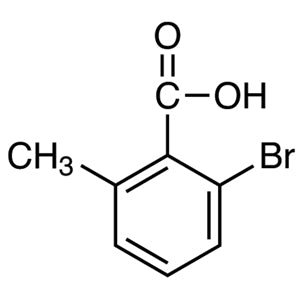
2-Bromo-6-methylbenzoicAcid TCI B4097
Regular price From Rp 1.431.150,00Regular price -
2-Bromo-4-methylbenzoicAcid TCI B3879
Regular price From Rp 795.900,00Regular price -
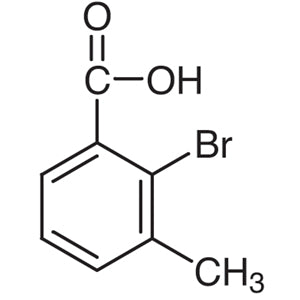
2-Bromo-3-methylbenzoicAcid TCI B3636
Regular price From Rp 769.650,00Regular price -
4-Bromo-2-methylbenzoicAcid TCI B3337
Regular price From Rp 3.260.250,00Regular price