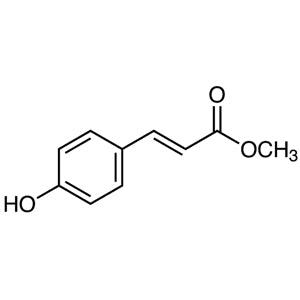
Methyl trans-p-Coumarate is a chemical compound widely used in laboratory settings for the synthesis of complex molecules. As a methylated derivative of trans-p-coumaric acid, it serves as a versatile building block in organic chemistry. Its molecular structure enables it to participate in various chemical reactions, making it an essential reagent for researchers aiming to create compounds with specific functional groups. This compound is particularly valuable in synthetic pathways where controlled chemical transformations are required.
The chemical properties of Methyl trans-p-Coumarate, including its stability and solubility in organic solvents, make it a preferred choice for laboratory applications. It is compatible with multiple reaction types, such as esterification, reduction, and substitution reactions. These characteristics allow it to be used in a wide range of experimental setups, enhancing the efficiency and success rate of chemical syntheses. Its predictable behavior under different reaction conditions also contributes to its reliability in research environments.
In Indonesian laboratories, Methyl trans-p-Coumarate is commonly used in chemical research, pharmaceutical development, and industrial applications. Its availability in local markets ensures that researchers and practitioners have access to this essential compound for their experiments. The compound's role in creating structured molecules makes it a critical component in both academic and applied research settings across Indonesia.
Related TCI products
- Organic synthesis applications benefit from Methyl trans-p-Coumarate due to its ability to participate in esterification and substitution reactions, enabling the creation of complex molecular structures.
- Pharmaceutical research utilizes this compound as a building block for the synthesis of bioactive molecules, supporting drug discovery and development efforts.
- Analytical chemistry laboratories use it as a standard reference material for chromatographic and spectroscopic analyses, ensuring accurate identification and quantification of compounds.
- Industrial chemical processes incorporate Methyl trans-p-Coumarate for the production of specialty chemicals, leveraging its stability and reactivity in large-scale synthesis.
- Environmental studies may employ this compound as a model substance to investigate degradation pathways and chemical behavior in different environmental matrices.
| Brand | TCI |
|---|---|
| CAS number | 19367-38-5 |
| Molecular formula | — |
| Purity | — |
| Category | Chemistry > Building Blocks > Non-Heterocyclic Building Blocks |
| Pack sizes | Available in various quantities to meet different research needs |
| Physical form | Solid or liquid, depending on the specific product variant |
| Storage | Store in a cool, dry place away from direct sunlight and moisture |
Methyl trans-p-Coumarate should be stored in a cool, dry environment to maintain its chemical stability. It is recommended to keep the compound in airtight containers to prevent exposure to moisture and air, which may affect its purity and reactivity. Laboratory personnel should handle the material with appropriate personal protective equipment, such as gloves and safety goggles, to ensure safe handling. The compound is generally non-hazardous under normal conditions but should be stored away from incompatible substances. Proper labeling of storage containers is essential for safety and traceability. Regular monitoring of storage conditions helps maintain the integrity of the compound for reliable experimental results.
—
Produk Terkait
-
trans-4-Bromocinnamaldehyde TCI B4337
Regular price From Rp 1.060.500,00Regular price -
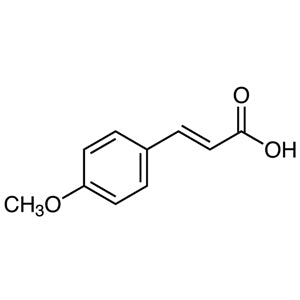
trans-4-MethoxycinnamicAcid TCI M0576
Regular price Rp 1.724.100,00Regular price -
trans-2-MethoxycinnamicAcid TCI M0449
Regular price Rp 2.730.000,00Regular price -
trans-FerulicAcid TCI H0267
Regular price From Rp 1.881.600,00Regular price -
trans-2,5-DichlorocinnamicAcid TCI D3794
Regular price From Rp 1.776.600,00Regular price -
trans-2,3-DimethoxycinnamicAcid TCI D2326
Regular price Rp 8.692.950,00Regular price -
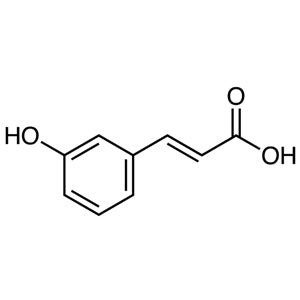
trans-m-CoumaricAcid TCI C0655
Regular price From Rp 795.900,00Regular price -
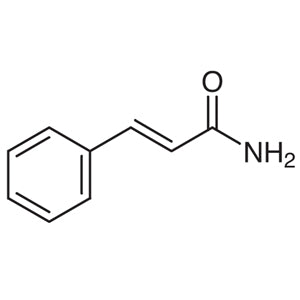
trans-Cinnamamide TCI C0536
Regular price From Rp 1.298.850,00Regular price