4-Methyl-2-(2-methyl-1-propenyl)tetrahydropyran (cis- and trans- mixture) is a versatile chemical compound used as a building block in the synthesis of heterocyclic compounds. This compound plays a crucial role in organic chemistry laboratories, where it is employed to construct complex molecular structures through various chemical reactions. Its unique molecular structure allows for participation in substitution, addition, and ring-opening reactions, making it an essential reagent for researchers working on synthetic pathways.
The compound is valued for its chemical stability under controlled conditions and its reactivity towards environmental factors such as high temperature and humidity. These properties make it suitable for a wide range of chemical transformations, including reactions with acids, bases, and catalysts. Its ability to participate in diverse reactions provides researchers with the flexibility needed to explore new synthetic strategies and develop novel compounds.
In Indonesian laboratories, this compound is commonly used in scientific research and academic settings, particularly in the fields of organic chemistry and pharmaceutical sciences. It is frequently found in projects related to the synthesis of bioactive compounds, contributing to advancements in drug discovery and chemical innovation.
Related TCI products
- TCI M2049 67715-80-4 2-Methyl-4-propyl-1,3-oxathiane (cis- and trans- mixture)
- TCI E0798 121-39-1 Ethyl 3-Phenylglycidate (cis- and trans- mixture)
- TCI D6456 639068-43-2 tert-Butyl 3,5-Dimethylpiperazine-1-carboxylate (cis- and trans- mixture)
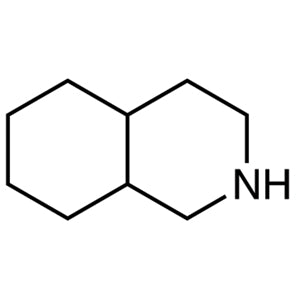
- TCI D5067 6329-61-9 Decahydroisoquinoline (cis- and trans- mixture, predominantly cis-isomer)
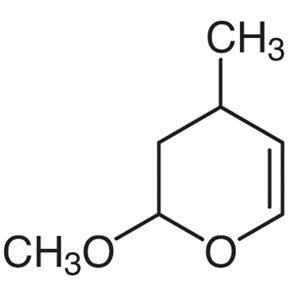
- TCI D2053 53608-95-0 3,4-Dihydro-2-methoxy-4-methyl-2H-pyran (cis- and trans- mixture)
- TCI V0076 22408-41-9 2-Vinyloxytetrahydropyran
- Organic synthesis projects benefit from this compound's ability to participate in various chemical reactions, enabling the construction of complex molecular structures.
- Pharmaceutical research utilizes this compound as a building block for the development of bioactive molecules and drug candidates.
- Academic laboratories use it in teaching and research to demonstrate heterocyclic chemistry and synthetic methodologies.
- Industrial chemical processes incorporate it for the production of specialty chemicals and intermediates.
- Analytical chemistry applications leverage its reactivity for the development of new analytical methods and reaction conditions.
| Brand | TCI |
|---|---|
| CAS number | 16409-43-1 |
| Molecular formula | — |
| Purity | — |
| Category | Chemistry > Building Blocks > Heterocyclic Building Blocks |
| Pack sizes | Available in various quantities as per standard laboratory supply |
| Physical form | Liquid |
| Storage | Store in a cool, dry place away from direct sunlight and moisture |
This compound should be stored in a cool, dry environment, away from direct sunlight and moisture to maintain its chemical stability. It is recommended to use airtight containers made of glass or polyethylene to prevent exposure to air and contaminants. Laboratory personnel should handle the compound with appropriate personal protective equipment, including gloves and safety goggles, to minimize direct contact. Due to its reactivity, it should be stored separately from strong acids, bases, and oxidizing agents. Regular monitoring of storage conditions is advised to ensure the compound remains in optimal condition for use in research applications.
—
Produk Terkait
-
2-Methyl-4-propyl-1,3-oxathiane(cis-andtrans-mixture) TCI M2049
Regular price Rp 2.279.550,00Regular priceRp 1.609.650,00Sale price Rp 2.279.550,00 -
Ethyl3-Phenylglycidate(cis-andtrans-mixture) TCI E0798
Regular price Rp 530.250,00Regular priceRp 386.400,00Sale price Rp 530.250,00 -
tert-Butyl3,5-Dimethylpiperazine-1-carboxylate(cis-andtrans-mixture) TCI D6456
Regular price From Rp 1.510.950,00Regular priceRp 1.072.050,00Sale price From Rp 1.510.950,00 -
Decahydroisoquinoline(cis-andtrans-mixture,predominantlycis-isomer) TCI D5067
Regular price From Rp 3.127.950,00Regular priceRp 2.202.900,00Sale price From Rp 3.127.950,00 -
3,4-Dihydro-2-methoxy-4-methyl-2H-pyran(cis-andtrans-mixture) TCI D2053
Regular price Rp 2.332.050,00Regular priceRp 1.646.400,00Sale price Rp 2.332.050,00 -
2-Vinyloxytetrahydropyran TCI V0076
Regular price Rp 7.446.600,00Regular priceRp 5.222.700,00Sale price Rp 7.446.600,00 -
Tetrahydropyran-4-methanol TCI T2965
Regular price From Rp 1.908.900,00Regular priceRp 1.350.300,00Sale price From Rp 1.908.900,00 -
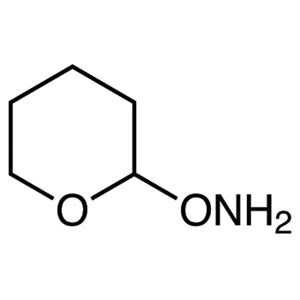
O-(Tetrahydropyran-2-yl)hydroxylamine TCI T2598
Regular price From Rp 1.431.150,00Regular priceRp 1.016.400,00Sale price From Rp 1.431.150,00