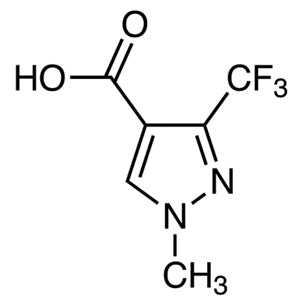
1-Methyl-3-(trifluoromethyl)pyrazole-4-carboxylic Acid is a specialized chemical compound used as a building block in the synthesis of complex organic molecules. This compound plays a crucial role in laboratory settings where the development of new compounds with specific chemical or biological properties is required. Its unique molecular structure, containing both a trifluoromethyl group and a pyrazole ring, makes it a valuable tool for chemists and researchers. Due to its high reactivity and stability, it is widely used in various chemical reactions and functional group modifications.
The compound's properties, including the presence of highly electronegative fluorine atoms, contribute to its reactivity and polarity, making it an ideal candidate for fluorinated compound synthesis. The pyrazole ring provides structural stability, which enhances its utility in controlled chemical manipulations. These characteristics make it a preferred choice for researchers aiming to design and develop novel compounds with tailored properties. Its versatility and chemical behavior support its application in both academic and industrial research environments.
In Indonesian laboratories, this compound is commonly used in chemical and pharmaceutical research. It is essential for the development of new drugs, industrial chemicals, and advanced materials. Institutions and research centers in Indonesia rely on this compound for various experimental purposes, including the synthesis of bioactive compounds and the exploration of new chemical pathways. Its availability and reliability make it a key component in the scientific toolkit of Indonesian researchers.
TCI brochures (PDF)
- Fluorination Reagents, Fluorinated Building Blocks 2026-03-18 · p. 49
Related TCI products
- TCI T3076 52222-73-8 4-(Trifluoromethyl)pyrazole
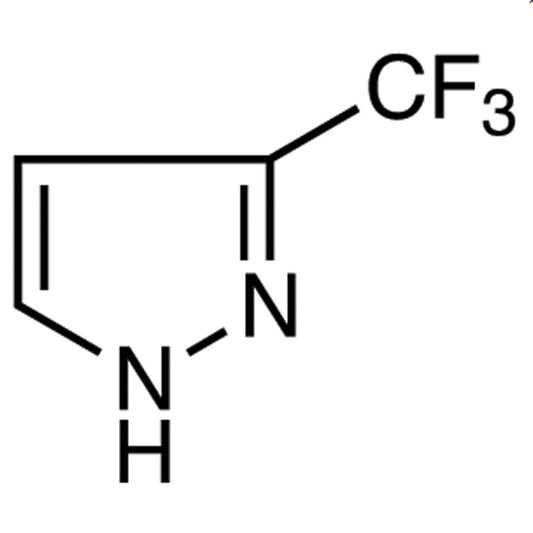
- TCI T2765 20154-03-4 3-(Trifluoromethyl)pyrazole
- TCI B4770 60061-68-9 4-Bromo-3-methyl-5-(trifluoromethyl)pyrazole
- TCI B4762 14704-41-7 3,5-Bis(trifluoromethyl)pyrazole
- TCI A3230 120068-79-3 5-Amino-1-[2,6-dichloro-4-(trifluoromethyl)phenyl]-1H-pyrazole-3-carbonitrile
- TCI P1756 4027-54-7 5-Phenyl-3-(trifluoromethyl)-1H-pyrazole
- Organic synthesis applications benefit from this compound due to its reactivity and structural versatility, enabling the creation of complex molecular frameworks.
- Pharmaceutical research utilizes this compound for the development of bioactive molecules, as its fluorinated structure can enhance drug efficacy and stability.
- Material science studies incorporate this compound to explore new fluorinated materials with unique physical and chemical properties.
- Academic research in chemistry leverages this compound for teaching and experimental purposes, supporting both theoretical and practical learning.
- Industrial chemical development requires this compound for the production of specialized fluorinated compounds used in various commercial applications.
| Brand | TCI |
|---|---|
| CAS number | 113100-53-1 |
| Molecular formula | — |
| Purity | — |
| Category | Chemistry > Building Blocks > Fluorinated Building Blocks |
| Pack sizes | Available in various quantities as per supplier specifications |
| Physical form | Solid, as per standard chemical product description |
| Storage | Store in a cool, dry place away from light and moisture |
This compound should be stored in a cool, dry environment, away from direct light and moisture to maintain its chemical integrity. It is recommended to use airtight containers to prevent exposure to humidity and air, which could affect its stability. Due to its fluorinated nature, it is important to handle it with care, using appropriate personal protective equipment such as gloves and safety goggles. In laboratory settings, it should be stored separately from incompatible substances to avoid any potential chemical reactions. Proper labeling and storage conditions are essential to ensure safe handling and long-term usability. Always follow standard laboratory safety protocols when working with this compound.
—
Produk Terkait
-
4-(Trifluoromethyl)pyrazole TCI T3076
Regular price From Rp 1.961.400,00Regular price -
3-(Trifluoromethyl)pyrazole TCI T2765
Regular price From Rp 903.000,00Regular price -
4-Bromo-3-methyl-5-(trifluoromethyl)pyrazole TCI B4770
Regular price Rp 1.458.450,00Regular price -
3,5-Bis(trifluoromethyl)pyrazole TCI B4762
Regular price From Rp 1.405.950,00Regular price -
5-Amino-1-[2,6-dichloro-4-(trifluoromethyl)phenyl]-1H-pyrazole-3-carbonitrile TCI A3230
Regular price From Rp 795.900,00Regular price -
5-Phenyl-3-(trifluoromethyl)-1H-pyrazole TCI P1756
Regular price From Rp 980.700,00Regular price -
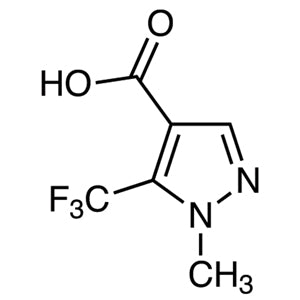
1-Methyl-5-(trifluoromethyl)pyrazole-4-carboxylicAcid TCI M2753
Regular price From Rp 1.458.450,00Regular price -
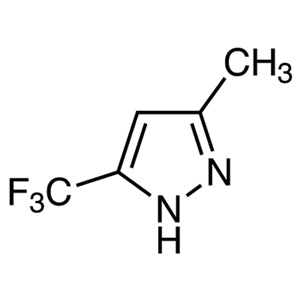
3-Methyl-5-(trifluoromethyl)pyrazole TCI M2032
Regular price From Rp 637.350,00Regular price




![120068-79-3 5-Amino-1-[2,6-dichloro-4-(trifluoromethyl)phenyl]-1H-pyrazole-3-carbonitrile - AMI Scientific](http://amiscientific.com/cdn/shop/files/TCI2510A3230.jpg?v=1769141482&width=533)