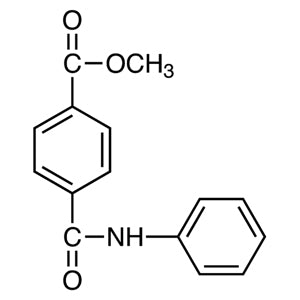
Methyl 4-(Phenylcarbamoyl)benzoate is a chemical compound widely used in organic synthesis reactions. It serves as a key building block in the development of complex molecules, particularly in pharmaceutical and organic chemistry research. This compound is essential for creating molecules with specific structural features that exhibit defined biological activities. In laboratory settings, it plays a crucial role in constructing larger molecular structures, such as pharmaceuticals and industrial chemicals, by acting as a foundational element in synthetic pathways.
The compound's stability and controlled reactivity make it a preferred choice for laboratory applications. Its chemical and physical properties allow it to participate in various reactions, including esterification, hydrolysis, and substitution reactions. The predictable behavior under specific conditions ensures reliable results in synthetic processes. Additionally, its ability to form stable intermediates enhances its utility in multi-step synthesis strategies. These characteristics make it a versatile reagent for chemists working on diverse projects.
In Indonesian laboratories, Methyl 4-(Phenylcarbamoyl)benzoate is commonly used in organic chemistry research, drug development, and molecular structure studies. It is a fundamental component in experiments requiring precision and controlled reactivity. Many research institutions and universities rely on this compound as a starting material for experiments that demand accuracy and reproducibility. Its role in advancing scientific understanding and innovation is well-recognized in the local scientific community.
Related TCI products
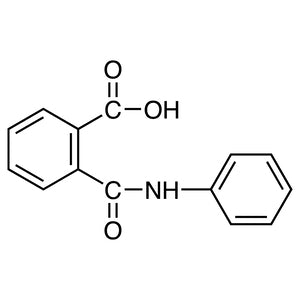
- TCI P2941 4727-29-1 2-(Phenylcarbamoyl)benzoic Acid
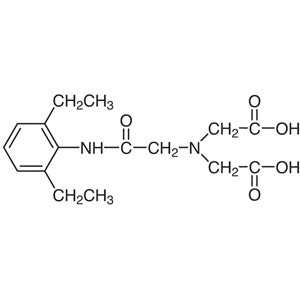
- TCI D1735 63245-28-3 N-(2,6-Diethylphenylcarbamoylmethyl)iminodiacetic Acid
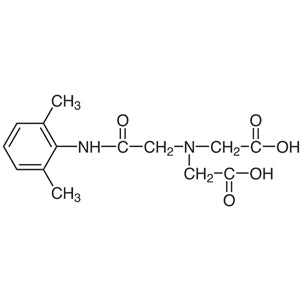
- TCI D1730 59160-29-1 N-(2,6-Dimethylphenylcarbamoylmethyl)iminodiacetic Acid
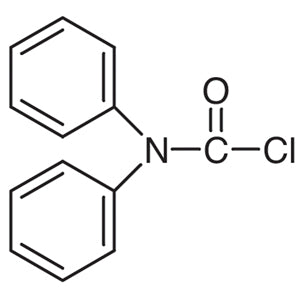
- TCI D0880 83-01-2 Diphenylcarbamoyl Chloride
- TCI T1870 70424-94-1 Methyl 3,4,5-Tris(benzyloxy)benzoate
- TCI B2224 1129-28-8 Methyl 3-(Bromomethyl)benzoate
- Organic synthesis for creating complex molecular structures due to its reactivity and structural versatility.
- Pharmaceutical research to develop compounds with specific biological activities and molecular frameworks.
- Drug development processes requiring precise chemical intermediates for compound modification and optimization.
- Molecular structure studies to analyze and manipulate chemical functionalities in synthetic pathways.
- Industrial chemical production where controlled reactivity and stability are essential for large-scale synthesis.
| Brand | TCI |
|---|---|
| CAS number | 3814-10-6 |
| Molecular formula | — |
| Purity | — |
| Category | Chemistry > Building Blocks > Non-Heterocyclic Building Blocks |
| Pack sizes | Available in standard laboratory quantities as per supplier specifications |
| Physical form | Solid, crystalline appearance |
| Storage | Store in a cool, dry place away from direct light and moisture |
Methyl 4-(Phenylcarbamoyl)benzoate should be stored in a cool, dry environment to maintain its stability and prevent degradation. It is recommended to keep the compound in a sealed container to minimize exposure to moisture and air. Suitable storage containers include glass or high-density polyethylene vessels that are resistant to chemical interactions. Laboratory personnel should handle the compound with care, using appropriate personal protective equipment such as gloves and safety goggles. It is important to ensure proper ventilation in the work area to avoid inhalation of any vapors. Regular monitoring of storage conditions helps maintain the integrity of the compound for reliable experimental results.
—
Produk Terkait
-
2-(Phenylcarbamoyl)benzoicAcid TCI P2941
Regular price From Rp 2.359.350,00Regular price -
N-(2,6-Diethylphenylcarbamoylmethyl)iminodiaceticAcid TCI D1735
Regular price Rp 2.199.750,00Regular price -
N-(2,6-Dimethylphenylcarbamoylmethyl)iminodiaceticAcid TCI D1730
Regular price Rp 1.220.100,00Regular price -
DiphenylcarbamoylChloride TCI D0880
Regular price From Rp 610.050,00Regular price -
Methyl3,4,5-Tris(benzyloxy)benzoate TCI T1870
Regular price Rp 1.458.450,00Regular price -
Methyl3-(Bromomethyl)benzoate TCI B2224
Regular price From Rp 1.856.400,00Regular price -
Methyl4-(Bromomethyl)benzoate TCI B2053
Regular price From Rp 1.353.450,00Regular price -
AllylBenzoate TCI B2041
Regular price Rp 2.650.200,00Regular price