


2-Methoxycarbazole is an organic compound widely used in scientific research, particularly in the fields of semiconductor materials and materials science. It serves as a fundamental building block for constructing complex molecular structures, which are essential in the development of advanced functional materials. This compound is commonly employed in the synthesis of compounds with applications in optoelectronic technologies and electronic devices. Its role in the laboratory is critical for researchers aiming to design and test new materials with unique electronic and optical properties.
The chemical and physical properties of 2-Methoxycarbazole make it a preferred choice for laboratory use. Its stable chemical structure and controlled reactivity allow for efficient synthesis and molecular modification processes. The compound’s consistent properties ensure reliable results in experiments, making it ideal for high-precision research. Additionally, its ability to interact with various reagents enhances its versatility in material development. These characteristics contribute to its widespread use in both academic and industrial research settings.
In Indonesian laboratories, 2-Methoxycarbazole is a key component in semiconductor research, optoelectronic device development, and molecular property studies. It supports local researchers in advancing innovative technologies by providing a reliable and effective building block for new material synthesis. Its application is integral to the growth of scientific capabilities in the region, particularly in the field of advanced materials and electronic technologies.
TCI brochures (PDF)
- Carbazoles 2025-06-27 · p. 2
- Building Blocks for Organic Semiconductor 2026-03-24 · p. 21
Related TCI products
- TCI H1014 52602-39-8 4-Hydroxycarbazole
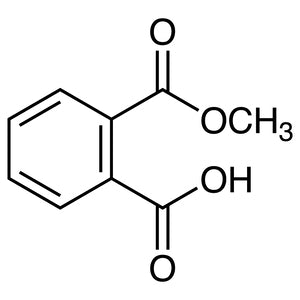
- TCI M3783 4376-18-5 2-(Methoxycarbonyl)benzoic Acid
- TCI M3703 141046-52-8 4-(Methoxycarbonyl)bicyclo[2.1.1]hexane-1-carboxylic Acid
- TCI M3701 110371-28-3 5-(Methoxycarbonyl)bicyclo[3.1.1]heptane-1-carboxylic Acid
- TCI M3598 5026-62-0 Sodium 4-(Methoxycarbonyl)phenolate
- TCI M3466 24539-28-4 4-(Methoxycarbonyl)cubane-1-carboxylic Acid
- Semiconductor material synthesis due to its role in constructing complex molecular structures essential for electronic devices.
- Optoelectronic device development as it contributes to the creation of compounds with unique optical and electronic properties.
- Molecular property studies because of its stable chemical structure and predictable reactivity in various synthetic processes.
- Functional material research due to its ability to interact with multiple reagents, enabling the development of new material applications.
- Advanced materials innovation as it serves as a foundational compound for exploring new electronic and optical characteristics in laboratory settings.
| Brand | TCI |
|---|---|
| CAS number | 6933-49-9 |
| Molecular formula | — |
| Purity | — |
| Category | Materials Science > Material Building Blocks > Small Molecule Semiconductor Building Blocks |
| Pack sizes | Available in standard laboratory quantities as per supplier specifications |
| Physical form | Solid, typically in crystalline or powder form |
| Storage | Store in a cool, dry place away from direct light and moisture |
2-Methoxycarbazole should be stored in a cool, dry environment, away from direct sunlight and moisture to maintain its chemical stability. It is recommended to use airtight containers made of glass or high-density polyethylene to prevent contamination and degradation. Due to its reactivity, it should be handled in a well-ventilated area, and appropriate personal protective equipment such as gloves and safety goggles should be worn. Avoid exposure to strong oxidizing agents or incompatible substances. Regular monitoring of storage conditions ensures the compound remains suitable for use in laboratory applications. Proper labeling and safe storage practices are essential to maintain the integrity of the material and ensure laboratory safety.
—
Produk Terkait
-
4-Hydroxycarbazole TCI H1014
Regular price From Rp 505.050,00Regular price -
2-(Methoxycarbonyl)benzoicAcid TCI M3783
Regular price From Rp 1.273.650,00Regular price -
4-(Methoxycarbonyl)bicyclo[2.1.1]hexane-1-carboxylicAcid TCI M3703
Regular price Rp 5.352.900,00Regular price -
5-(Methoxycarbonyl)bicyclo[3.1.1]heptane-1-carboxylicAcid TCI M3701
Regular price Rp 5.247.900,00Regular price -
Sodium4-(Methoxycarbonyl)phenolate TCI M3598
Regular price Rp 2.359.350,00Regular price -
4-(Methoxycarbonyl)cubane-1-carboxylicAcid TCI M3466
Regular price Rp 3.817.800,00Regular price -
3-(Methoxycarbonyl)bicyclo[111]pentane-1-carboxylicAcid TCI M3149
Regular price From Rp 955.500,00Regular price -
4-(Methoxycarbonyl)bicyclo[2.2.2]octan-1-carboxylicAcid TCI M2855
Regular price Rp 2.411.850,00Regular price

![141046-52-8 4-(Methoxycarbonyl)bicyclo[2.1.1]hexane-1-carboxylic Acid - AMI Scientific](http://amiscientific.com/cdn/shop/files/TCI2510M3703.jpg?v=1767128696&width=533)
![110371-28-3 5-(Methoxycarbonyl)bicyclo[3.1.1]heptane-1-carboxylic Acid - AMI Scientific](http://amiscientific.com/cdn/shop/files/TCI2510M3701.jpg?v=1767128692&width=533)


![83249-10-9 3-(Methoxycarbonyl)bicyclo[1.1.1]pentane-1-carboxylic Acid - AMI Scientific](http://amiscientific.com/cdn/shop/files/TCI2510M3149.jpg?v=1767127805&width=533)
![18720-35-9 4-(Methoxycarbonyl)bicyclo[2.2.2]octan-1-carboxylic Acid - AMI Scientific](http://amiscientific.com/cdn/shop/files/TCI2510M2855.jpg?v=1767127347&width=533)