

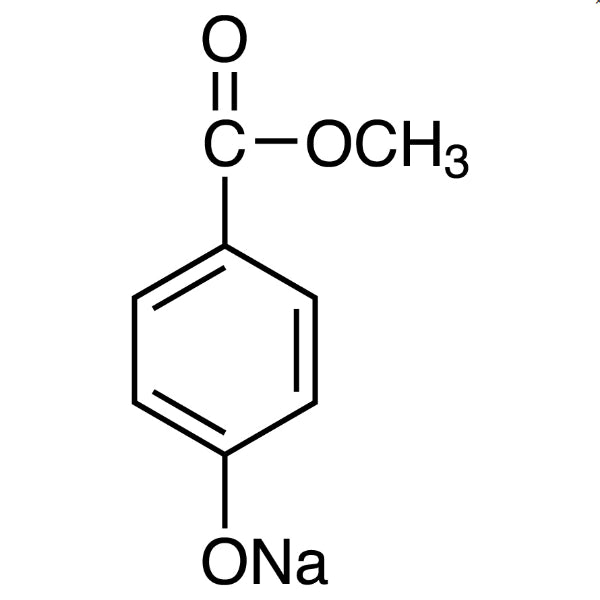
Sodium 4-(Methoxycarbonyl)phenolate is a chemical compound widely used in synthetic laboratory applications. It serves as a key building block in organic chemistry, particularly in the synthesis of more complex organic molecules. This compound is derived from the sodium salt of 4-(methoxycarbonyl)phenic acid and is commonly employed in substitution and replacement reactions during the synthesis of heterocyclic compounds. Its structural complexity makes it a versatile reagent in various chemical processes.
The chemical properties of Sodium 4-(Methoxycarbonyl)phenolate make it a preferred choice for laboratory use. It exhibits stability under specific conditions, which simplifies storage and handling. Additionally, it dissolves well in organic solvents, facilitating efficient chemical reactions. These characteristics allow it to participate in a wide range of reactions without significant degradation. Its solubility and stability contribute to its reliability in synthetic processes.
In Indonesian laboratories, Sodium 4-(Methoxycarbonyl)phenolate is frequently used in organic chemistry research, especially in pharmaceutical and material science fields. It is a common component in the synthesis of bioactive compounds, supporting research efforts in drug development and advanced materials. Its availability in the local market makes it a practical choice for researchers and academic institutions.
Related TCI products
- TCI H1897 35285-68-8 Sodium 4-(Ethoxycarbonyl)phenolate
- TCI E0414 25909-66-4 Ethylene Glycol Bis[4-(ethoxycarbonyl)phenyl] Ether
- TCI E0928 99469-99-5 2-(3-Ethoxy-4-ethoxycarbonylphenyl)acetic Acid
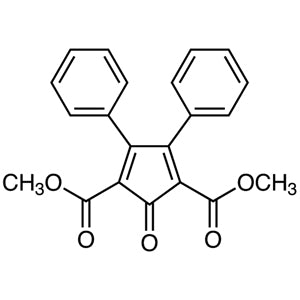
- TCI B1962 16691-79-5 2,5-Bis(methoxycarbonyl)-3,4-diphenylcyclopentadienone
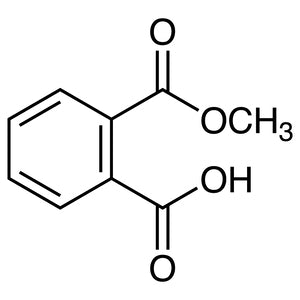
- TCI M3783 4376-18-5 2-(Methoxycarbonyl)benzoic Acid
- TCI M3703 141046-52-8 4-(Methoxycarbonyl)bicyclo[2.1.1]hexane-1-carboxylic Acid
- Organic synthesis applications benefit from Sodium 4-(Methoxycarbonyl)phenolate due to its role in substitution reactions and its ability to form stable intermediates.
- Pharmaceutical research utilizes this compound for the synthesis of bioactive molecules, contributing to drug development efforts.
- Material science applications leverage its chemical properties to create new organic compounds with specific functional characteristics.
- Heterocyclic compound synthesis relies on this reagent for its participation in ring-forming reactions and structural modifications.
- Academic research institutions use it as a standard reagent in teaching and experimental protocols for organic chemistry courses.
| Brand | TCI |
|---|---|
| CAS number | 5026-62-0 |
| Molecular formula | — |
| Purity | — |
| Category | Chemistry > Building Blocks > Non-Heterocyclic Building Blocks |
| Pack sizes | Available in standard laboratory quantities |
| Physical form | Solid powder |
| Storage | Store in a cool, dry place away from moisture and direct sunlight |
Sodium 4-(Methoxycarbonyl)phenolate should be stored in a cool, dry environment to maintain its chemical stability. It is recommended to keep it in airtight containers to prevent exposure to moisture, which could affect its properties. The compound should be stored away from direct sunlight and heat sources to avoid degradation. Suitable containers include glass or high-density polyethylene vessels that are resistant to chemical reactions. In laboratory settings, it is important to handle the compound with appropriate personal protective equipment to ensure safety. Proper labeling and storage practices help maintain the integrity of the compound and ensure safe usage in research environments.
—
Produk Terkait
-
Sodium4-(Ethoxycarbonyl)phenolate TCI H1897
Regular price Rp 3.021.900,00Regular price -
EthyleneGlycolBis[4-(ethoxycarbonyl)phenyl]Ether TCI E0414
Regular price Rp 5.644.800,00Regular price -
2-(3-Ethoxy-4-ethoxycarbonylphenyl)aceticAcid TCI E0928
Regular price From Rp 1.590.750,00Regular price -
2,5-Bis(methoxycarbonyl)-3,4-diphenylcyclopentadienone TCI B1962
Regular price From Rp 2.625.000,00Regular price -
2-(Methoxycarbonyl)benzoicAcid TCI M3783
Regular price From Rp 1.273.650,00Regular price -
4-(Methoxycarbonyl)bicyclo[2.1.1]hexane-1-carboxylicAcid TCI M3703
Regular price Rp 5.352.900,00Regular price -
5-(Methoxycarbonyl)bicyclo[3.1.1]heptane-1-carboxylicAcid TCI M3701
Regular price Rp 5.247.900,00Regular price -
4-(Methoxycarbonyl)cubane-1-carboxylicAcid TCI M3466
Regular price Rp 3.817.800,00Regular price

![Ethylene Glycol Bis[4-(ethoxycarbonyl)phenyl] Ether (CAS 25909-66-4) - TCI E0414 - AMI Scientific](http://amiscientific.com/cdn/shop/files/TCI2510E0414.jpg?v=1767111219&width=533)

![141046-52-8 4-(Methoxycarbonyl)bicyclo[2.1.1]hexane-1-carboxylic Acid - AMI Scientific](http://amiscientific.com/cdn/shop/files/TCI2510M3703.jpg?v=1767128696&width=533)
![110371-28-3 5-(Methoxycarbonyl)bicyclo[3.1.1]heptane-1-carboxylic Acid - AMI Scientific](http://amiscientific.com/cdn/shop/files/TCI2510M3701.jpg?v=1767128692&width=533)
