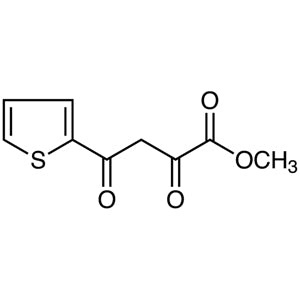
TCI M2936 57409-51-5 Methyl 2,4-Dioxo-4-(2-thienyl)butyrate is a chemical compound widely used in laboratory settings for the synthesis of heterocyclic compounds. This compound plays a crucial role in organic chemistry by serving as a building block for the development of complex molecular structures. Its unique molecular structure, which includes a thienyl group and multiple carbonyl groups, makes it an essential component in the creation of bioactive molecules. Due to its chemical stability and reactivity, it is frequently utilized in research aimed at producing compounds with pharmaceutical or material applications.
The compound's chemical stability and reactivity make it a preferred choice for synthetic chemists. Its ability to participate in nucleophilic and electrophilic reactions allows for the formation of a wide range of derivatives. The heterocyclic structure of this compound contributes to its unique reactivity, enabling the synthesis of complex molecules with specific functional properties. Additionally, its non-volatile nature and resistance to degradation ensure that it remains effective under various experimental conditions. These characteristics make it a reliable and versatile reagent in laboratory environments.
In Indonesian laboratories, this compound is commonly used in organic chemistry research, particularly in the synthesis of heterocyclic compounds. It is a key reagent in the development of bioactive molecules, supporting research in pharmaceutical and material sciences. Its reliability and chemical properties make it an essential tool for scientists working on innovative chemical syntheses and applications. The compound's consistent performance and availability contribute to its widespread use in academic and industrial research settings.
Related TCI products
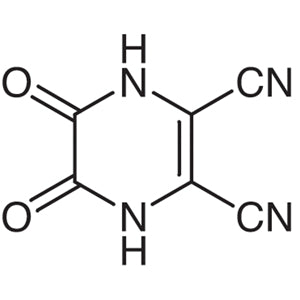
- TCI T1472 36023-64-0 1,4,5,6-Tetrahydro-5,6-dioxo-2,3-pyrazinedicarbonitrile
- TCI I1020 23945-44-0 2,4-Dioxo-1,2,3,4-tetrahydropyrimidine-5-carboxylic Acid
- TCI D2108 107-61-9 4,4-Dioxo-1,4-oxathiane
- TCI T3064 40412-06-4 2-(2-Thienyl)ethyl p-Toluenesulfonate
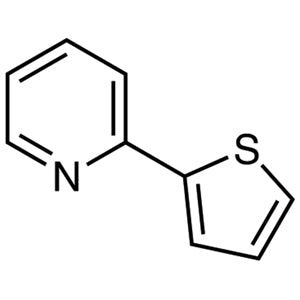
- TCI T2936 3319-99-1 2-(2-Thienyl)pyridine
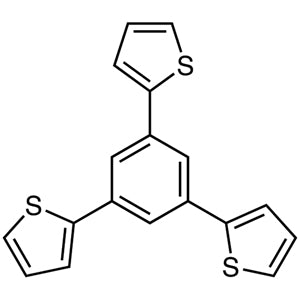
- TCI T2866 15509-95-2 1,3,5-Tri(2-thienyl)benzene
- Organic synthesis of heterocyclic compounds due to its versatile functional groups and reactivity.
- Development of bioactive molecules for pharmaceutical research as it supports the formation of complex structures.
- Synthesis of materials with specific functional properties due to its ability to participate in various chemical reactions.
- Research in medicinal chemistry for the design of new drugs with targeted biological activities.
- Use in academic and industrial laboratories for the creation of novel chemical compounds with potential applications in various fields.
| Brand | TCI |
|---|---|
| CAS number | 57409-51-5 |
| Molecular formula | — |
| Purity | — |
| Category | Chemistry > Building Blocks > Heterocyclic Building Blocks |
| Pack sizes | Available in standard laboratory quantities |
| Physical form | Solid |
| Storage | Store in a cool, dry place away from direct sunlight |
This compound should be stored in a cool, dry environment to maintain its chemical stability. It is recommended to keep it in a sealed container to prevent moisture absorption and contamination. Due to its non-volatile nature, it does not require refrigeration but should be protected from prolonged exposure to air and light. Laboratory personnel should handle it with care, using appropriate personal protective equipment when necessary. The compound is generally stable under standard laboratory conditions and does not pose significant hazards when stored properly. Regular inspection of storage conditions is advised to ensure the integrity of the material.
—
Produk Terkait
-
1,4,5,6-Tetrahydro-5,6-dioxo-2,3-pyrazinedicarbonitrile TCI T1472
Regular price Rp 2.704.800,00Regular price -
2,4-Dioxo-1,2,3,4-tetrahydropyrimidine-5-carboxylicAcid TCI I1020
Regular price Rp 1.193.850,00Regular price -
4,4-Dioxo-1,4-oxathiane TCI D2108
Regular price From Rp 1.008.000,00Regular price -
2-(2-Thienyl)ethylp-Toluenesulfonate TCI T3064
Regular price From Rp 477.750,00Regular price -
2-(2-Thienyl)pyridine TCI T2936
Regular price From Rp 2.227.050,00Regular price -
1,3,5-Tri(2-thienyl)benzene TCI T2866
Regular price From Rp 2.650.200,00Regular price -
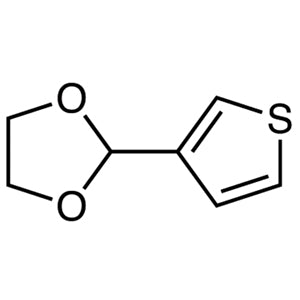
2-(3-Thienyl)-1,3-dioxolane TCI T2623
Regular price Rp 2.625.000,00Regular price -
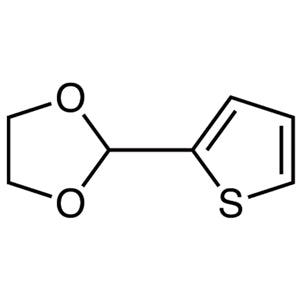
2-(2-Thienyl)-1,3-dioxolane TCI T2049
Regular price From Rp 3.260.250,00Regular price