4-Methoxy-trans-stilbene is a chemical compound widely used in organic reactions as a building block or intermediate. It is a versatile molecule that plays a key role in the synthesis of complex organic compounds, including aromatic and heterocyclic structures. Its unique molecular structure, featuring a trans-stilbene backbone with a methoxy group, makes it an essential tool for chemists working on a variety of synthetic pathways. This compound is particularly valued for its ability to participate in multiple reaction types, such as electrophilic substitution and other organic transformations, making it a common choice in both academic and industrial research settings.
The compound's aromatic nature and non-polar characteristics contribute to its reactivity and solubility in organic solvents, which are critical factors in laboratory applications. Its stable molecular structure allows for predictable chemical behavior, reducing the risk of unexpected side reactions. These properties make it a preferred choice for researchers aiming to develop new compounds or optimize existing synthetic routes. Additionally, its compatibility with various reaction conditions enhances its utility in diverse chemical processes.
In Indonesian laboratories, 4-Methoxy-trans-stilbene is frequently used in organic chemistry research, particularly in the synthesis of aromatic compounds and the development of new chemical entities. Its availability and cost-effectiveness make it a popular material among research institutions and chemical industries. The compound's role in facilitating complex syntheses and its adaptability to different experimental conditions ensure its continued relevance in both educational and industrial settings.
Related TCI products
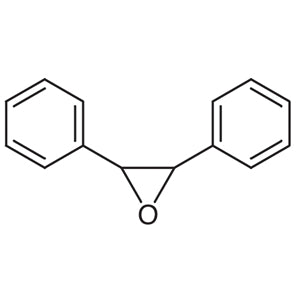
- TCI S0262 1439-07-2 trans-Stilbene Oxide
- TCI D3104 15638-14-9 4,4'-Dimethoxy-trans-stilbene
- TCI M3152 81936-32-5 1-Methoxy-4-(trans-4-propylcyclohexyl)benzene
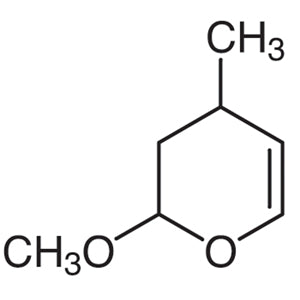
- TCI D2053 53608-95-0 3,4-Dihydro-2-methoxy-4-methyl-2H-pyran (cis- and trans- mixture)
- TCI F0412 40200-69-9 4-Formyl-trans-stilbene
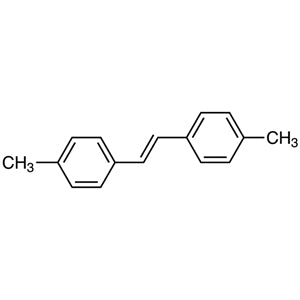
- TCI D2708 18869-29-9 4,4'-Dimethyl-trans-stilbene
- Synthesis of aromatic compounds due to its ability to act as a versatile building block in organic reactions.
- Development of new chemical entities through its participation in electrophilic substitution and other synthetic pathways.
- Organic reaction intermediates for use in complex molecule construction and functional group modification.
- Research in heterocyclic chemistry because of its structural compatibility with aromatic and heterocyclic frameworks.
- Industrial chemical production where stable and reactive compounds are required for large-scale synthesis processes.
| Brand | TCI |
|---|---|
| CAS number | 1694-19-5 |
| Molecular formula | — |
| Purity | — |
| Category | Chemistry > Building Blocks > Non-Heterocyclic Building Blocks |
| Pack sizes | Available in various sizes as per supplier specifications |
| Physical form | Solid or liquid, depending on the specific product variant |
| Storage | Store in a cool, dry place away from light and moisture |
4-Methoxy-trans-stilbene should be stored in a cool, dry environment, away from direct sunlight and sources of heat. It is recommended to keep the compound in a sealed container to prevent exposure to moisture and air. Due to its non-polar nature, it is typically stored in glass or polyethylene containers that are resistant to chemical degradation. In laboratory settings, it is important to handle the compound with appropriate personal protective equipment, such as gloves and safety goggles, to ensure safe handling. Proper ventilation should be maintained when working with this compound to minimize inhalation risks. Storage conditions should be consistent to maintain the stability and purity of the material over time.
—
Produk Terkait
-
trans-StilbeneOxide TCI S0262
Regular price From Rp 1.803.900,00Regular price -
4,4'-Dimethoxy-trans-stilbene TCI D3104
Regular price From Rp 2.041.200,00Regular price -
1-Methoxy-4-(trans-4-propylcyclohexyl)benzene TCI M3152
Regular price From Rp 689.850,00Regular price -
3,4-Dihydro-2-methoxy-4-methyl-2H-pyran(cis-andtrans-mixture) TCI D2053
Regular price Rp 2.279.550,00Regular price -
4-Formyl-trans-stilbene TCI F0412
Regular price From Rp 2.969.400,00Regular price -
4,4'-Dimethyl-trans-stilbene TCI D2708
Regular price Rp 4.638.900,00Regular price -
4-Cyano-trans-stilbene TCI C2046
Regular price Rp 3.127.950,00Regular price -
3,4',5-Trimethoxy-trans-stilbene TCI T1829
Regular price Rp 4.982.250,00Regular price