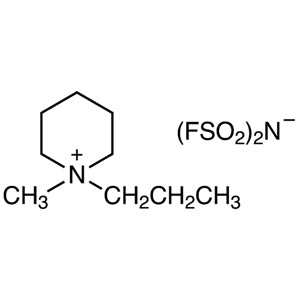
TCI M2981 911303-46-3 1-Methyl-1-propylpiperidinium Bis(fluorosulfonyl)imide is an ionic liquid specifically designed for use in complex chemical reactions within laboratory settings. As a specialty chemical, it serves as a versatile medium for various synthetic processes, offering stability and reusability. This material is widely used in both academic and industrial research due to its unique properties that support a wide range of chemical transformations. Its role in modern chemistry is critical, especially in applications requiring non-volatile and non-flammable solvents.
The key properties that make this ionic liquid a preferred choice include its non-volatile nature, high thermal stability, and low flammability. These characteristics make it an ideal alternative to traditional organic solvents, reducing environmental impact and improving safety in the laboratory. Additionally, its ability to dissolve a wide range of polar and non-polar substances enhances its utility in diverse chemical reactions. The combination of the 1-methyl-1-propylpiperidinium cation and the bis(fluorosulfonyl)imide anion contributes to its exceptional chemical stability and functional versatility.
In Indonesian laboratories, this ionic liquid is commonly used in applied chemical research, particularly in the synthesis of complex organic compounds and catalytic reactions. It is a key component in the development of new materials and pharmaceuticals, supporting innovation in both academic and industrial settings. Its reliability and performance make it a preferred choice for researchers working on advanced chemical processes and sustainable synthesis methods.
TCI brochures (PDF)
- Ionic Liquids 2026-06-08 · p. 10
Related TCI products
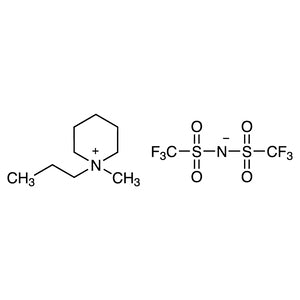
- TCI M3488 608140-12-1 1-Methyl-1-propylpiperidin-1-ium Bis((trifluoromethyl)sulfonyl)amide
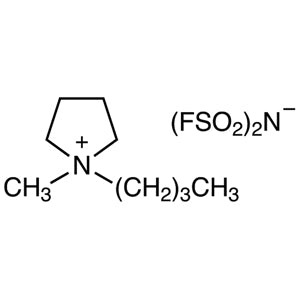
- TCI B5398 1057745-51-3 1-Butyl-1-methylpyrrolidinium Bis(fluorosulfonyl)imide
- TCI M2998 1235234-47-5 1-(2-Methoxyethyl)-1-methylpyrrolidinium Bis(fluorosulfonyl)imide
- TCI M2980 852620-97-4 1-Methyl-1-propylpyrrolidinium Bis(fluorosulfonyl)imide
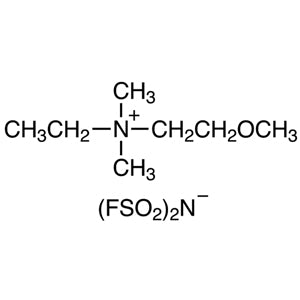
- TCI E1275 1235234-35-1 Ethyl(2-methoxyethyl)dimethylammonium Bis(fluorosulfonyl)imide
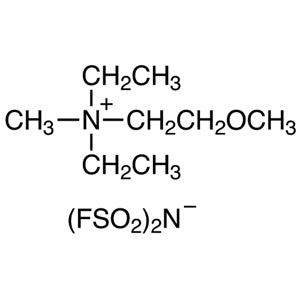
- TCI D5238 1079129-48-8 Diethyl(2-methoxyethyl)methylammonium Bis(fluorosulfonyl)imide
- Organic synthesis applications benefit from this ionic liquid due to its ability to dissolve a wide range of reactants and provide a stable reaction environment.
- Catalytic reactions are enhanced by the unique properties of this ionic liquid, which can act as both a solvent and a reaction medium.
- Green chemistry initiatives in Indonesian laboratories utilize this material to reduce the use of harmful organic solvents and promote sustainable practices.
- Material science research employs this ionic liquid for the synthesis of advanced polymers and nanomaterials due to its stability and solvating power.
- Analytical chemistry applications leverage the high purity and consistent performance of this ionic liquid for accurate and reproducible results.
| Brand | TCI |
|---|---|
| CAS number | 911303-46-3 |
| Molecular formula | — |
| Purity | — |
| Category | Chemistry > Specialty Synthesis > Ionic Liquids |
| Pack sizes | Available in various quantities as per supplier specifications |
| Physical form | Liquid |
| Storage | Store in a cool, dry place away from direct sunlight and incompatible materials |
This ionic liquid should be stored in a cool, dry environment, away from direct sunlight and sources of heat. It is recommended to use sealed, inert containers made of materials such as glass or high-density polyethylene to prevent contamination and maintain stability. Due to its non-volatile nature, it does not require special refrigeration but should be protected from moisture and air exposure. General laboratory precautions include avoiding inhalation of vapors and ensuring proper ventilation when handling. Personal protective equipment, such as gloves and safety goggles, should be worn to ensure safe handling and minimize exposure risks.
—
Produk Terkait
-
1-Methyl-1-propylpiperidin-1-iumBis((trifluoromethyl)sulfonyl)amide TCI M3488
Regular price From Rp 2.041.200,00Regular price -
1-Butyl-1-methylpyrrolidiniumBis(fluorosulfonyl)imide TCI B5398
Regular price Rp 3.498.600,00Regular price -
1-(2-Methoxyethyl)-1-methylpyrrolidiniumBis(fluorosulfonyl)imide TCI M2998
Regular price From Rp 2.199.750,00Regular price -
1-Methyl-1-propylpyrrolidiniumBis(fluorosulfonyl)imide TCI M2980
Regular price From Rp 2.809.800,00Regular price -
Ethyl(2-methoxyethyl)dimethylammoniumBis(fluorosulfonyl)imide TCI E1275
Regular price Rp 1.908.900,00Regular price -
Diethyl(2-methoxyethyl)methylammoniumBis(fluorosulfonyl)imide TCI D5238
Regular price Rp 1.458.450,00Regular price -
Diethyl(methyl)propylammoniumBis(fluorosulfonyl)imide TCI D5237
Regular price Rp 2.359.350,00Regular price -
1-Butyl-1-methylpiperidiniumBis(trifluoromethanesulfonyl)imide TCI B4844
Regular price From Rp 1.405.950,00Regular price