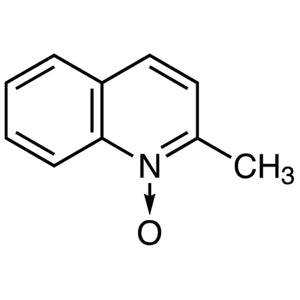
2-Methylquinoline N-Oxide is a chemical compound widely used in laboratory settings for the synthesis of heterocyclic compounds. As a key building block in organic chemistry, it plays a vital role in the development of complex aromatic structures. This compound is particularly valuable for its ability to participate in various chemical reactions, making it an essential reagent in synthetic pathways. Its structural complexity allows for substitution and oxidation reactions under controlled conditions, which are crucial in the creation of new chemical entities.
The compound is known for its chemical stability under specific conditions, yet it remains highly reactive when exposed to high temperatures or strong reagents. This reactivity makes it a preferred choice for applications requiring active participation in chemical transformations. It dissolves well in organic solvents such as ethyl acetate and chloroform, enhancing its utility in solution-based reactions. Its versatility in reacting with different reagents, including in Friedel-Crafts and substitution reactions, further solidifies its importance in chemical research.
In Indonesian laboratories, 2-Methylquinoline N-Oxide is commonly used in organic chemistry and pharmaceutical research. It is a critical component in experiments focused on the synthesis of complex compounds. Many educational and research institutions in Indonesia rely on this compound for their chemical investigations, particularly in the development of new drugs and materials. Its availability and reliability make it a standard reagent in both academic and industrial chemical laboratories.
- Organic synthesis applications benefit from 2-Methylquinoline N-Oxide due to its ability to participate in substitution and oxidation reactions.
- Pharmaceutical research utilizes this compound for the synthesis of complex heterocyclic structures essential in drug development.
- It is ideal for Friedel-Crafts reactions as it can act as an electrophilic aromatic substrate under appropriate conditions.
- The compound supports the creation of aromatic derivatives, which are crucial in the development of new chemical compounds.
- It is frequently used in academic research settings for teaching and experimental purposes in organic chemistry courses.
| Brand | TCI |
|---|---|
| CAS number | 1076-28-4 |
| Molecular formula | — |
| Purity | — |
| Category | Chemistry > Building Blocks > Heterocyclic Building Blocks |
| Pack sizes | — |
| Physical form | — |
| Storage | Store in a cool, dry place away from direct sunlight and incompatible materials |
This compound should be stored in a cool, dry environment to maintain its chemical stability. It is recommended to use airtight containers to prevent exposure to moisture and air, which may affect its reactivity. Due to its chemical reactivity, it should be kept away from strong oxidizing agents and high-temperature sources. In laboratory settings, it is important to handle the compound with appropriate personal protective equipment to ensure safety. Proper labeling and storage conditions help maintain the integrity of the compound and reduce the risk of accidental reactions. Always follow standard laboratory safety protocols when working with reactive chemicals.
—
Produk Terkait
-
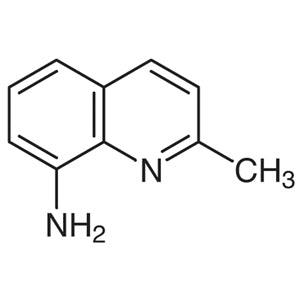
8-Amino-2-methylquinoline TCI A0416
Regular price From Rp 1.273.650,00Regular price -
4,6,8-Trimethylquinoline TCI T1409
Regular price Rp 5.644.800,00Regular price -
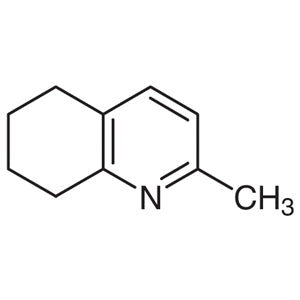
5,6,7,8-Tetrahydro-2-methylquinoline TCI T1408
Regular price Rp 2.016.000,00Regular price -
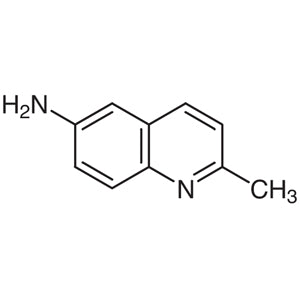
6-Amino-2-methylquinoline TCI A1047
Regular price Rp 3.976.350,00Regular price -
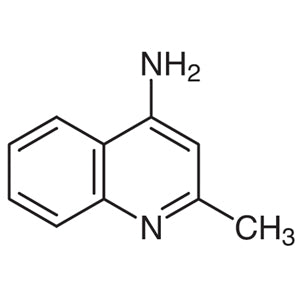
4-Amino-2-methylquinoline TCI A0415
Regular price Rp 3.207.750,00Regular price -
2-Methylquinoline TCI Q0005
Regular price From Rp 452.550,00Regular price -
1-Methylquinolin-2(1H)-one TCI M3591
Regular price From Rp 3.127.950,00Regular price -
2-Methylquinoline-6-carboxylicAcid TCI M2625
Regular price From Rp 2.174.550,00Regular price