2-Methylquinoline from TCI, product code Q0005, is also known as quinaldine. It is an aromatic heterocyclic compound: a quinoline ring with a methyl group at the 2-position. Its CAS number is 91-63-4. In the laboratory it is an important heterocyclic building block for making dyes, pharmaceutical compounds, ligands and specialty chemicals. It can also be used as a solvent or as an organic base in certain reactions, which makes it useful in many synthetic organic chemistry workflows.
Chemists value 2-methylquinoline mainly for the reactivity of its methyl group. The methyl group sits next to the ring nitrogen atom, so its hydrogens are fairly acidic. This lets the compound condense readily with aldehydes, and it can also be oxidised into other quinoline derivatives. This reactivity is the basis for making cyanine dyes, styryl dyes and Quinoline Yellow. The nitrogen atom in the quinoline ring can also be alkylated to form quinolinium salts, which gives chemists a second reactive site. At room temperature the compound is an oily liquid that may darken when exposed to air and light.
In Indonesian laboratories, 2-methylquinoline is widely used by research groups working in organic synthesis, medicinal chemistry and functional dye development. University and institutional research teams use it as a starting material for new heterocyclic derivatives, chromophores and candidate bioactive molecules. Its well-known condensation and alkylation chemistry makes it a good fit for teaching and research projects that need a dependable heterocyclic building block from a recognised brand such as TCI.
Related TCI products
- Cyanine dye synthesis: the acidic methyl group next to the ring nitrogen condenses readily, so 2-methylquinoline is a standard starting material for building cyanine dye frameworks.
- Styryl dye preparation: condensing the reactive methyl group with aldehydes gives styryl-type chromophores, which makes the compound well suited to research on functional and colour-producing materials.
- Quinoline Yellow and related colourants: 2-methylquinoline is the basis for making Quinoline Yellow, so it is a relevant precursor for dye chemistry and colourant development work.
- Pharmaceutical and medicinal chemistry research: the quinoline core and its modifiable methyl group give medicinal chemists a flexible heterocyclic scaffold for building and studying candidate bioactive compounds.
- Ligand and quinolinium salt synthesis: the ring nitrogen can be alkylated into quinolinium salts and the methyl group can be functionalised, so the compound supports work on ligands and specialty chemicals.
| Brand | TCI (product code Q0005) |
|---|---|
| CAS number | 91-63-4 |
| Molecular formula | — |
| Purity | — |
| Category | Chemistry > Building Blocks > Heterocyclic Building Blocks |
| Pack sizes | as listed on the product page |
| Physical form | oily liquid at room temperature; may darken on exposure to air and light |
| Storage | keep tightly sealed and protected from light and air |
Store 2-methylquinoline in a tightly closed container in a cool, dry, well-ventilated area. Protect it from light and keep air exposure to a minimum, because the compound can darken over time. The original supplier bottle, or an amber glass container with a secure cap, is a suitable choice. Keep it away from strong oxidising agents and sources of ignition. Handle it in a fume hood and wear standard personal protective equipment, including chemical-resistant gloves, safety glasses and a lab coat. Avoid skin and eye contact and do not breathe the vapour. Always read the supplier's Safety Data Sheet before use and follow local rules for chemical waste disposal.
—
Produk Terkait
-
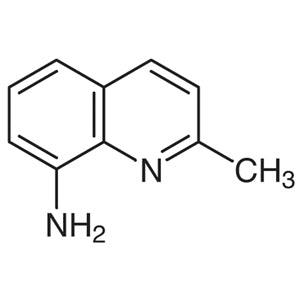
8-Amino-2-methylquinoline TCI A0416
Regular price From Rp 1.273.650,00Regular price -
4,6,8-Trimethylquinoline TCI T1409
Regular price Rp 5.644.800,00Regular price -
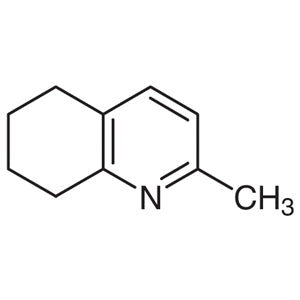
5,6,7,8-Tetrahydro-2-methylquinoline TCI T1408
Regular price Rp 2.016.000,00Regular price -
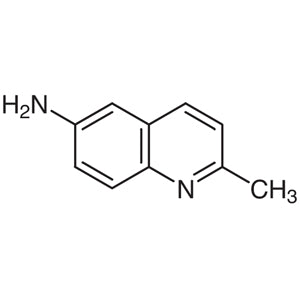
6-Amino-2-methylquinoline TCI A1047
Regular price Rp 3.976.350,00Regular price -
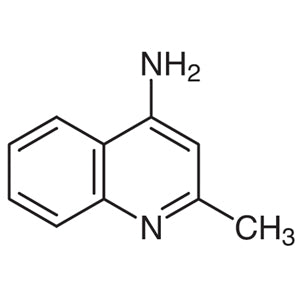
4-Amino-2-methylquinoline TCI A0415
Regular price Rp 3.207.750,00Regular price -
1-Methylquinolin-2(1H)-one TCI M3591
Regular price From Rp 3.127.950,00Regular price -
2-MethylquinolineN-Oxide TCI M3000
Regular price From Rp 1.485.750,00Regular price -
2-Methylquinoline-6-carboxylicAcid TCI M2625
Regular price From Rp 2.174.550,00Regular price