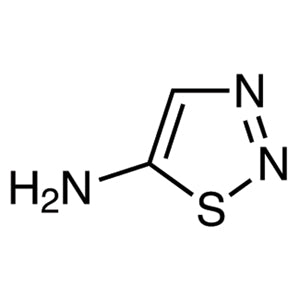
4-Methyl-1,2,3-thiadiazole-5-carbohydrazide is a complex chemical compound widely used in synthetic chemical reactions, particularly in the formation of heterocyclic compounds. As a key building block in organic chemistry, it plays a crucial role in the synthesis of various functional molecules. Its unique structure enables it to participate in diverse chemical transformations, making it a versatile reagent in laboratory settings. This compound is especially valuable for researchers aiming to develop compounds with specific biological or pharmaceutical properties.
The compound's high reactivity is attributed to its heterocyclic framework and the presence of the hydrazide group. These structural features allow it to engage in substitution and condensation reactions, facilitating the creation of new chemical entities. The combination of a thiadiazole ring and a hydrazide moiety enhances its utility in synthetic pathways, offering flexibility in molecular design. Its chemical stability and reactivity make it a preferred choice for advanced chemical synthesis.
In Indonesian laboratories, 4-Methyl-1,2,3-thiadiazole-5-carbohydrazide is commonly used in organic and pharmaceutical research. It serves as an essential tool for scientists working on drug development and compound modification. Its availability and chemical properties support a wide range of experimental applications, making it a valuable resource for academic and industrial research.
Related TCI products
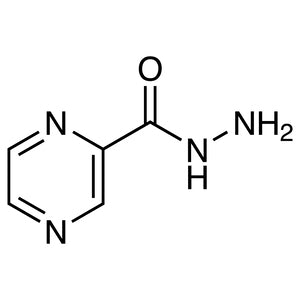
- TCI P2961 768-05-8 Pyrazine-2-carbohydrazide
- TCI A0425 2349-67-9 2-Amino-5-mercapto-1,3,4-thiadiazole
- TCI T3544 2937-81-7 1,3,4-Thiadiazole-2,5-diamine
- TCI T2884 18686-82-3 1,3,4-Thiadiazole-2-thiol
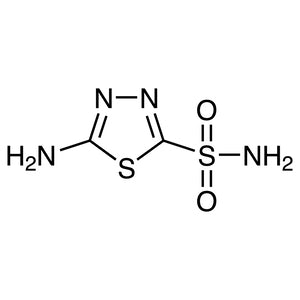
- TCI A3569 14949-00-9 5-Amino-1,3,4-thiadiazole-2-sulfonamide
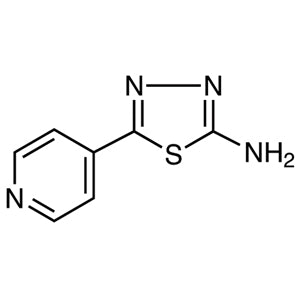
- TCI A3038 2002-04-2 2-Amino-5-(4-pyridyl)-1,3,4-thiadiazole
- Organic synthesis applications benefit from this compound's ability to form complex heterocyclic structures, enabling the development of new pharmaceutical compounds.
- Pharmaceutical research utilizes this reagent for the synthesis of bioactive molecules, supporting drug discovery and development efforts.
- Heterocyclic compound synthesis relies on its unique chemical structure, allowing for the creation of diverse molecular frameworks with potential therapeutic applications.
- Chemical modification studies take advantage of its reactivity, facilitating the design of compounds with tailored functional properties.
- Research in medicinal chemistry employs this material to explore its potential in creating compounds with specific biological activities.
| Brand | TCI |
|---|---|
| CAS number | 75423-15-3 |
| Molecular formula | — |
| Purity | — |
| Category | Chemistry > Building Blocks > Heterocyclic Building Blocks |
| Pack sizes | Available in various quantities as per supplier specifications |
| Physical form | Solid (as per standard product description) |
| Storage | Store in a cool, dry place away from moisture and direct sunlight |
This compound should be stored in a cool, dry environment to maintain its chemical integrity. It is recommended to use airtight containers to prevent exposure to moisture and air, which could affect its stability. Due to its reactivity, it should be handled with care, using appropriate personal protective equipment such as gloves and safety goggles. It is advisable to store it in a well-ventilated area to minimize any potential risks associated with its chemical properties. Proper labeling and storage conditions ensure safe handling and long-term usability in laboratory settings.
—
Produk Terkait
-
Pyrazine-2-carbohydrazide TCI P2961
Regular price Rp 1.724.100,00Regular price -
2-Amino-5-mercapto-1,3,4-thiadiazole TCI A0425
Regular price From Rp 769.650,00Regular price -
1,3,4-Thiadiazole-2,5-diamine TCI T3544
Regular price Rp 2.995.650,00Regular price -
1,3,4-Thiadiazole-2-thiol TCI T2884
Regular price Rp 3.180.450,00Regular price -
5-Amino-1,3,4-thiadiazole-2-sulfonamide TCI A3569
Regular price Rp 6.042.750,00Regular price -
2-Amino-5-(4-pyridyl)-1,3,4-thiadiazole TCI A3038
Regular price From Rp 1.167.600,00Regular price -
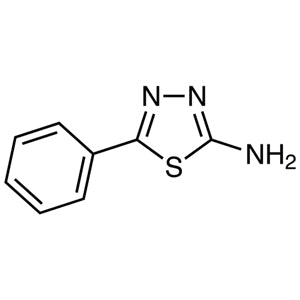
2-Amino-5-phenyl-1,3,4-thiadiazol TCI A3002
Regular price Rp 2.121.000,00Regular price -
5-Amino-1,2,3-thiadiazole TCI A2354
Regular price From Rp 2.094.750,00Regular price