


TCI M3078 2-Methyl-4-(trifluoromethyl)thiazole-5-carboxylic Acid is a specialized chemical compound used in organic synthesis reactions within laboratory settings. This fluorinated building block plays a crucial role in the development of new compounds with specific chemical and biological properties. Its unique molecular structure allows it to participate in various chemical mechanisms, making it a versatile tool for synthetic chemists. The presence of fluorine atoms contributes to its stability and reactivity, which are essential in controlled chemical processes.
The compound’s fluorinated structure provides high polarity and chemical stability, making it a preferred choice for applications requiring precise chemical behavior. The thiazole ring further enhances its reactivity, enabling it to engage in multiple synthetic pathways. These characteristics make it particularly useful in the synthesis of bioactive compounds and functional materials. Its controlled reactivity and stability allow researchers to design complex molecules with tailored properties.
In Indonesian laboratories, this compound is widely used in scientific research and product development across various fields, including pharmaceuticals, chemistry, and materials science. Its ability to contribute to the creation of complex structures with specific functionalities makes it a valuable resource for researchers. The compound is integral to projects that require the synthesis of compounds with unique chemical properties and biological activities.
Related TCI products
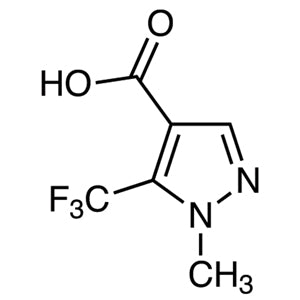
- TCI M2753 119083-00-0 1-Methyl-5-(trifluoromethyl)pyrazole-4-carboxylic Acid
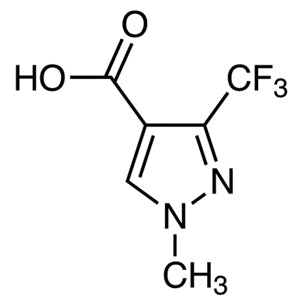
- TCI M2628 113100-53-1 1-Methyl-3-(trifluoromethyl)pyrazole-4-carboxylic Acid
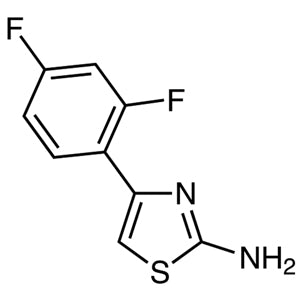
- TCI A3029 105512-80-9 2-Amino-4-(2,4-difluorophenyl)thiazole
- TCI T2495 14527-41-4 Thiazole-5-carboxylic Acid
- TCI T2494 3973-08-8 Thiazole-4-carboxylic Acid
- TCI B6144 83673-98-7 2-[(tert-Butoxycarbonyl)amino]thiazole-4-carboxylic Acid
- Organic synthesis of bioactive compounds due to its reactivity and fluorinated structure.
- Development of pharmaceuticals requiring specific chemical functionalities and stability.
- Creation of advanced materials with tailored chemical and physical properties.
- Research in medicinal chemistry for drug discovery and compound modification.
- Synthesis of complex molecules for academic and industrial chemical applications.
| Brand | TCI |
|---|---|
| CAS number | 117724-63-7 |
| Molecular formula | — |
| Purity | — |
| Category | Chemistry > Building Blocks > Fluorinated Building Blocks |
| Pack sizes | As per manufacturer specifications |
| Physical form | Solid (as per standard product description) |
| Storage | Store in a cool, dry place away from light and moisture |
This compound should be stored in a cool, dry place, away from direct light and moisture to maintain its chemical integrity. It is recommended to use airtight containers to prevent exposure to humidity and contaminants. Due to its fluorinated nature, it may require special handling in environments with high reactivity. Always ensure proper ventilation when working with this material. Laboratory personnel should wear appropriate personal protective equipment, including gloves and safety goggles, to minimize exposure. The compound should not be stored near incompatible substances to avoid any potential chemical interactions. Proper labeling and storage conditions are essential to ensure safety and maintain the compound’s effectiveness in research applications.
—
Produk Terkait
-
1-Methyl-5-(trifluoromethyl)pyrazole-4-carboxylicAcid TCI M2753
Regular price From Rp 1.458.450,00Regular price -
1-Methyl-3-(trifluoromethyl)pyrazole-4-carboxylicAcid TCI M2628
Regular price Rp 1.220.100,00Regular price -
2-Amino-4-(2,4-difluorophenyl)thiazole TCI A3029
Regular price From Rp 875.700,00Regular price -
Thiazole-5-carboxylicAcid TCI T2495
Regular price From Rp 1.644.300,00Regular price -
Thiazole-4-carboxylicAcid TCI T2494
Regular price From Rp 1.431.150,00Regular price -
2-[(tert-Butoxycarbonyl)amino]thiazole-4-carboxylicAcid TCI B6144
Regular price From Rp 1.458.450,00Regular price -
1-(Trifluoromethyl)cyclopropane-1-carboxylicAcid TCI T3765
Regular price From Rp 743.400,00Regular price -
4'-(Trifluoromethyl)biphenyl-2-carboxylicAcid TCI T3231
Regular price From Rp 717.150,00Regular price



![2-[(tert-Butoxycarbonyl)amino]thiazole-4-carboxylic Acid (CAS 83673-98-7) - TCI B6144 - AMI Scientific](http://amiscientific.com/cdn/shop/files/TCI2510B6144_30b774b8-53f0-43f4-a45f-a11d6bda12b0.jpg?v=1767864684&width=533)

