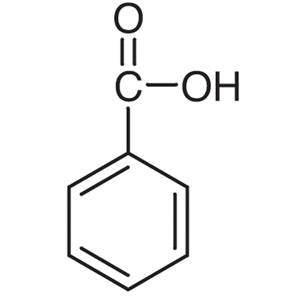
TCI M3141 cvxIAA is a synthetic auxin analogue developed specifically for orthogonal auxin signalling control systems in plants. The compound serves as the paired ligand for an engineered auxin receptor, meaning it is recognised only by the modified receptor and does essentially nothing to activate the native auxin pathway. This ligand–receptor pairing principle allows researchers to switch on auxin responses in selected tissues or cell types in a directed manner, without disturbing the plant's endogenous hormone network as a whole. In plant molecular biology laboratories, this reagent has become an important tool for dissecting auxin signalling function at high spatial and temporal resolution.
The property that makes cvxIAA valuable is its high selectivity for its partner receptor, which delivers far cleaner experimental control than conventional auxin treatments such as IAA or NAA. Because the compound is not recognised by wild-type receptors, it minimises off-target effects in parts of the plant that are not the focus of the study. The responses it elicits are rapid and can be tuned by dose and by the timing of application, making it suitable for experiments that require precise, staged induction rather than a broad, constitutive hormonal signal across the whole organism.
Within Indonesian laboratories, this reagent is typically used in plant molecular biology and plant biotechnology research groups at universities and research institutes working on hormone signalling, root and shoot development, and engineered plant response systems. It is normally handled in small quantities on a dedicated bench alongside tissue culture and transgenic plant work, where the engineered receptor lines and their treatment protocols are already established.
Advantages (TCI brochure)
- Specifically binds to modified TIR1 receptor proteins (concave receptor, ccvTIR1)
- Scarcely binds to wild type TIR1 receptor protein
- Endogenous auxin scarcely binds to the concave receptor, giving cross-over independence
TCI brochures (PDF)
- Synthetic Auxin for Inducing Targeted Protein Degradation in Low Concentration 2025-05-26 · p. 1
- Synthetic Auxin and Selective Binding to Modified Receptor 2025-05-26 · p. 1
- Plant Hormones 2025-01-30 · p. 1
- Agrochemical Ingredients for Research and Experimental Use 2026-01-08 · p. 7
- Plant Research Reagents 2026-02-24 · p. 13
- Reagents for Biological Research 2025-03-11 · p. 55
- Orthogonal auxin signalling studies, where cvxIAA activates only the engineered receptor and leaves the native auxin pathway of the plant effectively untouched during the experiment.
- Tissue-specific and cell-type-specific induction experiments, since the paired ligand–receptor design lets researchers trigger auxin responses in chosen tissues without systemic hormonal disturbance.
- Temporal dissection of auxin response kinetics, because the responses induced are rapid and can be controlled through the timing of compound application to the plant material.
- Dose-response characterisation of engineered auxin systems, as the magnitude of the induced response can be tuned by varying the concentration of cvxIAA that is applied.
- Comparative signalling work against conventional auxins such as IAA or NAA, giving a cleaner experimental baseline free from the broad off-target activation those compounds produce.
From the TCI brochure
- Analysis of physiological phenomena from auxin signaling at specific tissues and organs
- Targeted research into organ and tissue systems that are otherwise difficult to study
| Brand | TCI |
|---|---|
| CAS number | 2127037-35-6 |
| Molecular formula | — |
| Purity | — |
| Category | Life Science > Molecular Biology > Plant Biotechnology |
| Pack sizes | available in research-scale pack sizes; please confirm the currently listed options when ordering. |
| Physical form | — |
| Storage | store according to the conditions stated on the manufacturer's label and certificate of analysis. |
- Catalogue number: M3141
Store the container closed and protected from light and moisture, following the storage temperature printed on the manufacturer's label. Keep the material in its original supplied container, or in a tightly sealed amber vial if aliquots are prepared, and label all aliquots clearly with the compound name, catalogue number and date. Handle the compound in a well-ventilated area or fume hood using gloves, safety glasses and a laboratory coat, and avoid generating dust when weighing small quantities. Prepare stock solutions using clean, dedicated glassware, allow refrigerated or frozen material to reach room temperature before opening to prevent moisture condensation, and consult the manufacturer's safety data sheet before first use and for waste disposal guidance.
—
Product Categories
Produk Terkait
-
Adenine TCI A0149
Regular price From Rp 1.696.800,00Regular price -
trans-Zeatin TCI Z0012
Regular price Rp 6.520.500,00Regular price -
XyleminDihydrochloride TCI X0080
Regular price From Rp 2.518.950,00Regular price -
Uniconazole TCI U0155
Regular price From Rp 1.565.550,00Regular price -
Brassinazole TCI B2829
Regular price From Rp 6.465.900,00Regular price -
4-BromophenoxyaceticAcid TCI B2746
Regular price From Rp 637.350,00Regular price -
BenzoicAcid TCI B2635
Regular price From Rp 505.050,00Regular price -
N6-Benzyladenine TCI B1088
Regular price From Rp 903.000,00Regular price