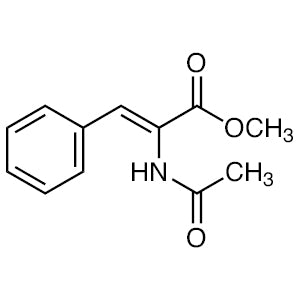
Methyl (Z)-2-Acetamido-3-phenylacrylate is a versatile organic compound widely used in laboratory settings for its ability to participate in various synthetic reactions. This compound is a key building block in the development of complex molecules, making it essential for researchers working in organic chemistry and pharmaceutical synthesis. Its molecular structure, featuring an acetyl amide group and a phenyl group attached to an acrylate backbone, allows it to act as a functionalized intermediate in multi-step reactions. This makes it a valuable tool for creating derivatives with specific chemical properties.
One of the main reasons this compound is preferred is its chemical stability and reactivity under different reaction conditions. It can be used in both acidic and basic environments, which enhances its utility in a wide range of synthetic pathways. Its ability to undergo substitution and coupling reactions makes it a reliable choice for chemists seeking to build complex molecular structures. Additionally, its predictable behavior in laboratory conditions ensures consistent results, which is crucial for scientific research.
In Indonesian laboratories, Methyl (Z)-2-Acetamido-3-phenylacrylate is commonly used in pharmaceutical research, polymer science, and materials development. Its availability in various packaging formats supports ease of handling and storage, making it a practical choice for both academic and industrial research institutions. Its role in creating advanced chemical compounds aligns with the growing demand for high-quality reagents in the region’s scientific community.
Related TCI products
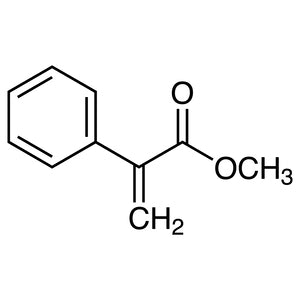
- TCI M3574 1865-29-8 Methyl 2-Phenylacrylate (stabilized with TBC)
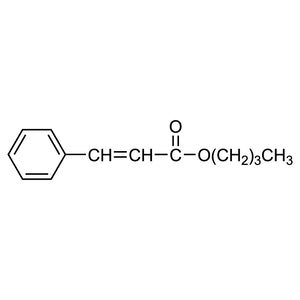
- TCI B6837 538-65-8 Butyl 3-Phenylacrylate
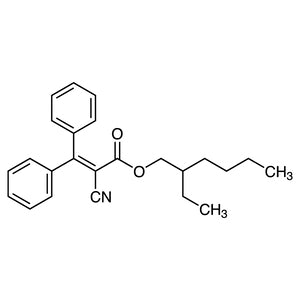
- TCI C0968 6197-30-4 2-Ethylhexyl 2-Cyano-3,3-diphenylacrylate
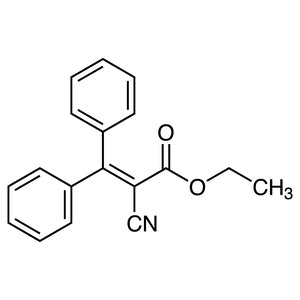
- TCI C0962 5232-99-5 Ethyl 2-Cyano-3,3-diphenylacrylate
- TCI A0073 588-23-8 4-Acetamido-2',3-dimethylazobenzene
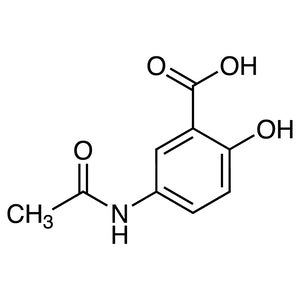
- TCI A3540 51-59-2 5-Acetamido-2-hydroxybenzoic Acid
- Pharmaceutical research utilizes this compound for synthesizing drug molecules due to its functional groups that can be modified to create bioactive compounds.
- Organic chemistry experiments benefit from its reactivity in coupling and substitution reactions, enabling the synthesis of complex organic structures.
- Polymer science applications leverage its acrylate functionality for creating functional polymers with tailored properties.
- Material development projects use it as a building block for creating advanced materials with specific chemical and physical characteristics.
- Academic research in chemistry relies on its versatility for teaching and exploring synthetic methodologies in undergraduate and graduate studies.
| Brand | TCI |
|---|---|
| CAS number | 60676-51-9 |
| Molecular formula | — |
| Purity | — |
| Category | Chemistry > Building Blocks > Non-Heterocyclic Building Blocks |
| Pack sizes | Available in various sizes to suit different laboratory needs |
| Physical form | Solid or liquid, depending on the specific formulation |
| Storage | Store in a cool, dry place away from direct sunlight and moisture |
This compound should be stored in a cool, dry environment, away from direct sunlight and moisture to maintain its chemical stability. It is recommended to use airtight containers made of glass or high-density polyethylene to prevent contamination and degradation. When handling, it is important to ensure proper ventilation and use appropriate personal protective equipment such as gloves and safety goggles. Due to its reactivity, it should be kept away from incompatible substances like strong acids or bases. Regular inspection of storage conditions is advised to ensure the integrity of the material remains intact for laboratory use.
—
Produk Terkait
-
Methyl2-Phenylacrylate(stabilizedwithTBC) TCI M3574
Regular price Rp 5.327.700,00Regular price -
Butyl3-Phenylacrylate TCI B6837
Regular price From Rp 955.500,00Regular price -
2-Ethylhexyl2-Cyano-3,3-diphenylacrylate TCI C0968
Regular price From Rp 769.650,00Regular price -
Ethyl2-Cyano-3,3-diphenylacrylate TCI C0962
Regular price From Rp 769.650,00Regular price -
4-Acetamido-2',3-dimethylazobenzene TCI A0073
Regular price Rp 2.625.000,00Regular price -
5-Acetamido-2-hydroxybenzoicAcid TCI A3540
Regular price Rp 4.559.100,00Regular price -
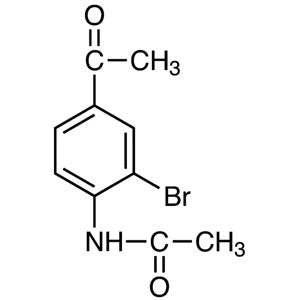
4'-Acetamido-3'-bromoacetophenone TCI A2852
Regular price Rp 1.167.600,00Regular price -
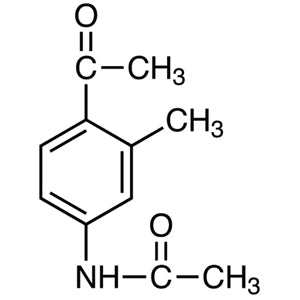
4'-Acetamido-2'-methylacetophenone TCI A2767
Regular price From Rp 1.140.300,00Regular price