4'-Acetamido-2'-methylacetophenone is a chemical compound widely used as a building block in the synthesis of complex organic molecules. This versatile reagent plays a crucial role in laboratory settings where the formation of carbon-carbon bonds or functional group transformations are required. Its structural simplicity and reactivity make it an essential tool for chemists working on the development of new compounds. In Indonesian laboratories, it is frequently employed in organic chemistry research, particularly in academic and research institutions, where its utility in creating complex molecular structures is highly valued.
The compound's unique properties, including the presence of an amide group and a ketone functional group, make it a preferred choice for a variety of chemical reactions. These functional groups enable it to participate in substitution, reduction, and functional group transformation reactions, making it adaptable to a wide range of synthetic strategies. Its stability under controlled conditions and reactivity in specific environments further enhance its appeal for laboratory use. The compound's chemical characteristics are well-suited for applications in drug development, industrial chemistry, and the synthesis of heterocyclic compounds.
In Indonesian laboratories, 4'-Acetamido-2'-methylacetophenone is a common reagent used in the synthesis of heterocyclic compounds, particularly in the development of pharmaceuticals. Its role in creating complex molecular structures with high precision and accuracy is critical in both academic and industrial research settings. The compound's availability and reliability make it an essential component in the chemical toolkit of Indonesian researchers.
- Organic synthesis of heterocyclic compounds for pharmaceutical development due to its functional group versatility and reactivity.
- Functional group transformation reactions in academic research settings requiring precise molecular modifications.
- Carbon-carbon bond formation in complex molecule synthesis, supporting the creation of new chemical entities.
- Drug development applications where the compound serves as a building block for novel therapeutic agents.
- Industrial chemical synthesis processes that require reliable and stable reagents for large-scale production.
| Brand | TCI |
|---|---|
| CAS number | 34956-31-5 |
| Molecular formula | — |
| Purity | — |
| Category | Chemistry > Building Blocks > Non-Heterocyclic Building Blocks |
| Pack sizes | Available in various quantities as per standard laboratory supply options |
| Physical form | Solid or liquid, depending on the specific product variant |
| Storage | Store in a cool, dry place away from direct sunlight and moisture |
This compound should be stored in a cool, dry environment, away from direct sunlight and moisture to maintain its chemical integrity. It is recommended to use airtight containers made of glass or high-density polyethylene to prevent contamination and degradation. In laboratory settings, proper ventilation should be ensured when handling the compound to minimize exposure. Avoid contact with incompatible substances such as strong acids or bases. Always wear appropriate personal protective equipment, including gloves and safety goggles, when handling or working with this material. Regular monitoring of storage conditions is essential to ensure the compound remains stable and suitable for use in chemical synthesis processes.
—
Produk Terkait
-
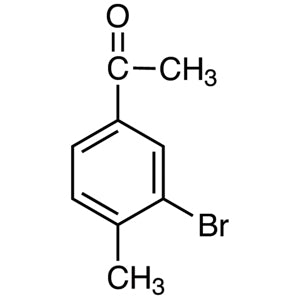
3'-Bromo-4'-methylacetophenone TCI B4758
Regular price From Rp 689.850,00Regular priceRp 497.700,00Sale price From Rp 689.850,00 -
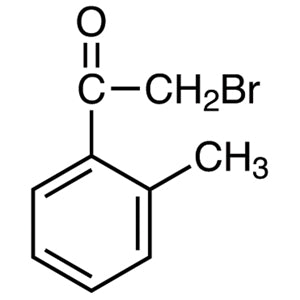
2-Bromo-2'-methylacetophenone TCI B4750
Regular price From Rp 900.900,00Regular priceRp 645.750,00Sale price From Rp 900.900,00 -
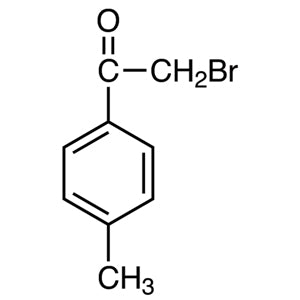
2-Bromo-4'-methylacetophenone TCI B2107
Regular price From Rp 1.272.600,00Regular priceRp 905.100,00Sale price From Rp 1.272.600,00 -
2',4',6'-Trimethylacetophenone TCI T1117
Regular price From Rp 795.900,00Regular priceRp 556.500,00Sale price From Rp 795.900,00 -
3'-Methylacetophenone TCI M0191
Regular price From Rp 2.041.200,00Regular priceRp 1.426.950,00Sale price From Rp 2.041.200,00 -
2'-Methylacetophenone TCI M0172
Regular price From Rp 1.829.100,00Regular priceRp 1.278.900,00Sale price From Rp 1.829.100,00 -
4'-Methylacetophenone TCI M0135
Regular price From Rp 477.750,00Regular priceRp 333.900,00Sale price From Rp 477.750,00 -
2'-Hydroxy-3',5'-dimethylacetophenone TCI H1569
Regular price From Rp 900.900,00Regular priceRp 645.750,00Sale price From Rp 900.900,00