Molybdenum(VI) Oxide (MoO₃), with CAS number 1313-27-5, is an inorganic compound widely used in chemical reactions and catalytic processes. It is a key material in laboratory settings due to its strong oxidizing properties and stable crystalline structure. This compound is essential for the synthesis of complex compounds and redox reactions, making it a versatile reagent in both academic and industrial research. Its ability to act as an effective oxidizing agent in reactive environments further enhances its applicability in various chemical processes.
The physical and chemical properties of MoO₃ make it a preferred choice for laboratory use. It exhibits high thermal stability and chemical resistance, allowing it to be used under a wide range of experimental conditions. Additionally, its capacity to form complexes with various metal ions contributes to its adaptability in different chemical applications. These characteristics ensure that MoO₃ remains a reliable and efficient material for both synthetic and analytical purposes in the laboratory.
In Indonesian laboratories, MoO₃ is commonly used in inorganic chemistry and catalysis research. It is a primary choice for oxidation and reduction reactions, as well as in the development of new materials and compounds. Its availability and consistent performance make it a standard reagent in both academic and industrial chemical laboratories across Indonesia.
TCI brochures (PDF)
- Metallic Salts 2025-11-06 · p. 6
- Transition Metal Catalysts 2026-04-10 · p. 6
- Inorganic synthesis reactions where strong oxidizing agents are required, MoO₃ is ideal due to its high oxidizing capacity and stability.
- Catalytic oxidation processes benefit from MoO₃’s ability to facilitate redox reactions efficiently under various conditions.
- Ceramic material development utilizes MoO₃ for its thermal stability and chemical resistance, enhancing the properties of the final product.
- Electrochemical studies often incorporate MoO₃ because of its ability to form stable complexes with metal ions, aiding in the analysis of electronic materials.
- Industrial coating applications rely on MoO₃ for its role in creating durable and functional surface treatments in chemical manufacturing.
| Brand | TCI |
|---|---|
| CAS number | 1313-27-5 |
| Molecular formula | — |
| Purity | — |
| Category | Chemistry > Catalysis and Inorganic Chemistry > Transition Elements |
| Pack sizes | Available in various quantities as per standard laboratory requirements |
| Physical form | Solid powder |
| Storage | Store in a cool, dry place away from moisture and incompatible substances |
MoO₃ should be stored in a cool, dry environment to maintain its stability and prevent degradation. It is recommended to use airtight containers to protect it from moisture and air exposure. Due to its oxidizing nature, it should be kept away from flammable materials and incompatible substances such as reducing agents. Laboratory personnel should handle MoO₃ with appropriate personal protective equipment, including gloves and safety goggles, to ensure safe handling. Regular inspection of storage conditions is advised to maintain the integrity of the material and ensure compliance with safety standards in the laboratory.
—
Produk Terkait
-
Bis(2,4-pentanedionato)molybdenum(VI)Dioxide TCI M0464
Regular price From Rp 1.378.650,00Regular priceRp 963.900,00Sale price From Rp 1.378.650,00 -
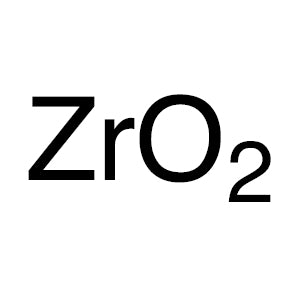
Zirconium(IV)Oxide TCI Z0049
Regular price From Rp 848.400,00Regular priceRp 593.250,00Sale price From Rp 848.400,00 -
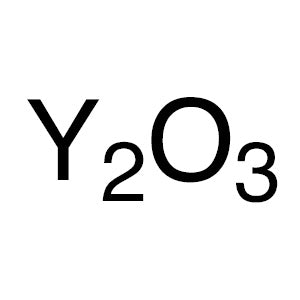
Yttrium(III)Oxide TCI Y0007
Regular price From Rp 1.008.000,00Regular priceRp 720.300,00Sale price From Rp 1.008.000,00 -
Vanadium(IV)Oxide TCI V0177
Regular price From Rp 1.803.900,00Regular priceRp 1.261.050,00Sale price From Rp 1.803.900,00 -
Vanadium(III)Oxide TCI V0170
Regular price From Rp 1.167.600,00Regular priceRp 815.850,00Sale price From Rp 1.167.600,00 -
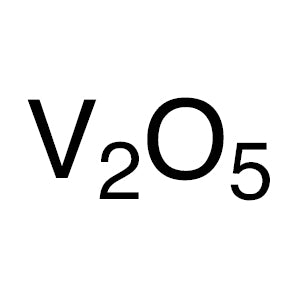
Vanadium(V)Oxide TCI V0169
Regular price From Rp 477.750,00Regular priceRp 333.900,00Sale price From Rp 477.750,00 -
Titanium(IV)Oxide,AEROXIDE(regR)P25 TCI T4118
Regular price Rp 1.220.100,00Regular priceRp 852.600,00Sale price Rp 1.220.100,00 -
Titanium(IV)Oxide,Rutile(999%,tracemetalsbasis) TCI T4019
Regular price From Rp 1.696.800,00Regular priceRp 1.186.500,00Sale price From Rp 1.696.800,00