


1-Methyl-1H-imidazol-1-ium Hydrogen Sulfate is a chemical compound classified under ionic liquids, widely used in laboratory settings for its unique properties and versatility. This material serves as a catalyst or reaction medium in various synthetic processes, enhancing reaction efficiency and selectivity. Its role in organic and inorganic chemistry is crucial, especially in reactions requiring specific solvation or catalytic environments. Due to its stability and reusability, it is a valuable asset in both research and industrial applications. Its ability to function as a solvent or catalyst makes it an essential component in modern chemical synthesis.
The compound is known for its excellent solubility in a wide range of organic solvents, which makes it highly adaptable for different experimental setups. Its high boiling point and non-volatile nature ensure that it remains stable under various reaction conditions, reducing the risk of evaporation during prolonged experiments. These properties make it a preferred choice for applications requiring a stable and reliable medium. Additionally, its ability to act as a catalyst in multiple reaction types further enhances its utility in chemical research.
In Indonesian laboratories, 1-Methyl-1H-imidazol-1-ium Hydrogen Sulfate is commonly used in academic and industrial research settings. It supports both educational and applied research, particularly in fields such as organic chemistry, catalysis, and materials science. Its stability and reusability make it a cost-effective and efficient option for laboratories conducting long-term experiments. Its widespread use in both teaching and research environments highlights its importance in the Indonesian scientific community.
TCI brochures (PDF)
- Ionic Liquids 2026-06-08 · p. 7
Related TCI products
- TCI M3120 827320-59-2 1-Methyl-3-(4-sulfobutyl)imidazolium Hydrogen Sulfate
- TCI B5569 262297-13-2 1-Butyl-3-methylimidazolium Hydrogen Sulfate
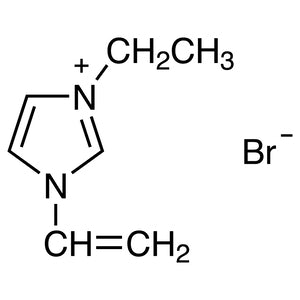
- TCI V0183 34311-88-1 3-Ethyl-1-vinyl-1H-imidazol-3-ium Bromide
- TCI B5103 179075-88-8 1-Butyl-3-methyl-1H-imidazol-3-ium Nitrate
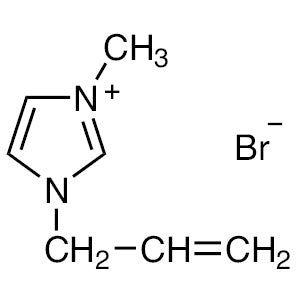
- TCI A2765 31410-07-8 1-Allyl-3-methyl-1H-imidazol-3-ium Bromide
- TCI M3446 856925-70-7 1-Methyl-3-[3-(trimethoxysilyl)propyl]-1H-imidazol-3-ium Chloride
- Organic synthesis reactions benefit from this ionic liquid due to its ability to act as a green and efficient catalyst, reducing the need for hazardous solvents and improving reaction yields.
- In inorganic chemistry, it serves as a medium for reactions requiring specific solvation effects, enhancing reactivity and selectivity in complex chemical systems.
- It is widely used in catalytic processes where non-volatility and stability are essential to maintain reaction conditions over extended periods.
- Educational laboratories utilize this compound to demonstrate catalytic mechanisms and solvent effects in undergraduate and graduate courses.
- Industrial research applications leverage its properties for developing sustainable chemical processes and improving reaction efficiency in large-scale synthesis.
| Brand | TCI |
|---|---|
| CAS number | 681281-87-8 |
| Molecular formula | — |
| Purity | — |
| Category | Chemistry > Specialty Synthesis > Ionic Liquids |
| Pack sizes | Available in various quantities as per standard laboratory supply options |
| Physical form | Solid powder |
| Storage | Store in a cool, dry place away from moisture and direct sunlight |
This ionic liquid should be stored in a cool, dry environment to maintain its stability and prevent degradation. It is recommended to use airtight containers to protect it from moisture and contaminants. Due to its non-volatile nature, it does not require special refrigeration but should be kept away from sources of heat. In laboratory settings, it is important to handle it with appropriate personal protective equipment to ensure safety. While it is generally stable, it is advisable to avoid prolonged exposure to high temperatures or direct sunlight. Proper storage ensures the longevity and effectiveness of the compound in experimental applications.
—
Produk Terkait
-
1-Methyl-3-(4-sulfobutyl)imidazoliumHydrogenSulfate TCI M3120
Regular price From Rp 3.048.150,00Regular priceRp 2.147.250,00Sale price From Rp 3.048.150,00 -
1-Butyl-3-methylimidazoliumHydrogenSulfate TCI B5569
Regular price From Rp 875.700,00Regular priceRp 627.900,00Sale price From Rp 875.700,00 -
3-Ethyl-1-vinyl-1H-imidazol-3-iumBromide TCI V0183
Regular price From Rp 1.033.200,00Regular priceRp 738.150,00Sale price From Rp 1.033.200,00 -
1-Butyl-3-methyl-1H-imidazol-3-iumNitrate TCI B5103
Regular price From Rp 1.431.150,00Regular priceRp 1.016.400,00Sale price From Rp 1.431.150,00 -
1-Allyl-3-methyl-1H-imidazol-3-iumBromide TCI A2765
Regular price From Rp 1.351.350,00Regular priceRp 960.750,00Sale price From Rp 1.351.350,00 -
1-Methyl-3-[3-(trimethoxysilyl)propyl]-1H-imidazol-3-iumChloride TCI M3446
Regular price From Rp 1.192.800,00Regular priceRp 849.450,00Sale price From Rp 1.192.800,00 -
1-Methyl-1H-imidazol-3-iumHexafluorophosphate TCI M3211
Regular price From Rp 1.934.100,00Regular priceRp 1.368.150,00Sale price From Rp 1.934.100,00 -
3-Hexadecyl-1-methyl-1H-imidazol-3-iumBromide TCI H1801
Regular price Rp 2.914.800,00Regular priceRp 2.053.800,00Sale price Rp 2.914.800,00




![TCI M3446 856925-70-7 1-Methyl-3-[3-(trimethoxysilyl)propyl]-1H-imidazol-3-ium Chloride](http://amiscientific.com/cdn/shop/files/TCI2510M3446_f2345967-cfd4-4e5b-bc28-eaaa648abafb.jpg?v=1792649734&width=533)
![856925-70-7 1-Methyl-3-[3-(trimethoxysilyl)propyl]-1H-imidazol-3-ium Chloride - AMI Scientific](http://amiscientific.com/cdn/shop/files/TCI2510M3446.jpg?v=1768205891&width=533)

