3-(4-Methoxyphenyl)-1-phenyl-1H-pyrazole-4-carbaldehyde is a chemical compound used as a foundational building block in the synthesis of heterocyclic compounds. This compound plays a crucial role in laboratory settings where the creation of complex molecular structures is required. Its unique chemical structure makes it an essential tool for chemists working on the development of new compounds with specific biological activities. The compound is widely utilized in organic chemistry and pharmacological research due to its versatility in chemical reactions.
The compound's stability under certain conditions and its reactivity with various reagents such as acids, bases, and organic solvents make it a preferred choice for synthetic applications. Its ability to participate in substitution and condensation reactions enhances its utility in the preparation of pyrazole-based derivatives. The presence of methoxy and phenyl groups further contributes to its chemical versatility, allowing it to be modified into a wide range of bioactive molecules. This makes it a valuable resource for researchers aiming to develop new therapeutic agents.
In Indonesian laboratories, this compound is commonly used in applied research, particularly in the development of pharmaceuticals and bioactive compounds. Its availability in practical packaging formats facilitates its use in both academic and industrial research settings. Researchers often rely on this compound as a starting material for synthesizing compounds with antitumor or anti-inflammatory properties. Its consistent quality and reliable performance make it a trusted choice for laboratory applications in Indonesia.
Related TCI products
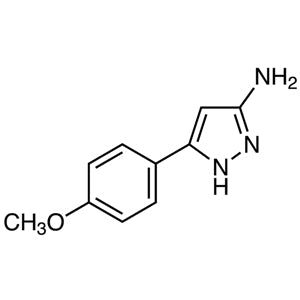
- TCI A2953 19541-95-8 3-Amino-5-(4-methoxyphenyl)pyrazole
- TCI M2902 199682-73-0 3-(4-Methoxyphenyl)pyrazole-4-carboxaldehyde
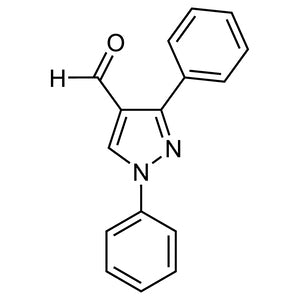
- TCI D6398 21487-45-6 1,3-Diphenyl-1H-pyrazole-4-carbaldehyde
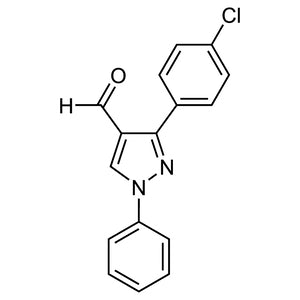
- TCI C4069 36663-00-0 3-(4-Chlorophenyl)-1-phenyl-1H-pyrazole-4-carbaldehyde
- TCI T2480 932-95-6 Thiophene-2,5-dicarbaldehyde
- TCI B5403 6639-57-2 1,3-Benzothiazole-2-carbaldehyde
- Used in the synthesis of pyrazole derivatives due to its structural complexity and reactivity, enabling the creation of bioactive compounds.
- Applied in pharmaceutical research for the development of new drugs with antitumor and anti-inflammatory properties.
- Utilized in organic chemistry experiments for the preparation of heterocyclic compounds through substitution and condensation reactions.
- Employed in medicinal chemistry studies to explore the potential of heterocyclic structures in drug design and development.
- Integrated into research projects focused on the modification of aromatic rings to enhance molecular activity and selectivity.
| Brand | TCI |
|---|---|
| CAS number | 36640-42-3 |
| Molecular formula | — |
| Purity | — |
| Category | Chemistry > Building Blocks > Heterocyclic Building Blocks |
| Pack sizes | Available in various quantities as per standard laboratory supply formats |
| Physical form | Solid or liquid, depending on the specific formulation |
| Storage | Store in a cool, dry place away from light and moisture |
This compound should be stored in a cool, dry environment, away from direct sunlight and moisture to maintain its chemical integrity. It is recommended to use airtight containers made of glass or high-density polyethylene to prevent contamination and degradation. Due to its potential reactivity with certain reagents, it should be handled with appropriate personal protective equipment, including gloves and safety goggles. In laboratory settings, it should be stored separately from strong acids and bases to avoid unintended chemical interactions. Proper labeling and storage conditions are essential to ensure safe handling and long-term stability of the compound.
—
Produk Terkait
-
3-Amino-5-(4-methoxyphenyl)pyrazole TCI A2953
Regular price From Rp 1.113.000,00Regular priceRp 793.800,00Sale price From Rp 1.113.000,00 -
3-(4-Methoxyphenyl)pyrazole-4-carboxaldehyde TCI M2902
Regular price From Rp 1.351.350,00Regular priceRp 960.750,00Sale price From Rp 1.351.350,00 -
1,3-Diphenyl-1H-pyrazole-4-carbaldehyde TCI D6398
Regular price From Rp 1.140.300,00Regular priceRp 812.700,00Sale price From Rp 1.140.300,00 -
3-(4-Chlorophenyl)-1-phenyl-1H-pyrazole-4-carbaldehyde TCI C4069
Regular price From Rp 1.405.950,00Regular priceRp 998.550,00Sale price From Rp 1.405.950,00 -
Thiophene-2,5-dicarbaldehyde TCI T2480
Regular price From Rp 1.696.800,00Regular priceRp 1.202.250,00Sale price From Rp 1.696.800,00 -
1,3-Benzothiazole-2-carbaldehyde TCI B5403
Regular price From Rp 1.510.950,00Regular priceRp 1.072.050,00Sale price From Rp 1.510.950,00 -
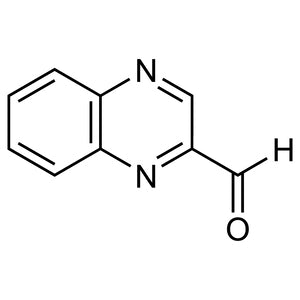
Quinoxaline-2-carbaldehyde TCI Q0121
Regular price From Rp 928.200,00Regular priceRp 664.650,00Sale price From Rp 928.200,00