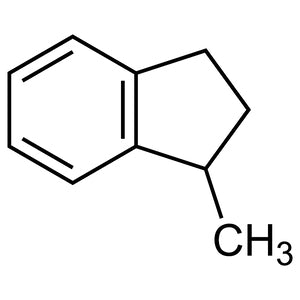
TCI M3865 is 1-Methyl-2,3-dihydro-1H-indene, more commonly known as 1-methylindane, a bicyclic hydrocarbon consisting of a benzene ring fused to a saturated cyclopentane ring and carrying a methyl group at the benzylic carbon. The compound belongs to the non-heterocyclic building block class and serves in the laboratory as a model substrate, an analytical reference material, and a starting scaffold for the synthesis of indane derivatives. Because the indane framework appears widely in active compounds and fragrance materials, having a starting material that already carries the methyl branch shortens the synthetic route a researcher must travel.
The characteristic that makes this compound a preferred choice is the presence of a tertiary benzylic carbon bearing a methyl group. This position is the most reactive site toward radical hydrogen abstraction and oxidation, which makes the compound a highly informative test substrate for evaluating the selectivity of oxidation catalysts and controlled radical reactions. That same carbon is also a stereogenic center, which makes the molecule of interest for enantiomer separation studies, chiral chromatography, and asymmetric catalysis. The fused cyclopentane ring contributes conformational rigidity, so the structure behaves predictably as a reference framework.
In Indonesian laboratories, 1-methylindane is typically employed in university and institutional research settings working on organic synthesis, catalysis, and analytical method development. It supports work in which a well-defined hydrocarbon scaffold is required as a substrate or comparison standard, whether for developing selective oxidation chemistry, preparing indane-based derivatives, or establishing chromatographic methods. Its role is that of a versatile intermediate rather than a finished product, supplied for research and laboratory-scale synthetic use.
Related TCI products
- Oxidation catalyst selectivity testing, where the reactive tertiary benzylic carbon provides a clear, single preferred site for probing how selectively a catalyst operates.
- Controlled radical reaction studies, since the benzylic C–H bond undergoes hydrogen abstraction readily and makes reaction outcomes informative and easy to interpret analytically.
- Synthesis of indane derivatives, because the scaffold already carries the methyl branch and therefore shortens the number of synthetic steps required by researchers.
- Chiral chromatography method development, as the stereogenic benzylic carbon makes this molecule a useful subject for evaluating enantiomer separation on chiral stationary phases.
- Asymmetric catalysis research, where the existing stereogenic center allows investigators to study stereochemical control and enantioselectivity within a rigid bicyclic framework.
| Brand | TCI |
|---|---|
| CAS number | 767-58-8 |
| Molecular formula | — |
| Purity | — |
| Category | Chemistry > Building Blocks > Non-Heterocyclic Building Blocks |
| Pack sizes | available in standard TCI laboratory pack sizes; please confirm the currently offered packaging |
| Physical form | — |
| Storage | store in a cool, well-ventilated place in a tightly closed container |
- Chemical name: 1-Methyl-2,3-dihydro-1H-indene (1-methylindane)
Store the material in a cool, dry, and well-ventilated area, away from heat sources, open flames, and direct sunlight. Keep the container tightly closed at all times to limit evaporation and contamination, and use the original supplier container or a chemically compatible glass container fitted with a secure, solvent-resistant closure. As an organic hydrocarbon, it should be kept away from strong oxidizing agents. Handle inside a fume hood, wear safety goggles, a laboratory coat, and suitable chemical-resistant gloves, and avoid inhaling vapours or allowing contact with skin and eyes. Ground containers where appropriate when transferring, dispose of residues through authorized chemical waste channels, and always consult the manufacturer's Safety Data Sheet before use.
—
Produk Terkait
-
(mixtureof1H-and3H-form) TCI M1425
Regular price From Rp 3.287.550,00Regular price -
Indene TCI I0354
Regular price Rp 2.942.100,00Regular price -
Indene TCI I0016
Regular price From Rp 530.250,00Regular price -
5,10-Dihydroindeno[2,1-a]indene TCI D3191
Regular price Rp 4.347.000,00Regular price -
Methyl1-Oxo-2,3-dihydro-1H-indene-2-carboxylate TCI M3689
Regular price Rp 3.843.000,00Regular price -
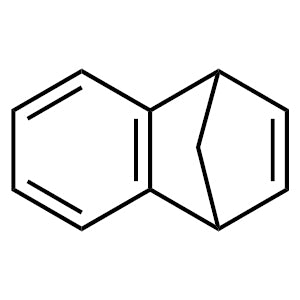
1,4-Dihydro-1,4-methanonaphthalene TCI D5848
Regular price Rp 5.300.400,00Regular price -
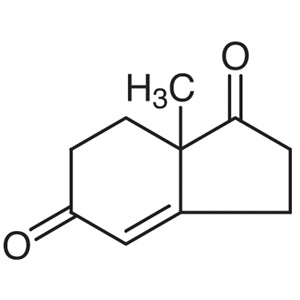
2,3,7,7a-Tetrahydro-7a-methyl-1H-indene-1,5(6H)-dione TCI T2635
Regular price From Rp 2.306.850,00Regular price -
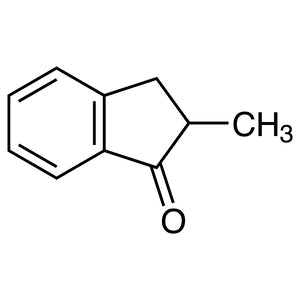
2-Methyl-2,3-dihydro-1H-inden-1-one TCI M3681
Regular price From Rp 1.696.800,00Regular price
![2-Methylbenzo[e]indene (mixture of 1H- and 3H-form) - AMI Scientific](http://amiscientific.com/cdn/shop/files/TCI2510M1425.jpg?v=1767124955&width=533)


![5,10-Dihydroindeno[2,1-a]indene (CAS 6543-29-9) - TCI D3191 - AMI Scientific](http://amiscientific.com/cdn/shop/files/TCI2510D3191.jpg?v=1767105768&width=533)