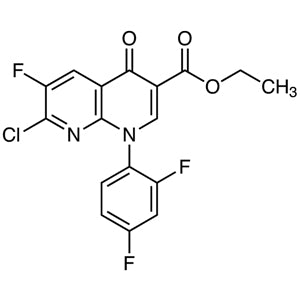
TCI M3689 22955-77-7 Methyl 1-Oxo-2,3-dihydro-1H-indene-2-carboxylate is a chemical compound widely used in organic laboratory settings for its versatility in synthetic reactions. This compound serves as a key building block in the synthesis of more complex organic molecules, offering researchers a reliable and effective starting material. It is particularly valuable in applications requiring precise chemical transformations due to its reactivity and compatibility with various functional groups. Its role in organic chemistry is essential for the development of new compounds and materials in both academic and industrial research environments.
The compound is known for its stable molecular structure and high reactivity, making it a preferred choice among chemists. Its ability to participate in esterification, reduction, and substitution reactions allows for a wide range of synthetic possibilities. The chemical properties of this compound ensure that it can be manipulated under controlled conditions, providing consistent results in laboratory experiments. These characteristics make it a valuable tool for chemists aiming to achieve high precision and reproducibility in their work.
In Indonesian laboratories, this compound is commonly used in organic chemistry research, especially in the synthesis of heterocyclic and aromatic compounds. It is also utilized in educational settings to teach fundamental concepts of chemical reactions and molecular synthesis. Its reliability and effectiveness make it a staple in both research and teaching environments across Indonesia.
Related TCI products
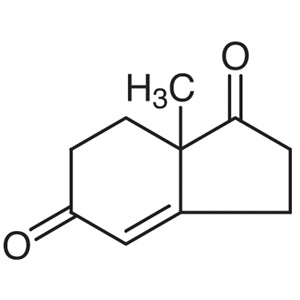
- TCI T2635 19576-08-0 2,3,7,7a-Tetrahydro-7a-methyl-1H-indene-1,5(6H)-dione
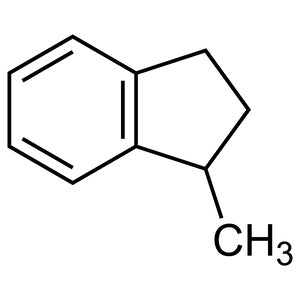
- TCI M3865 767-58-8 1-Methyl-2,3-dihydro-1H-indene
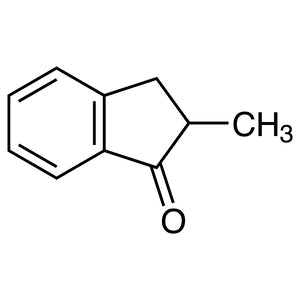
- TCI M3681 17496-14-9 2-Methyl-2,3-dihydro-1H-inden-1-one
- TCI D5751 17283-81-7 Dihydro-beta-ionone
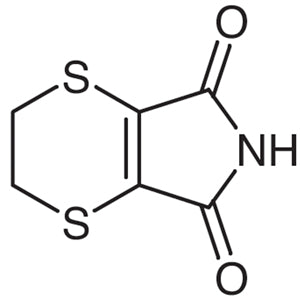
- TCI D2574 24519-85-5 5,6-Dihydro-1,4-dithiin-2,3-dicarboximide
- TCI M3923 1175365-43-1 Methyl 1-Acetyl-3-(ethoxyphenylmethylene)-2,3-dihydro-2-oxo-1H-indole-6-carboxylate
- Organic synthesis of heterocyclic compounds due to its reactivity and compatibility with functional groups.
- Esterification reactions where it acts as a versatile intermediate for forming ester linkages.
- Reduction reactions where its molecular structure allows for controlled chemical transformations.
- Substitution reactions in which it serves as a precursor for the synthesis of more complex molecules.
- Educational experiments to demonstrate the principles of chemical synthesis and molecular structure.
| Brand | TCI |
|---|---|
| CAS number | 22955-77-7 |
| Molecular formula | — |
| Purity | — |
| Category | Chemistry > Building Blocks > Non-Heterocyclic Building Blocks |
| Pack sizes | Available in standard laboratory quantities as per supplier specifications |
| Physical form | Solid or liquid, depending on the specific formulation |
| Storage | Store in a cool, dry place away from direct sunlight and incompatible materials |
This compound should be stored in a cool, dry environment to maintain its stability and reactivity. It is recommended to use airtight containers to prevent exposure to moisture and air, which could affect its chemical integrity. Proper ventilation should be ensured in the laboratory when handling this material to minimize potential exposure. Due to its reactivity, it should be kept away from strong oxidizing agents and incompatible substances. Always follow standard laboratory safety protocols when working with this compound to ensure safe handling and storage practices.
—
Produk Terkait
-
2,3,7,7a-Tetrahydro-7a-methyl-1H-indene-1,5(6H)-dione TCI T2635
Regular price From Rp 2.306.850,00Regular price -
1-Methyl-2,3-dihydro-1H-indene TCI M3865
Regular price Rp 9.514.050,00Regular price -
2-Methyl-2,3-dihydro-1H-inden-1-one TCI M3681
Regular price From Rp 1.696.800,00Regular price -
Dihydro-beta-ionone TCI D5751
Regular price From Rp 1.485.750,00Regular price -
5,6-Dihydro-1,4-dithiin-2,3-dicarboximide TCI D2574
Regular price Rp 1.670.550,00Regular price -
Methyl1-Acetyl-3-(ethoxyphenylmethylene)-2,3-dihydro-2-oxo-1H-indole-6-carboxylate TCI M3923
Regular price Rp 4.771.200,00Regular price -
Ethane-1,2-diylBis(1,3-dihydro-1,3-dioxoisobenzofuran-5-carboxylate) TCI E1413
Regular price From Rp 2.650.200,00Regular price -
Ethyl7-Chloro-1-(2,4-difluorophenyl)-6-fluoro-4-oxo-1,4-dihydro-1,8-naphthyridine-3-carboxylate TCI E1180
Regular price From Rp 875.700,00Regular price