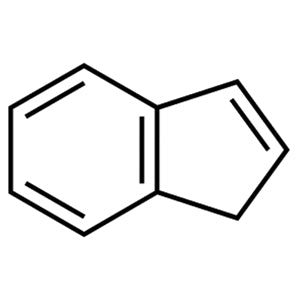
Indene (CAS 95-13-6) is an organic compound classified under the category of non-heterocyclic building blocks. It plays a crucial role in chemical synthesis as a foundational material for the creation of more complex compounds. In laboratory settings, indene is widely used as a key building block in various chemical reactions, particularly in the formation of aromatic and heterocyclic compounds. Its versatility and reactivity make it an essential component for researchers working in organic chemistry, pharmaceutical development, and industrial chemical applications.
Indene is valued for its stable molecular structure and reactive properties, which enable it to participate in a range of chemical reactions such as substitution, addition, and polymerization. These characteristics make it highly desirable in chemical research due to its reliability and adaptability in different experimental contexts. Additionally, indene exhibits relatively stable boiling and melting points, which facilitate its handling and storage in laboratory environments. Its consistent performance and predictable behavior contribute to its popularity among scientists and researchers.
In Indonesian laboratories, indene is commonly utilized in both fundamental and applied chemical research. It is a preferred choice due to its availability, cost-effectiveness, and effectiveness in various chemical processes. Local researchers appreciate its quality and reliability, making it a staple in chemical synthesis and experimentation. Its widespread use underscores its importance in the scientific community and its value in advancing chemical research in Indonesia.
TCI brochures (PDF)
- Ligands 2025-12-01 · p. 19
Related TCI products
- TCI M1425 2-Methylbenzo[e]indene (mixture of 1H- and 3H-form)
- TCI I0016 95-13-6 Indene
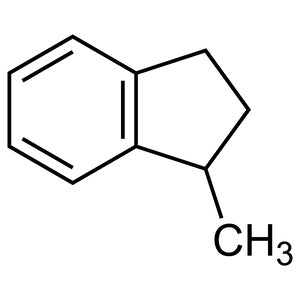
- TCI M3865 767-58-8 1-Methyl-2,3-dihydro-1H-indene
- TCI D3191 6543-29-9 5,10-Dihydroindeno[2,1-a]indene
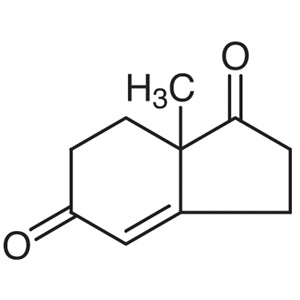
- TCI T2635 19576-08-0 2,3,7,7a-Tetrahydro-7a-methyl-1H-indene-1,5(6H)-dione
- TCI M3689 22955-77-7 Methyl 1-Oxo-2,3-dihydro-1H-indene-2-carboxylate
- Organic synthesis applications benefit from indene's role as a versatile building block for creating complex aromatic and heterocyclic compounds.
- Pharmaceutical research utilizes indene in the development of new drug compounds due to its reactivity and structural adaptability.
- Industrial chemical processes incorporate indene for its ability to participate in polymerization and substitution reactions, enhancing product diversity.
- Analytical chemistry experiments use indene as a reference standard for identifying and quantifying organic compounds in various samples.
- Environmental studies employ indene to investigate the behavior and degradation of organic pollutants in different ecosystems.
| Brand | TCI |
|---|---|
| CAS number | 95-13-6 |
| Molecular formula | — |
| Purity | — |
| Category | Chemistry > Building Blocks > Non-Heterocyclic Building Blocks |
| Pack sizes | Available in various quantities as per standard laboratory supply sizes |
| Physical form | Liquid |
| Storage | Store in a cool, dry place away from direct sunlight and incompatible materials |
Indene should be stored in a cool, dry environment to maintain its stability and prevent degradation. It is recommended to use airtight containers made of materials compatible with organic solvents to avoid contamination and evaporation. Due to its reactive nature, indene should be kept away from strong oxidizing agents and incompatible substances. Proper ventilation is essential when handling indene to minimize exposure to vapors. Laboratory personnel should wear appropriate personal protective equipment, such as gloves and safety goggles, when working with this compound. Regular monitoring of storage conditions ensures the integrity and safety of the material during handling and use.
—
Produk Terkait
-
(mixtureof1H-and3H-form) TCI M1425
Regular price From Rp 3.287.550,00Regular price -
Indene TCI I0016
Regular price From Rp 530.250,00Regular price -
1-Methyl-2,3-dihydro-1H-indene TCI M3865
Regular price Rp 9.514.050,00Regular price -
5,10-Dihydroindeno[2,1-a]indene TCI D3191
Regular price Rp 4.347.000,00Regular price -
2,3,7,7a-Tetrahydro-7a-methyl-1H-indene-1,5(6H)-dione TCI T2635
Regular price From Rp 2.306.850,00Regular price -
Methyl1-Oxo-2,3-dihydro-1H-indene-2-carboxylate TCI M3689
Regular price Rp 3.843.000,00Regular price -
Acenaphthylene TCI A0005
Regular price From Rp 769.650,00Regular price -
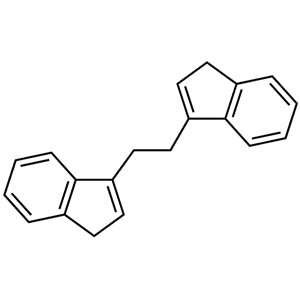
1,2-Bis(3-indenyl)ethane TCI B2281
Regular price From Rp 1.035.300,00Regular price
![2-Methylbenzo[e]indene (mixture of 1H- and 3H-form) - AMI Scientific](http://amiscientific.com/cdn/shop/files/TCI2510M1425.jpg?v=1767124955&width=533)

![5,10-Dihydroindeno[2,1-a]indene (CAS 6543-29-9) - TCI D3191 - AMI Scientific](http://amiscientific.com/cdn/shop/files/TCI2510D3191.jpg?v=1767105768&width=533)