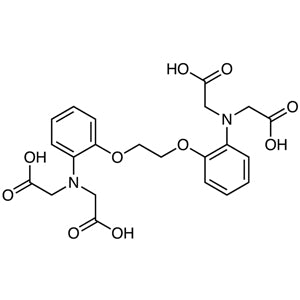
1,2-Bis(3-indenyl)ethane is a chemical compound widely used in organic reactions as a building block in laboratory settings. It serves as a versatile intermediate in the synthesis of complex organic molecules, particularly those involving heterocyclic structures. This compound is commonly utilized in research aimed at developing new materials and pharmaceutical compounds due to its structural adaptability. Its role in the laboratory is critical for chemists seeking to create novel chemical entities through controlled synthetic pathways.
The compound's stability and controlled reactivity make it a preferred choice for various chemical applications. Its molecular structure allows for participation in substitution, addition, and cyclic reactions, providing chemists with a reliable tool for modifying molecular frameworks. The compound's ability to interact with a range of reagents enhances its utility in diverse synthetic strategies. These properties make it a valuable resource for researchers working on complex organic synthesis.
In Indonesian laboratories, 1,2-Bis(3-indenyl)ethane is frequently used in the synthesis of heterocyclic compounds and other complex structures. It plays a key role in pharmaceutical research, where the development of new drugs often requires the creation of intricate molecular architectures. Its presence in such research underscores its importance in advancing chemical innovation in the region.
TCI brochures (PDF)
- Ligands 2025-12-01 · p. 19
Related TCI products
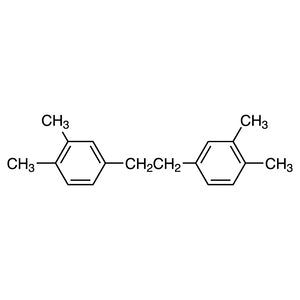
- TCI B1851 34101-86-5 1,2-Bis(3,4-dimethylphenyl)ethane
- TCI D4371 15374-45-5 1,2-Di(1-naphthyl)ethane
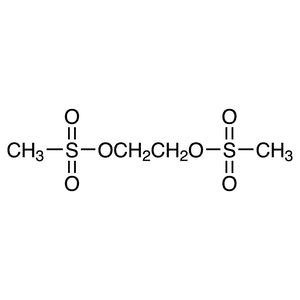
- TCI E1535 4672-49-5 Ethane-1,2-diyl Dimethanesulfonate
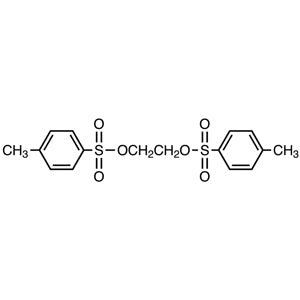
- TCI E0438 6315-52-2 1,2-Bis(tosyloxy)ethane
- TCI T2845 126150-97-8 Tetrakis(acetoxymethyl) 1,2-Bis(2-aminophenoxy)ethane-N,N,N',N'-tetraacetate
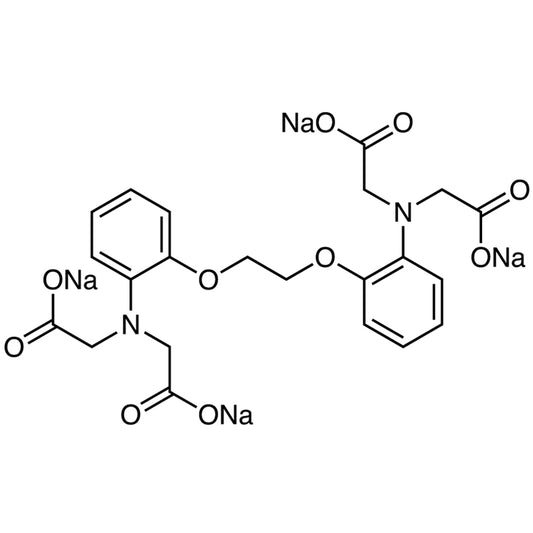
- TCI T2844 126824-24-6 Tetrasodium 1,2-Bis(2-aminophenoxy)ethane-N,N,N',N'-tetraacetate
- Organic synthesis of heterocyclic compounds due to its structural versatility and reactivity.
- Development of pharmaceutical compounds through controlled chemical modifications.
- Creation of complex molecular frameworks for material science research applications.
- Facilitation of cyclic and substitution reactions in synthetic chemistry experiments.
- Support for the synthesis of compounds with potential pharmacological applications.
| Brand | TCI |
|---|---|
| CAS number | 18657-57-3 |
| Molecular formula | — |
| Purity | — |
| Category | Chemistry > Building Blocks > Non-Heterocyclic Building Blocks |
| Pack sizes | — |
| Physical form | — |
| Storage | Store in a cool, dry place away from light and incompatible materials. |
This compound should be stored in a cool, dry place, away from direct sunlight and sources of heat. It is recommended to use airtight containers to prevent exposure to moisture and air. Proper ventilation should be maintained in the laboratory to minimize inhalation risks. Avoid contact with incompatible substances such as strong oxidizing agents. Always use appropriate personal protective equipment, including gloves and safety goggles, when handling this material. Ensure that storage areas are well-ventilated and free from potential ignition sources to maintain a safe working environment.
—
Produk Terkait
-
1,2-Bis(3,4-dimethylphenyl)ethane TCI B1851
Regular price Rp 1.167.600,00Regular priceRp 815.850,00Sale price Rp 1.167.600,00 -
1,2-Di(1-naphthyl)ethane TCI D4371
Regular price From Rp 1.431.150,00Regular priceRp 1.000.650,00Sale price From Rp 1.431.150,00 -
Ethane-1,2-diylDimethanesulfonate TCI E1535
Regular price From Rp 3.392.550,00Regular priceRp 2.387.700,00Sale price From Rp 3.392.550,00 -
1,2-Bis(tosyloxy)ethane TCI E0438
Regular price From Rp 2.837.100,00Regular priceRp 1.983.450,00Sale price From Rp 2.837.100,00 -
Tetrakis(acetoxymethyl)1,2-Bis(2-aminophenoxy)ethane-N,N,N',N'-tetraacetate TCI T2845
Regular price From Rp 1.590.750,00Regular priceRp 1.127.700,00Sale price From Rp 1.590.750,00 -
Tetrasodium1,2-Bis(2-aminophenoxy)ethane-N,N,N',N'-tetraacetate TCI T2844
Regular price From Rp 1.458.450,00Regular priceRp 1.035.300,00Sale price From Rp 1.458.450,00 -
TCI T2450 1,1,1-Tris[4-(per-O-methyl-alpha-cyclodextrin-6-yloxy)phenyl]ethane
Regular price Rp 5.910.450,00Regular priceRp 4.148.550,00Sale price Rp 5.910.450,00 -
1,2-Bis(2-aminophenoxy)ethane-N,N,N',N'-tetraaceticAcid TCI B3895
Regular price From Rp 1.060.500,00Regular priceRp 757.050,00Sale price From Rp 1.060.500,00