


1,2-Bis(3,4-dimethylphenyl)ethane is a chemical compound widely used as a building block in organic synthesis. This versatile molecule plays a crucial role in the development of complex chemical structures by serving as a foundational element in various synthetic pathways. Its molecular structure allows for multiple functional group modifications, making it an essential tool for chemists working on advanced molecular design. In laboratory settings, this compound is frequently employed to create intermediates for pharmaceutical and industrial applications, contributing to the advancement of chemical research.
The compound is valued for its chemical stability and controlled reactivity, which enable precise manipulation during synthetic processes. Its high purity and solid form ensure consistent performance in laboratory experiments, reducing variability and enhancing reproducibility. Additionally, the compound’s ability to participate in substitution, addition, and cross-coupling reactions expands its utility across a wide range of chemical transformations. These properties make it a preferred choice for researchers aiming to achieve reliable and reproducible results.
In Indonesian laboratories, 1,2-Bis(3,4-dimethylphenyl)ethane is commonly used in organic chemistry research, particularly in the synthesis of aromatic compounds and complex molecules. Its availability in high purity and solid form makes it a practical and reliable option for both academic and industrial research. It is also utilized in the development of pharmaceuticals and specialty chemicals, supporting innovation in various scientific fields.
Related TCI products
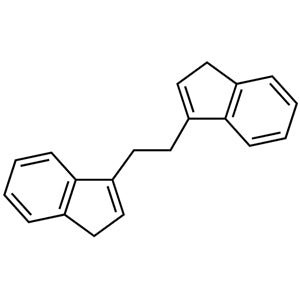
- TCI B2281 18657-57-3 1,2-Bis(3-indenyl)ethane
- TCI D4371 15374-45-5 1,2-Di(1-naphthyl)ethane
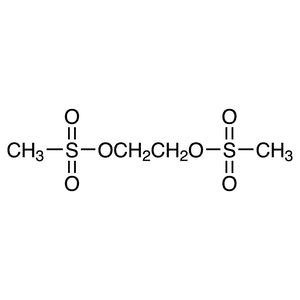
- TCI E1535 4672-49-5 Ethane-1,2-diyl Dimethanesulfonate
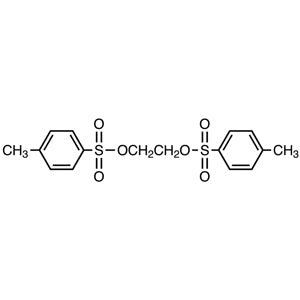
- TCI E0438 6315-52-2 1,2-Bis(tosyloxy)ethane
- TCI A2982 661489-23-2 (E)-3-(4-Amino-3,5-dimethylphenyl)acrylonitrile Hydrochloride
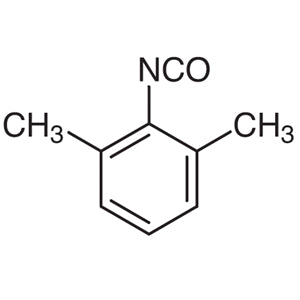
- TCI I0410 28556-81-2 2,6-Dimethylphenyl Isocyanate
- Synthesis of aromatic compounds: This compound is ideal for creating complex aromatic structures due to its stable molecular framework and reactivity.
- Development of pharmaceutical intermediates: Its ability to undergo various chemical reactions makes it suitable for the synthesis of drug-related compounds.
- Organic chemistry research: It serves as a fundamental building block for constructing diverse molecular architectures in experimental studies.
- Industrial chemical production: The compound’s versatility supports the creation of specialty chemicals used in multiple industries.
- Cross-coupling reactions: Its molecular structure allows for efficient participation in cross-coupling processes, enhancing synthetic flexibility.
| Brand | TCI |
|---|---|
| CAS number | 34101-86-5 |
| Molecular formula | — |
| Purity | — |
| Category | Chemistry > Building Blocks > Non-Heterocyclic Building Blocks |
| Pack sizes | Available in various quantities as per standard laboratory requirements |
| Physical form | Solid |
| Storage | Store in a cool, dry place away from direct sunlight |
This compound should be stored in a cool, dry environment, away from direct sunlight and sources of heat. It is recommended to use airtight containers to prevent moisture absorption and contamination. Due to its chemical stability, it does not require refrigeration but should be kept in a secure location to avoid accidental exposure. General laboratory precautions include handling with care to prevent spills and ensuring proper ventilation when working with the compound. Always follow standard safety protocols to maintain a safe working environment.
—
Produk Terkait
-
1,2-Bis(3-indenyl)ethane TCI B2281
Regular price From Rp 1.035.300,00Regular priceRp 723.450,00Sale price From Rp 1.035.300,00 -
1,2-Di(1-naphthyl)ethane TCI D4371
Regular price From Rp 1.431.150,00Regular priceRp 1.000.650,00Sale price From Rp 1.431.150,00 -
Ethane-1,2-diylDimethanesulfonate TCI E1535
Regular price From Rp 3.392.550,00Regular priceRp 2.387.700,00Sale price From Rp 3.392.550,00 -
1,2-Bis(tosyloxy)ethane TCI E0438
Regular price From Rp 2.837.100,00Regular priceRp 1.983.450,00Sale price From Rp 2.837.100,00 -
(E)-3-(4-Amino-3,5-dimethylphenyl)acrylonitrileHydrochloride TCI A2982
Regular price Rp 2.227.050,00Regular priceRp 1.572.900,00Sale price Rp 2.227.050,00 -
2,6-DimethylphenylIsocyanate TCI I0410
Regular price From Rp 2.306.850,00Regular priceRp 1.612.800,00Sale price From Rp 2.306.850,00 -
1-(3,4-Dimethylphenyl)ethan-1-one TCI D6399
Regular price From Rp 1.353.450,00Regular priceRp 946.050,00Sale price From Rp 1.353.450,00 -
[(2,6-Dimethylphenyl)amino](oxo)aceticAcid TCI D4265
Regular price From Rp 4.425.750,00Regular priceRp 3.110.100,00Sale price From Rp 4.425.750,00








acetic Acid](http://amiscientific.com/cdn/shop/files/TCI2510D4265_208ab1ec-4569-49d8-b9cd-1e6bf7bafbc5.jpg?v=1792639253&width=533)
acetic Acid (CAS 2903-48-2) - TCI D4265 - AMI Scientific](http://amiscientific.com/cdn/shop/files/TCI2510D4265.jpg?v=1767107338&width=533)